
Here's what nobody tells you about mismatched desire
One of you wants sex twice a week. The other wants it twice a month. Or maybe you want it in the morning; your partner only feels like it at night. These gaps don't mean the relationship is broken. They mean you're human. But they do create a specific kind of friction. The person with lower desire starts feeling pressured. The person with higher desire starts feeling rejected. Both of you end up resentful, even though neither of you is doing anything wrong.
This is where most couples get stuck. They try compromise (which often leaves both people unsatisfied), or they avoid the conversation entirely (which makes it worse). But there's a third option that actually works. And it doesn't require either of you to change your baseline desire.
Why desire mismatch feels like a relationship problem
Desire mismatch isn't actually about sex. It's about feeling wanted and feeling safe. When your partner initiates more than you do, their initiation starts to feel like a demand. Your nervous system goes on alert. You end up declining more often, which makes your partner feel rejected, which makes them initiate more to reassure themselves you still care. The cycle feeds itself.
Meanwhile, the higher-desire partner interprets every decline as a personal rejection, even when it's just about timing or energy. They start to wonder if their partner finds them attractive. They stop feeling desired. Both of you lose the sense of ease that makes sex actually good.
Here's the key insight. The mismatch itself isn't the problem. The pressure around it is.
How a clitoral vibrator changes the dynamic
When one partner uses a lemon sexual toy like the Lem, the frame shifts completely. Suddenly, pleasure isn't something that requires negotiation between you. One person can explore their own satisfaction independently, which means the lower-desire partner isn't managing anyone else's sexual needs. And the higher-desire partner gets to engage with their own pleasure without waiting for their partner's readiness.
This sounds like it would create distance. In practice, it creates the opposite. When pleasure stops being something you have to provide each other, it becomes something you might actually want to share.
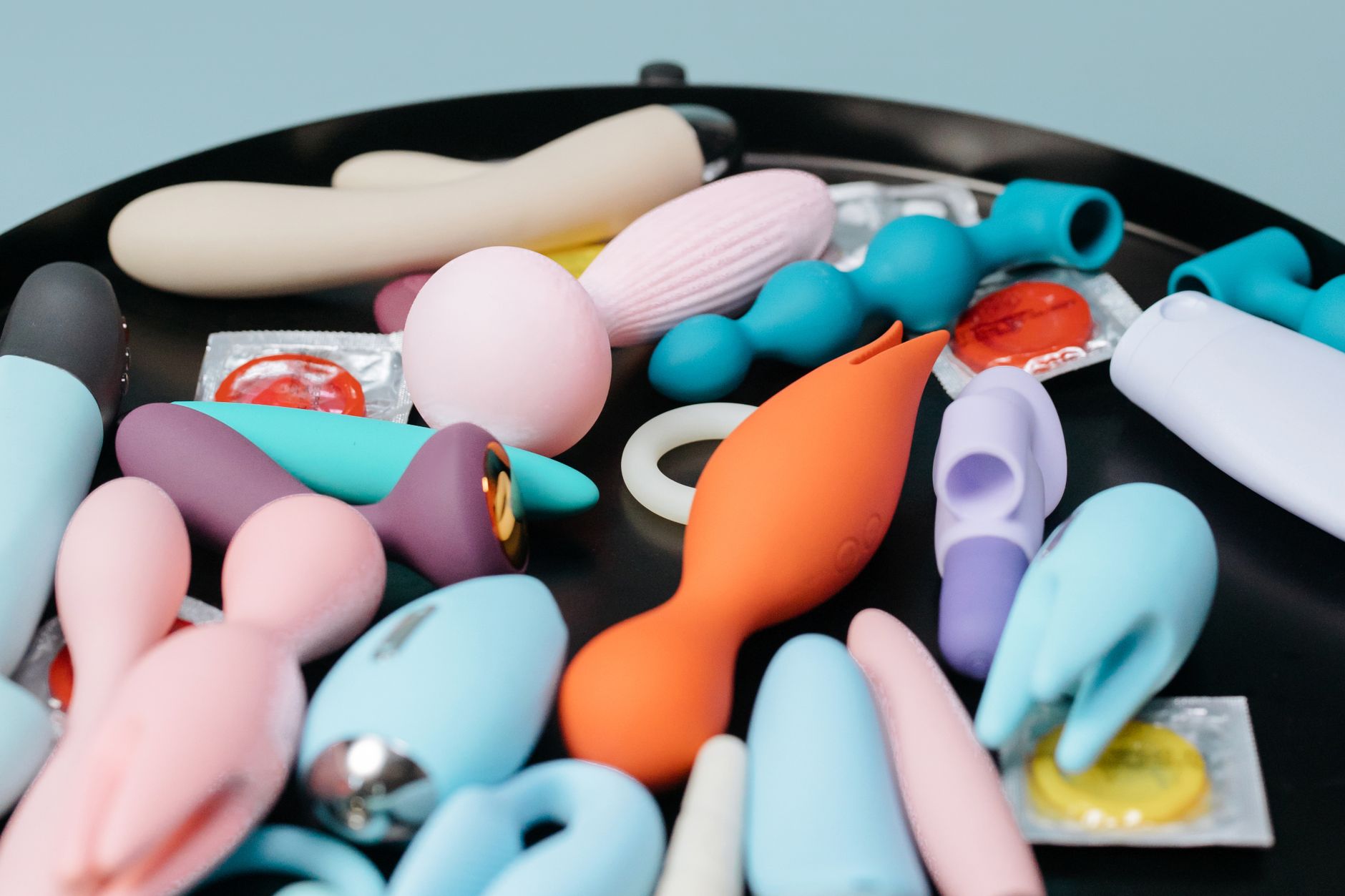
Photo by cottonbro studio on Pexels
Three ways couples actually use lemon vibrators when desire doesn't match
The parallel play approach
Both partners are in bed. One person uses a vibrator while the other does something else. Read. Touch. Watch. The point isn't synchronized pleasure. The point is that you're physically together, which maintains intimacy and connection, without requiring the lower-desire partner to perform arousal they don't feel.
This is radically different from traditional sex. There's no finish line. There's no pressure to match your partner's arousal. The lower-desire partner often finds that being present without the pressure to perform actually makes them more interested in participating. Not always. And that's fine too.
The bridge practice
Sometimes the higher-desire partner uses a vibrator first. Alone or with their partner present. Then they move into partnered sex. This sounds counterintuitive, but it actually works because the edge is already taken off. The higher-desire partner is satisfied before you even start. So partnered sex becomes about connection, not about meeting an urgent need. It feels less like a demand and more like a choice.
The solo satisfaction boundary
Maybe you never get on the same page about frequency. One person still wants more. That's okay. The lower-desire partner can feel secure knowing their partner has a tool to meet their own needs without pressuring them. The higher-desire partner can feel secure knowing they don't have to suppress their desire or resent their partner for not matching it.
This removes the scarcity panic that drives so much resentment in mismatched couples.
Why the Lem specifically works for this
A good lemon clitoral vibrator does something traditional vibrators don't. The suction pattern mimics the kind of stimulation that actually gets people there. It's not penetrative. It's not performative. You can use it solo, or a partner can use it on you. It's quiet enough that you can do this without making a production of it.
The design matters because it removes shame. A sleek lemon-shaped clitoral vibrator doesn't look like a massive fantasy object. It looks intentional. Modern. Easy to have in your bedside drawer without it feeling like a symbol of relationship failure.
The conversation you actually need to have
Introducing a vibrator into a relationship with mismatched desire works only if the conversation is right. Don't frame it as a solution to your partner's low desire. That puts them on the defensive immediately. Instead, frame it as a tool for your own pleasure and relief.
Say something like: "I've been feeling a bit stuck with our rhythm. I think I want to explore using a vibrator sometimes, not as a replacement for us, but as a way for me to take care of my own needs without putting pressure on you."
Then listen. If your lower-desire partner feels threatened, don't push. The threat is usually about feeling replaced or judged, not about the vibrator itself. Give them time.
If you're the lower-desire partner, this is actually an opportunity to get off the defensive. You can say: "I appreciate that you're finding ways to meet your own needs. That takes pressure off me. And I might want to use one too." Or not. Both are valid.
When to bring a therapist into the conversation
If desire mismatch is wrapped up in deeper relationship issues—resentment, infidelity, loss of emotional intimacy—a vibrator won't fix that. It might actually create more conflict because you're addressing the symptom without treating the cause.
A good couples therapist helps you understand what's driving the mismatch. Sometimes it's biological. Sometimes it's stress or burnout. Sometimes it's that one person is angry and hasn't said so. Untangling that makes a real difference.
That said, in relationships where the connection is solid but the rhythm is mismatched, a clitoral vibrator often becomes a turning point. It removes the pressure that's been suffocating both of you.
The pleasure recovery that happens after
Here's what I see most often in my practice. Couples bring a vibrator into their intimacy life. For a few weeks, it's a bit awkward. Then one partner realizes they're having better orgasms. Then the other partner gets curious. Then, surprisingly often, they start wanting partnered sex more because it doesn't feel like an obligation anymore.
The mismatch didn't disappear. But the resentment did. And that changes everything.
Desire mismatch in long-term relationships is one of the most common issues I work with. It's also one of the most solvable, once you stop framing it as a problem with your partner and start treating it as a logistics issue. A lemon vibrator won't make your partner suddenly want sex more often. But it will remove the pressure that's been poisoning the desire you both do have.
FAQ: Lemon Vibrators and Mismatched Libido
Will using a vibrator make my partner feel like I'm choosing it over them?
Not if you frame it right. The conversation matters more than the tool. Make it clear that you're using it to preserve your sanity and your relationship, not to replace your partner. And then actually mean it. Show up differently in your marriage after. Be more present, more affectionate, less resentful. Your partner will notice the change.
Is it weird to use a vibrator while my partner is in the room?
Yes, at first. But weird gets normal fast. Lots of couples find that having one person use a vibrator while the other is present creates a different kind of intimacy. There's no performance. No pressure. Just two people being honest about their bodies.
How do I bring this up without my partner thinking I'm criticizing their performance?
Don't lead with the vibrator. Lead with the relief. Say something like: "I've been feeling pressure around our timing, and I think I need a better way to handle my own needs so it stops building up between us." Then, separately, mention the vibrator as a practical solution. Make it about you taking responsibility for your satisfaction, not about them failing to provide it.
Can we use a lemon vibrator together if we have mismatched desire?
Absolutely. Some couples use it as foreplay. One partner uses the vibrator while the other is inside them. Others use it as a way to extend an encounter that one person wanted more than the other. The key is that both people are enthusiastic about the experiment.
What if my partner feels insecure about using a vibrator?
Insecurity usually means they're worried about being replaced or judged. Address the worry, not the vibrator. Reassure them that this is about expanding your pleasure together, not about them being inadequate. Then ask what would help them feel secure. Maybe they need to see you use it. Maybe they need to be in control of it. Maybe they just need time.
Does using a vibrator mean there's something wrong with our relationship?
Nope. It means you're being resourceful about a problem that affects most long-term couples at some point. The couples who use tools like vibrators are often the ones who care enough to solve the problem instead of letting resentment build. That's a sign of a healthy relationship, not a broken one.
The real point
Mismatched desire happens in most relationships at some point. The couples who stay connected through it are the ones who stop treating it as a personal failure and start treating it as a practical problem to solve together. A lemon clitoral vibrator is one tool. It's not the only solution, but for many couples, it's the one that actually works because it removes the shame and the pressure at the same time.
If you want to explore how this might work in your relationship, start with curiosity instead of criticism. Ask your partner what they need to feel okay about it. Listen. Then try. The worst that happens is you have an awkward conversation. The best that happens is you remember why you wanted to be intimate in the first place.
For more on rebuilding connection after desire shifts, check out our guide on how to use lemon vibrators when you have low sex drive with your partner. And if the mismatch is tied to relationship breakdown or grief, why lemon vibrators work better for pleasure recovery after relationship breakdown walks through that differently.
Want to talk through what might work for your situation? We're here to help. Get in touch.