Here's what actually happens to desire in long-term partnerships
Your libido didn't leave you. It just went quiet. That's different, and it matters, because the fix isn't about willpower or wearing lingerie to bed. Low desire with a partner is usually a signal that something in the relationship rhythm has shifted. Exhaustion, resentment, routine, emotional distance, medication side effects, or just the cumulative weight of years together can all muffle what used to be there.
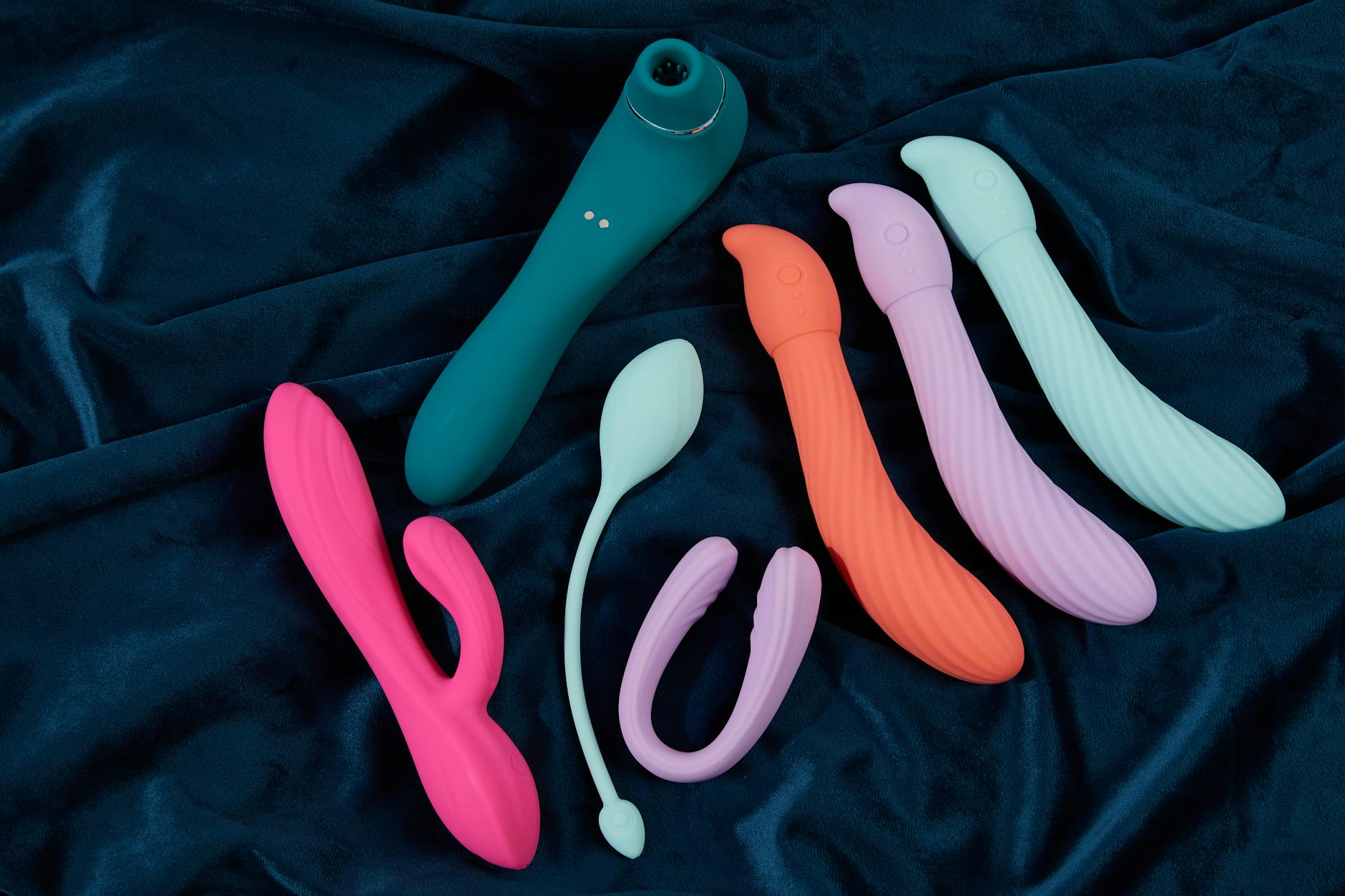
The good news? Lemon vibrators and other clitoral vibrators aren't just pleasure tools. They're conversation starters. They're permission slips to your own body. And used deliberately with a partner, they can rebuild arousal from the ground up.
Why desire drops when nothing obvious has changed
Most couples don't realize that low libido with a partner is almost never about attraction. You still find them attractive. You still love them. But your brain has sorted sex into the "maintenance task" folder alongside paying bills and scheduling dentist appointments. That's not a personal failing. That's what happens when intimacy becomes routine without presence.
Here's the pattern I see constantly in my practice. Early in relationships, novelty drives arousal. Your nervous system is activated. Years in, that novelty wears off. If you haven't actively rebuilt desire as the relationship matures, you're left with habit. Habit doesn't feel sexy. Habit feels like going through motions.
Then there's the practical layer. If one or both of you are managing stress, kids, careers, aging parents, or health stuff, sexual desire often gets deprioritized. It's not that you don't want connection. It's that your body is running on fumes and doesn't have the bandwidth to feel turned on.
How lemon vibrators reframe the conversation
Introducing a lemon clitoral vibrator isn't about fixing brokenness. It's about removing friction from pleasure. When desire is low, arousal takes longer. Your nervous system needs more time to shift from sympathetic (stressed, alert) to parasympathetic (relaxed, open). A lemon vibrator compresses that timeline.
Here's what changes: instead of "we should have sex" becoming "we need to have sex for 30 minutes and I'm not sure I'll finish," it becomes "let me show you what actually feels good right now." That's a completely different conversation. One is obligation. The other is exploration.
Many couples I work with find that when they introduce a clitoral vibrator, the person with lower desire suddenly has agency in the experience. You're not waiting to be turned on by your partner's touch. You're actively generating your own arousal, on your own timeline, with your partner present. That presence matters. You're not alone. But you're also not dependent on their technique or their rhythm.
The setup that actually works
Timing is everything. Don't try to introduce a lemon vibrator when you're already in bed feeling obligated. That sets it up to fail. Instead, have the conversation when you're both clothed, fed, and not stressed. Say something like: "My desire has been quiet lately and I think I want to explore that together. Would you be open to trying something that might help me reconnect with pleasure?"
That phrasing does three things. It acknowledges the reality without blame. It frames it as exploration, not fix-it. And it invites your partner to be part of the process rather than a spectator.
When you're actually in bed:
Start with solo arousal first. This might feel counterintuitive, but it works. Give yourself 10-15 minutes with your lemon clitoral vibrator before involving your partner. You're essentially warming up your nervous system. Your partner can be present, touching you elsewhere, talking to you, or just watching. The point is that they're not performing. You're generating the arousal.
Then layer them in. Once you're actually turned on (you'll feel it), your partner can touch you, kiss you, or use their hands while you continue with the vibrator. The suction sensation of a lemon vibrator pairs beautifully with other stimulation because it's precise and doesn't get in the way.
Communicate in real time. "Slower," "there," "just like that." This isn't dirty talk. This is data. Your partner needs to know what's working. And you need to practice articulating desire. Low libido often comes with low communication about what would actually help.
Why the patterns on your lemon vibrator matter more than you think
When desire is low, overwhelming sensation backfires. Your nervous system is already cautious. Jumping straight to the most intense suction pattern on a lemon clitoral vibrator can feel like sensory overload, which sends you right back into that "this doesn't feel good" space.
Start with pattern 1 or 2. The gentler waves. Give your body permission to take time. Many people with low desire find that the most subtle patterns are where pleasure actually lives. You're not chasing intensity. You're building familiarity with sensation.
Some couples also find that using the vibrator together at the same time changes things. If your partner also uses a lemon vibrator or another type of clitoral vibrator, you're in sync. You're both building arousal. That mutual pleasure matters. It's not about you being brought to pleasure by them. It's about both of you generating it.
What happens when your nervous system is still reluctant
If even with a vibrator, arousal feels forced, that's data too. It might mean the real issue isn't physical at all. It might be emotional distance, unresolved conflict, exhaustion that won't quit, or sometimes medication side effects that need attention.
Use the vibrator as a diagnostic tool. If pleasure comes easily when you're using it solo but disappears when your partner is present, that's pointing to something relational. Maybe there's a conversation that needs to happen. Maybe you need to reconnect emotionally before sexual reconnection makes sense.
I often recommend couples take a break from traditional sex and focus on what I call "pleasure dates." No expectation of orgasm or intercourse. Just exploring sensation together with a lemon vibrator, with the understanding that tonight's goal is curiosity, not completion. That takes the pressure off completely.
Building back desire takes time (and that's okay)
Here's what I tell people: desire isn't a switch you flip on. It's a dimmer you gradually turn up. If you've been experiencing low libido for months or years, rebuilding arousal might take weeks. That's not failure. That's your nervous system slowly learning that it's safe to want again.
The lemon vibrator is a tool in that process. It's not magic. But it does remove two major obstacles. One: the pressure to be turned on by stimulation that wasn't designed for your body. Two: the assumption that sex needs to look like it did years ago.
Sex with a partner when desire is low actually has permission to be different. Slower. More focused. More intentional. For some couples, that becomes their new normal, and they discover it's actually better than what came before.
People also ask
Can using a lemon vibrator with my partner fix our sex life?
A lemon clitoral vibrator can help rebuild arousal and pleasure, but it can't fix disconnection that runs deeper. If your low desire is tied to resentment, emotional distance, or unresolved conflict, you'll need to address those things too. A vibrator gives you a way back to physical pleasure together. It doesn't repair the relationship on its own. If the emotional gap feels wide, couples counseling alongside exploring sensation together is the smartest move.
What if my partner feels threatened by the vibrator?
This is more common than people realize. Some partners interpret a vibrator as "you're not enough." That's usually a sign that desire and intimacy are tangled up with ego. The conversation here is: "I want to feel closer to you, and this helps me get there." Reframe it as a tool that helps you both experience more pleasure together, not a replacement for them. If the defensiveness persists, that points to something deeper about how they see your sexuality, and that's worth exploring in therapy.
How often should we use the lemon vibrator when rebuilding desire?
Start with once a week, no pressure. This isn't a prescription. It's an experiment. The goal isn't frequency. It's consistency enough to create a new pattern. When desire is low, knowing you have a specific time dedicated to pleasure can actually help your nervous system relax. You're not trying to force arousal at random moments. You have permission and space set aside.
Does using a lemon vibrator mean I'm losing attraction to my partner?
No. Using a clitoral vibrator often actually increases attraction because you're feeling pleasure more easily. Pleasure and connection are linked. When you start to feel good in your body again, you want more of it. More desire. More touch. More time together. Many couples find their overall intimacy deepens, not diminishes, when they introduce a vibrator.
What if my partner wants to be inside me while I use the lemon vibrator?
That's something to communicate about. Some people find it works beautifully. The vibrator sensation is completely separate from penetration and can intensify both. Others find it's too much stimulation at once. There's no universal answer. Experiment. You might discover that the vibrator during foreplay, before penetration, feels best. Or that it works better after. The point is that you're deciding together, based on what actually feels good.
Can low desire with a partner come back on its own?
Sometimes, but waiting is usually wishful thinking. Desire typically doesn't spontaneously reignite. It needs attention. That attention might be a conversation about what's actually happening in the relationship, medical evaluation for medication side effects, or simply dedicating space to pleasure again. A lemon vibrator can be the catalyst that starts that process, but only if you're willing to show up for it together.
The real shift happens when you decide desire matters again
Low libido isn't a personal failure or a sign that your relationship is doomed. It's a signal. Your body is telling you something needs to change. Maybe it's stress. Maybe it's disconnection. Maybe you've just been operating on autopilot.
A lemon vibrator won't fix the underlying issue. But it can give you a way to start rebuilding pleasure together while you figure out what's underneath the quiet. It's a conversation starter. A permission slip. A bridge back to sensation and presence.
The couples who move through low desire successfully aren't necessarily the ones with the most attractive partners or the most compatible bodies. They're the ones who decide that pleasure and connection are worth the awkwardness of trying something new. They're willing to be curious instead of ashamed.
If you're ready to explore this with your partner, start small. Have the conversation. Pick a time. Try it. See what happens. Your desire might surprise you with what it's willing to offer when you finally give it space and attention.
If the emotional gap feels too wide or the low desire is connected to something bigger than routine, we're here to help. Reach out to Hello Nancy to talk through what might work best for your situation.