Here's what nobody tells you about shared pleasure
When you use a lemon vibrator alone, you're in control of rhythm, pressure, angle, and speed. It's reliable. It's efficient. It works. But the moment a partner touches the device—or you hand it over entirely—something shifts that has nothing to do with the toy itself. The physical sensation changes. Your arousal pathway changes. The whole experience becomes something different.
I see couples come into my office thinking the vibrator is the problem or the fix. It's neither. The vibrator is just the thing that makes the real conversation impossible to avoid anymore.
What actually changes when a partner holds the lemon vibrator
There are three layers here, and they stack on top of each other.
The attention layer. When you're alone, your nervous system is focused inward—managing sensation, building arousal, tracking toward orgasm. When a partner is involved, part of your attention has to track them. Are they watching? Are they enjoying this? Are they comfortable? That split attention sounds distracting (and sometimes it is), but neuroscience shows something interesting happens. Your body registers that another person is invested in your pleasure. Your parasympathetic nervous system—the part that manages relaxation and arousal—settles differently. You're less likely to overthink. More likely to drop into sensation.
The rhythm layer. Alone, you control the pattern. A partner doesn't know your body the way you do, which means they might apply pressure differently, vary the intensity on a whim, or miss the exact spot. This sounds like a downside. But variability actually keeps your nervous system engaged. Your body has to stay present instead of chasing a memorized pathway to climax. Many people find they orgasm more intensely, or reach deeper relaxation, when they can't predict what comes next.
The vulnerability layer. Handing someone else a lemon clitoral vibrator—or asking them to use one on you—requires a specific kind of trust. You're saying: "I want you to see what turns me on. I want you to have agency over my pleasure." That request triggers a cascade of neurochemical shifts: oxytocin (bonding), dopamine (reward), and a recalibration of shame. For many people, this is the first time they've actually articulated what they want sexually, out loud, to another person.
It sounds big because it is.
Why couples struggle with introducing a lemon vibrator
Most couples don't start with a conversation. They start with an object. Someone buys a device—maybe secretly, maybe after an awkward mention—and then tries to incorporate it into sex. What follows is usually confusion.
The partner holding the lemon vibrator is worried they're being replaced. The person receiving is worried they're being judged for needing it. Both are navigating something that should have had words attached to it.
Here's what I tell couples in session: the vibrator isn't the issue. The issue is that you haven't actually talked about pleasure, desire, and what each of you wants from physical intimacy. The vibrator just makes that conversation unavoidable. Use it as permission to have the talk you've been avoiding.
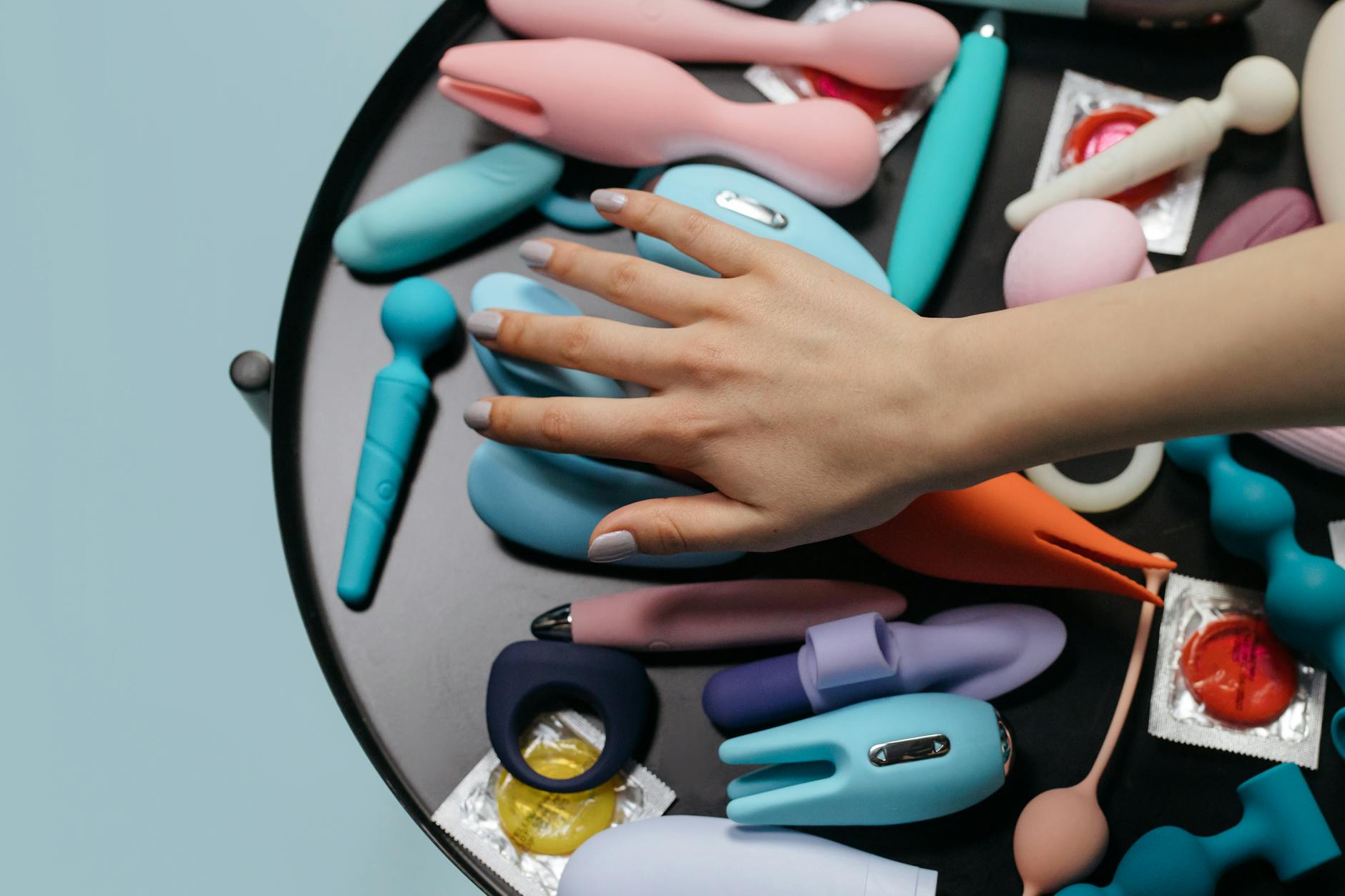
Photo by cottonbro studio on Pexels
How to actually introduce a lemon vibrator to your partner
Don't hand someone a toy and hope for the best. Have a real conversation first.
Start with honesty, not justification. "I've been thinking about us trying a vibrator together" is better than "I read that vibrators help with this problem." You're not admitting to a deficit. You're naming a desire.
Be specific about what you want. "I want to use a lemon vibrator during sex" is different from "I want you to use a lemon vibrator on me" is different from "I want us both to try one." Each version means something different and requires a different conversation.
Ask questions back. What makes your partner hesitant? Is it about feeling inadequate? Is it about comfort? Is it about not knowing how to use it? Those answers change everything about how you move forward. A partner worried they'll "do it wrong" needs reassurance and education. A partner worried about intimacy needs a different kind of reassurance entirely.
Start small. You don't have to integrate a lemon vibrator into penetrative sex immediately. Many couples find that using one during foreplay, or while you're touching each other without penetration, feels less loaded. Lower stakes. More room to laugh if something feels awkward. And it will feel awkward at first. That's normal.
Let your partner lead sometimes. If you've always used a vibrator alone, handing it over to someone else means losing some control. That's the whole point, but it's also scary. Give yourself permission to ask for what you want ("A little slower," "Higher," "Stay there"), and also give your partner permission to try things. Some of the best discoveries happen on accident.
Why a lemon vibrator specifically changes the dynamic
There's something about the design of a lemon sucker—the gentle, focused stimulation, the small size, the way it nestles in someone's hand—that makes shared use feel less transactional than bigger toys. A partner can hold it comfortably while still touching you elsewhere. The scale feels intimate. You can use it during almost any position without major choreography. And because it's quieter than some devices, the attention stays on sensation and connection rather than the machine.
I've worked with couples who tried bigger vibrators, felt clumsy and self-conscious, and then switched to a smaller clitoral device. The difference in their comfort and pleasure was immediate. Sometimes it's not about the toy. It's about whether the toy disappears into the experience or dominates it.
What happens after the first time
Some couples find that introducing a vibrator opens something. They start talking more freely about sex. They get curious. They try other things. They feel more connected.
Other couples use a lemon vibrator once and never mention it again. That's fine too.
What matters is that the barrier has been crossed. You've both acknowledged that pleasure is something worth asking for, worth exploring, worth making space for together. That conversation—that willingness—does more for long-term intimacy than the vibrator ever could.
If you're hesitant, remember this: wanting shared pleasure isn't selfish. It's not a symptom of a broken relationship. It's an expression of trust. You're asking your partner to be present for something vulnerable. You're saying your pleasure matters enough to make space for it. That's actually the foundation of intimacy.
FAQ: Lemon vibrators and partner play
How do I know if my partner will be open to using a lemon vibrator together?
You ask. There's no way around it. Start with something low-pressure: "I've been curious about trying a vibrator together sometime. What do you think?" Their response tells you everything. Curiosity, hesitation, confusion, excitement. You're gathering information, not asking for a yes or no. If they say no, that's real information about a boundary. If they say maybe, you have a conversation. The goal is clarity, not agreement.
What if my partner feels like the vibrator means they're not enough?
That's the most common concern I hear, and it deserves a direct answer. "A vibrator isn't about you not being enough. It's about exploring a different kind of sensation together." You might also share the research: many people need clitoral stimulation to orgasm, and a partner's hand or penis alone often isn't enough—not because of the partner, but because of basic anatomy. A lemon clitoral vibrator isn't a replacement. It's an addition. The goal is pleasure, not a solo performance.
Can we use a lemon vibrator during penetrative sex?
Absolutely. A lemon vibrator is small and focused, so one partner can use it during penetration without getting in the way. Some people find that clitoral stimulation during penetration changes the orgasm entirely—deeper, fuller, more intense. Others find it overwhelming and prefer vibrators during foreplay only. There's no right answer. It depends on your body, your partner, and what feels good in the moment.
What if we don't know which lemon vibrator to choose?
Start with something versatile and body-safe. Look for medical-grade silicone, a quiet motor, and a size that feels easy to hold and direct. A lemon sucker design is great for couples because it's intuitive—you don't need a manual to figure out what to do with it. If you're uncertain, our buying guide walks through the options and what works best for different preferences and bodies.
Is it normal to feel weird the first time?
Completely normal. You're doing something new, you're vulnerable, you're communicating about desire in a direct way. Some weirdness is baked in. Laugh. Be patient with yourself and your partner. The second or third time usually feels less awkward because you're not performing. You're just exploring together.
How do we clean a lemon vibrator we're sharing?
Wash it with warm water and a little soap before and after use. Silicone is durable and easy to care for. If you're using it during penetrative sex, clean it between uses with different partners to avoid bacterial transfer. That's basic safety, not a rejection of anyone involved. It's just good hygiene.
The real point
A lemon vibrator isn't magic. It won't fix a relationship that's struggling with deeper intimacy issues. But it can be a catalyst for the conversations that do. It forces you to name what you want. It makes you visible to your partner in a new way. And sometimes, that visibility—that willingness to be known—is the whole point.
If you're sitting with the idea of sharing a vibrator with your partner and you're nervous, that's okay. Nervous usually means you care enough to want it to go well. Start with the conversation. Let the vibrator come second.
For more on navigating pleasure in partnership, check out our piece on how couples use lemon vibrators together. And if you're new to vibrators entirely, our beginner's guide covers the basics without shame.
Your pleasure matters. And so does your partner's willingness to be part of it.