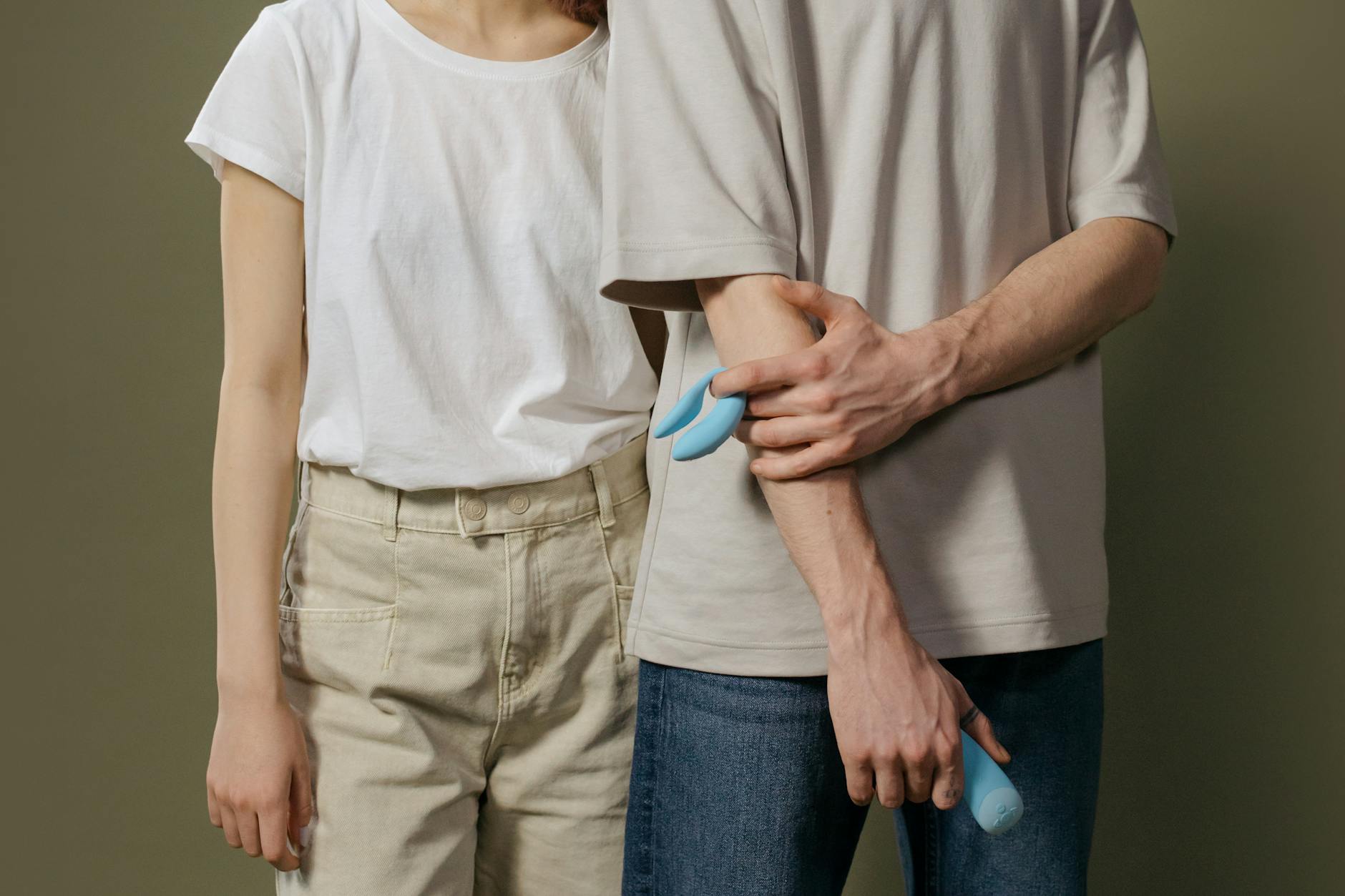
Let's be honest about what celibacy does to your body
After months or years without sexual contact, pleasure doesn't just pause. It rewires. Blood flow patterns change. Tissue sensitivity shifts. Your nervous system forgets the specific sequence of arousal. None of this means you're broken. It means your body is a responsive system that adapts to whatever inputs it receives, and when those inputs disappear, adaptation happens in the opposite direction.
The good news: reintroduction is simple, and it doesn't require pressure, performance, or a partner watching you figure it out.
What happens to sensation after celibacy
Think of sexual response like a skill you haven't practiced. The neural pathways for arousal are still there. The clitoral nerve density hasn't changed. But the speed at which your body moves from zero to arousal has slowed. Your baseline sensitivity can feel lower. Orgasm, when it comes, might feel quieter or take longer to reach.
This isn't permanent. It's not a sign of dysfunction. It's just what happens when the system goes quiet.
Many of my clients in this position report feeling anxious about "starting over," worried they won't feel pleasure the way they used to, or concerned they'll disappoint a new partner. That anxiety itself becomes a barrier. Your nervous system can't simultaneously be in fight-or-flight mode and in arousal mode. They're mutually exclusive.
The job, then, is to remove pressure and rebuild sensation at a pace your body sets.
Why lemon vibrators help rebuild sensitivity
A lemon clitoral vibrator works differently than your hand or even traditional vibrators. Suction-based stimulation (the technology inside a Lem, Hallo Nancy's flagship design) engages the clitoris through gentle negative pressure rather than direct vibration. This matters after celibacy because sensitive tissue responds better to suction than friction.
Here's the practical advantage: you can use a lemon vibrator on the lowest settings and still feel significant stimulation without the intensity that might feel overwhelming on tissue that's been quiet. You're not numb. You're just recalibrating. A suction vibrator lets you do that gently.
The other thing lemon vibrators do is remove the variable of a partner's presence. You can explore what feels good without someone else's expectations in the room. That removes performance pressure entirely. Once you know what your body responds to, introducing a partner into that experience becomes easier.
How to start: a practical three-stage approach
Stage One: Solo exploration (alone, no time pressure).
Use your lemon vibrator on pattern 1 or 2, no more. Spend 15-20 minutes just noticing sensations. You're not trying to orgasm. You're trying to remember what arousal feels like. Apply a small amount of water-based lubricant first. Suction works better on slightly wet tissue.
Do this three to five times before moving to stage two. Your nervous system needs time to recognize the signal and respond. Don't rush it.
Stage Two: Gradual intensity progression (still solo).
Once you feel comfortable at pattern 2, try pattern 3 or 4. Spend another week or two here. Notice how your body responds at different intensities. You might find that arousal builds more easily. Sensations might feel sharper. This is your baseline recalibrating.
The point isn't to chase an orgasm yet. The point is to remember that pleasure is available to you. That's the win.
Stage Three: Partner introduction (if you have one).
Once you've explored solo and know what patterns feel good, introducing your lemon vibrator to a partner conversation is straightforward. Use the exact language: "I've been exploring sensation on my own. This is what feels good to me right now. I want to explore it with you if you're interested."
That removes the shame, removes the mystery, and centers the conversation on your pleasure, not on proving anything.
The timeline is personal, and that's okay
Some people rebuild sensitivity in two to three weeks. Others take two to three months. There's no "normal" timeline. Your timeline is the right one.
What matters is consistency, not intensity. Using your lemon vibrator once a week for six weeks will work better than an intense two-hour session once a month. Your nervous system responds to regular, gentle signals more than occasional aggressive ones.
If you're feeling anxious about this process, that's also worth naming. Anxiety is a real barrier to arousal. If you find yourself tense, pause the vibrator work and do something else that feels calming first. A bath, a walk, some music. Then return to it.
When to talk to a doctor
If after six to eight weeks of consistent use you're not feeling any returning sensation or arousal, check in with your GP. Some medications affect sexual response. Hormonal changes can too. A clinician can help you sort out whether this is a tissue issue, a medication side effect, a hormonal shift, or something else.
Also talk to someone if pain appears during or after use. That's different from sensitivity. Pain is a signal that something needs attention.
Reintroducing yourself to pleasure without guilt
Here's what I know from working with dozens of people in this exact position: you deserve to rebuild pleasure on your own terms. Not your partner's timeline. Not what you "should" feel at this point. Your timeline.
A lemon vibrator is a tool that makes that process gentler, less pressured, and more responsive to what your actual body needs right now. Use it that way. Solo first. Pressure-free. Then, when you're ready, bring it into partnership if that's what you want.
Your pleasure matters. Full stop. And it's waiting for you when you're ready to meet it.
People also ask
How long does it take to regain sexual sensation after celibacy?
Most people report noticing returned sensitivity within two to three weeks of consistent stimulation, though some take longer. This varies based on how long the celibacy period lasted, whether you're managing any medical conditions, and medication use. Think of it like returning to exercise after time off. Your body remembers faster than you might expect, but you still need to ease back in. Using a lemon clitoral vibrator on lower settings helps the nervous system remember arousal without overwhelming it.
Can lemon vibrators help with anxiety about starting sexual activity again?
Yes, but not by magic. What they do is remove one variable: the need to perform for someone else. When you explore sensation alone with a lemon sucker vibrator, you're gathering data about what feels good without anyone watching or expecting anything. That reduces anxiety significantly. The suction-based design also tends to feel less aggressive than traditional vibrators, which can help if your nervous system is in a protective state from the celibacy period.
Is it normal to feel numb during the first few sessions with a vibrator after celibacy?
Completely normal. After months without sexual stimulation, the clitoral tissue is under-resourced. Blood flow is lower. Neural pathways are quiet. A lemon vibrator helps restore that gradually. Start with the gentlest settings and apply lubricant generously. If you're not feeling much in the first two sessions, that's fine. Your body is waking up. Give it time and consistency, not intensity.
What lubricant should I use with a lemon vibrator after a long celibacy period?
Use a water-based lubricant. Apply it generously. Your tissue might be drier after celibacy, which is normal. Silicone-based lubes feel richer and last longer, but they can damage silicone toys like the Lem. Water-based is safer and still works beautifully with suction-based stimulation. Reapply as needed during your session. Comfort matters more than product choice here.
Should I use a lemon vibrator alone first, or is it okay to introduce it with a partner immediately?
Solo first, if possible. Not because there's anything wrong with partnered exploration, but because you'll reintroduce sensation faster when you're not managing anyone else's presence. Once you know what patterns and intensities feel good, bringing that knowledge into a partnered experience becomes easier. You're not wondering if you're doing it right. You already know. That confidence changes the dynamic.
How do I talk to my partner about rebuilding sensation after celibacy?
Be straightforward: "I'm rebuilding sensation after time without sexual contact. I want to explore what feels good at my own pace. I'd like your support and patience as I figure this out." That's it. No shame, no over-explanation. Your partner either gets it or they don't, but your pleasure isn't negotiable. If you'd like them involved, you can invite them in once you've done some solo exploration. "I've found what feels good to me. Want to explore it together?" That's an invitation, not a demand.
The bottom line
Celibacy changes your body's sexual responsiveness, not your capacity for pleasure. A lemon clitoral vibrator helps bridge that gap by offering gentle, consistent stimulation without pressure. Start solo, go slow, and let your nervous system set the pace. Your body will respond. It just needs time, consistency, and a little bit of support from the right tool. If you want to learn more about exploring sensation safely after life transitions, check out our guides on how to rebuild pleasure after sexual trauma and sensation rebuilding when numbness feels normal.
You're not starting from zero. You're remembering.
References
Gottman, J. M., & Silver, N. (2015). The Seven Principles for Making Marriage Work. Harmony.
Bartlik, B., & Goldstein, M. R. (2000). Female sexual arousal disorder and antidepressant-induced sexual side effects. The Journal of Sex & Marital Therapy, 26(4), 331-341.
Perelman, M. A. (2014). The Sexual Tipping Point: A New Model for Understanding Men's Sexuality and Pleasure. Rodale.
Shackelford, T. K., & Goetz, A. T. (2007). Adaptation to sperm competition in humans. Neuroscience & Biobehavioral Reviews, 31(4), 618-627.