Let's talk about the numbness that nobody mentions
You're having sex and you feel almost nothing. Not pain, not resistance, just a kind of distant awareness that something is happening down there, like watching your own body from behind glass. You've probably wondered if something is permanently wrong with you. It's not.
Chronic numbness during intimacy is more common than you'd think, and it's often reversible. The issue isn't typically that your nerve endings have stopped working. It's that they've gotten used to a certain type of stimulation and stopped paying attention to it. Your nervous system has tuned out. The good news: it can tune back in, and lemon vibrators, with their unique suction mechanism, are often the fastest way to do that.
Why normal stimulation stops working over time
Here's the physiology. Your clitoris contains about 8,000 nerve endings concentrated in a small space. These nerves adapt to repetitive stimulation. If you've been using the same technique, the same pressure, the same rhythm for years, those nerve endings literally stop firing the way they did when the sensation was novel. This is called sensory habituation, and it's neurological, not psychological.
It happens to everyone eventually with enough repetition. It also happens faster if you've experienced certain things: long-term stress, hormonal shifts, medications that affect nerve sensitivity, or past sexual experiences that trained your body to numb out for protection.
The problem with trying to fix it with more intense vibration is that you're still working within the same sensory bandwidth. Your nerves have learned to ignore that signal. You need a completely different type of input.
How suction-based stimulation wakes up your nervous system
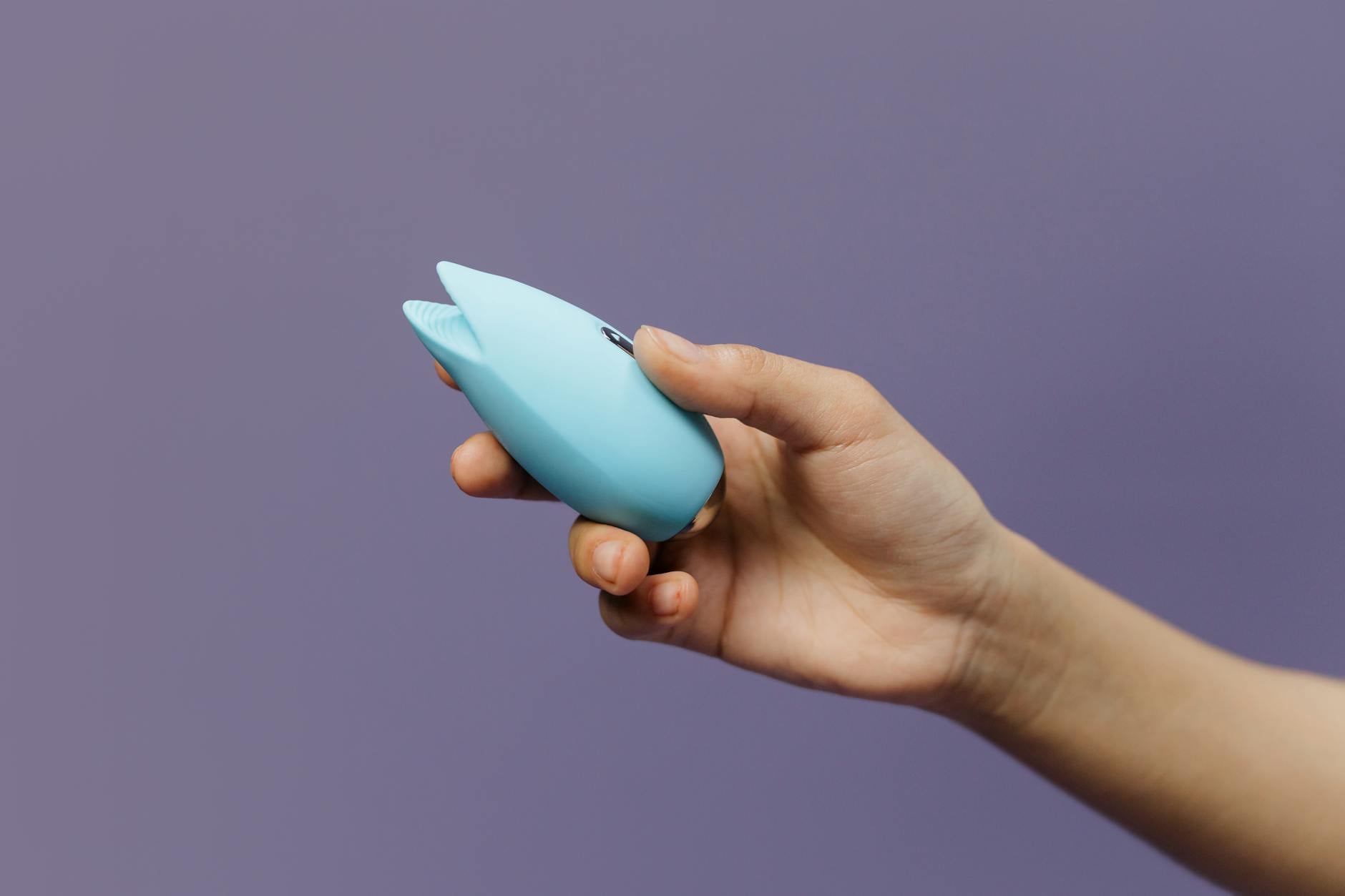
Lemon clitoral vibrators work differently than traditional vibrators. Instead of vibrating against your clitoris, they create a gentle suction and release pattern that stimulates nerve endings through pressure changes rather than direct friction. This is neurologically novel. Your nervous system hasn't tuned it out because it's a signal type your body hasn't learned to ignore.
When you first use a lemon vibrator after months or years of numbness, you might be shocked. People often describe it as "I felt something I haven't felt in forever." That's not accidental. The suction mechanism activates different nerve pathways than traditional vibration does. It's like switching from email notifications to phone calls. Your brain has learned to ignore the buzz, but it won't ignore the ring.
The reconnection usually takes three to five sessions
Sensation doesn't always come roaring back on the first try, especially if you've been numb for a long time. Think of it like physical therapy for your nerve endings. You're retraining them to fire again. Most people notice:
Session 1 to 2: Some tingling or awareness, often surprising but not quite the sensation you're looking for. You might feel more in your lower abdomen or your thighs than in your clitoris itself.
Session 3 to 4: Recognizable sensation beginning to return. Specific feelings starting to localize in your clitoris. A sense of texture and pressure that feels distinct from surrounding tissue.
Session 5 onwards: Sustained sensation building. The ability to feel pleasure building toward orgasm rather than sensation that plateaus and stays flat.
This isn't guaranteed to work in exactly this timeline for everyone, but it's the most common arc I see in conversations with people using Hallo Nancy Lem's lemon vibrators specifically for sensation recovery.
What makes lemon vibrators different from suction toys in general
Not all suction-based toys are created equal. The design of the Lem vibrator matters. It has a larger cup surface area than many suction toys, which distributes pressure more evenly across your clitoral hood. This means less intensity concentrated in one pinpoint and more whole-area stimulation. For someone working through numbness, this is crucial because it allows your nerve endings to fire together, creating a coherent signal your brain actually registers.
The intensity settings also matter. You want to start at pattern 1 or 2, which the Lem offers. Many suction toys don't have low enough settings to allow for gradual sensation rebuilding. If you jump straight to high intensity, you might trigger your nervous system to numb out again as a protection response.
Why this matters if you have a partner
One of the hardest parts of chronic numbness is the emotional weight it carries in a relationship. Partners often feel rejected or assume they're doing something wrong. Being able to explain, "My nervous system has tuned out, and I'm working on rewiring it," shifts the conversation completely. It's not about them. It's not about attraction. It's about your body's learned response.
That said, sensation recovery works better when you're not performing for anyone. The pressure to feel something, to orgasm, to prove that the sex is working adds another layer of nervous system activation that works against you. If you're in a relationship, talk about setting aside solo time to reconnect with your own body first. Then, once sensation is returning more consistently, your partner can be part of that rekindling.
The role of mental state in sensation recovery
Your nervous system doesn't separate physical from emotional. If you're in a high-stress period, grieving, dealing with anxiety, or feeling disconnected from your body for any reason, sensation recovery will be slower. This doesn't mean it won't work. It means you might need to give it more time and address the emotional part alongside the physical.
Some things that help: spending a few minutes before you use a lemon vibrator grounding yourself (noticing five things you can see, four you can feel, three you can hear). Setting a specific time rather than trying to force sensation randomly. Removing the goal of orgasm entirely. The goal right now is just feeling something. Orgasm will return once sensation is back.
When to know if sensation recovery needs other support
If after eight to ten sessions with a lemon vibrator you're still feeling nothing, that's the signal to bring in another tool. Talk to your doctor. Numbness can sometimes indicate nerve damage, hormonal imbalance, or medication side effects that need a different intervention. A pelvic floor physical therapist can also assess whether tension or scar tissue is contributing. You're not broken, but you might need a team approach.
The beautiful part: most people don't need that. Most people find that a few weeks with a lemon clitoral vibrator rewakes their nervous system completely. And once sensation is back, you have options again. You can use the vibrator sometimes and not others. You can introduce other tools. You're not stuck.
What happens after numbness lifts
Here's what I want you to know. Once you've rebuilt sensation once, you understand how to do it again if needed. You have proof that your body is capable of feeling. That knowledge alone changes things. You're no longer wondering if you're broken. You know you're not. You've literally felt yourself healing.
Some people find that after sensation returns, they want to keep using lemon vibrators because they love how they feel. Other people shift to different types of stimulation now that their nervous system is awake again. Both are fine. The point was never to be dependent on any one tool. The point was to get your body back online.
Frequently asked questions
How long should each session be when I'm working on sensation recovery?
Start with five to ten minutes. You're not trying to orgasm. You're trying to wake up nerve endings. Once sensation starts returning around session three or four, you can go longer if you want to. But don't force it. Shorter, consistent sessions work better than marathon attempts that exhaust your nervous system.
Can I use a lemon vibrator if I'm taking antidepressants that affect sensation?
Yes. Many people find that lemon vibrators actually work well specifically because the suction mechanism is novel enough to bypass some of the sensory dampening that medications create. That said, if your medication is causing persistent numbness, talk to your doctor about timing or adjusting your dose. Sometimes shifting when you take it can help. A lemon vibrator is a tool, not a replacement for medical conversation.
Is the numbness my fault? Did I cause this by masturbating too much?
No. Sensory habituation is a normal neurological response to repetition, not a sign of overuse or moral failure. Your body was protecting itself and adapting. That's what nervous systems do. The fact that you're noticing it now and wanting to address it is what matters.
Will sensation feel different than it did before?
Probably somewhat, yes. Your body has changed. Your nervous system has changed. But different doesn't mean worse. Many people report that returning sensation feels richer, more textured, and more interesting than they remembered. You're not trying to go back in time. You're discovering what pleasure feels like now.
Can I use a lemon vibrator if I have vulvodynia or other chronic pain?
Maybe. Vulvodynia is complicated because it involves heightened nerve sensitivity rather than numbness. Starting with the lowest settings on a lemon vibrator might work for some people, but this is worth checking with your pelvic floor physical therapist first. You don't want to trigger a pain flare while trying to recover sensation.
How do I know if numbness is coming back?
You'll notice gradually that you need to use the vibrator more often to feel the same thing, or that sensation is becoming more distant again. If that happens, it usually means stress has spiked, hormones have shifted, or you're spending too long in high repetition with one tool again. The answer is the same as the first time: introduce novelty, take breaks, mix up your stimulation methods.
You're not stuck here
Chronic numbness during intimacy feels permanent when you're in it. It's not. Your nervous system is capable of rewaking. A lemon vibrator, specifically designed with suction-based stimulation, is one of the fastest ways to prove that to yourself. Start small, be patient with yourself, and remember that sensation returning is a sign your body is healing, not that something was wrong in the first place.