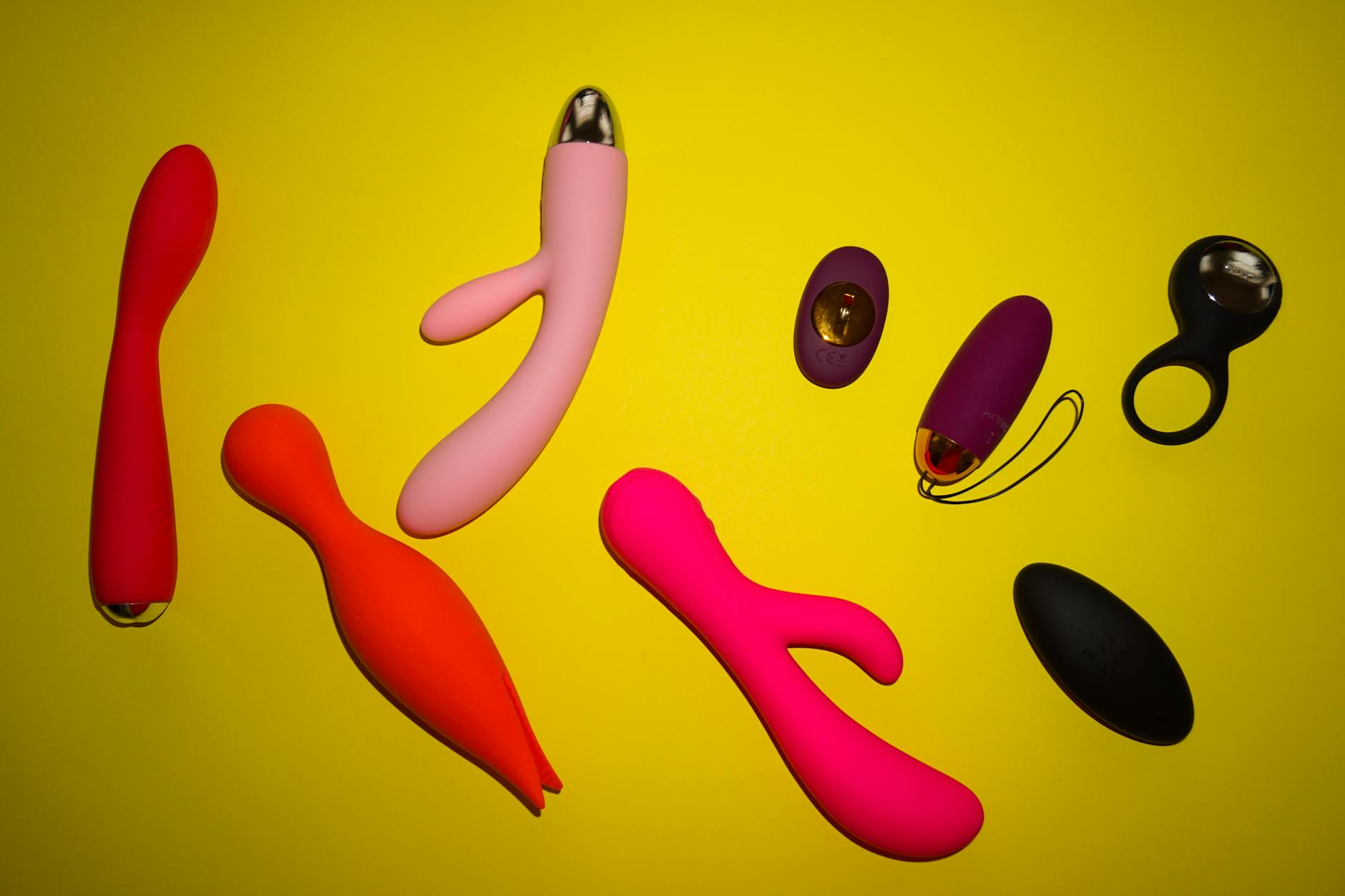
How to Choose the Right Lemon Vibrator Based on Your Sensitivity Level
Not all clitoral vibrators work the same way for every body. Here's how to match a lemon vibrator to your actual sensation needs, not generic marketing.
Here's the thing nobody tells you when they're selling vibrators. The "best" lemon vibrator for your friend, your partner, or some influencer online might actually be the worst one for you. Sensitivity exists on a spectrum, and it's not fixed. Your sensitivity can shift with hormones, stress, health, arousal level, time of day, and honestly, just the vibe you're in that particular moment.
I've worked with hundreds of people navigating pleasure, and the number one mistake is buying a vibrator based on someone else's review instead of your own body's actual feedback. That's the conversation we're having today.
Clitoral sensitivity describes how much stimulation your body needs before it registers pleasure and how quickly it can build toward orgasm. It's not a flaw. It's not something to fix. It's just data.
High sensitivity means direct, intense stimulation can feel overwhelming fast. Medium sensitivity means you enjoy variety and respond to moderate pressure. Low sensitivity means you need sustained, consistent, or more intense input to feel much of anything. Some bodies are sensitive to broad pressure but not pinpoint vibration. Some respond to vibration but not suction. Some need a warm-up period. Some arrive ready to go.
The lemon vibrators from Hallo Nancy Lem work brilliantly because they use air-suction technology instead of traditional vibration. That matters for sensitivity. Suction creates a gentler pull and squeeze sensation that feels very different from a wand or bullet vibrator bouncing directly on tissue. For some sensitivity profiles, it's perfect. For others, it's not the right first choice.
Before you pick a lemon vibrator or any toy, ask yourself these three things.
First: How does your body typically respond to direct touch? If someone places their finger on your clitoris with medium pressure and moves gently, does it feel delicious, uncomfortable, or somewhere in between? Do you naturally want them to go lighter or harder? That tells you about baseline sensitivity. If you need them to be feather-light and slow, you're probably in the high-sensitivity range. If you're saying "press harder," you're likely lower sensitivity.
Second: What happens after you start feeling good? Some people build arousal slowly and need 20 minutes of consistent, gentle stimulation to reach orgasm. Others hit intensity fast and feel it for maybe 8 minutes before overwhelm sets in. Others can sustain intense sensation for ages. Your capacity for sustained stimulation matters when choosing. Lemon vibrators are great for long, lingering sessions because suction doesn't cause the skin irritation that can come with prolonged vibration.
Third: Do you have any pain or numbness in the area? This changes everything. If you're recovering from pelvic floor physical therapy, after gynecological surgery, or living with reduced sensation from medication or hormonal changes, you need a tool that provides sensation without pain. That's where understanding how lemon vibrators differ from wand vibrators for sensitive tissue becomes crucial.
Let me break this down into actual, honest patterns.
High sensitivity (direct touch feels intense quickly). You need gentle, broad stimulation that doesn't concentrate pressure on a single point. The Lem vibrator's suction approach is often perfect here because it engages tissue without sharp pressure. Start on the lowest pattern (1 or 2). Use it through clothes or with a layer of fabric between the toy and your body. Allow longer warm-up time. The goal isn't speed. The goal is sustained pleasure without overwhelm. Many high-sensitivity folks report that once they found the right tool and pattern, their orgasms became more intense, not less. You're not broken. You just need the right input.
Medium sensitivity (you enjoy variety, respond to moderate pressure). This is the widest range, and honestly, most people fit somewhere here. You can handle several minutes of direct stimulation and enjoy some intensity, but you also appreciate building gradually. For you, a lemon clitoral vibrator on patterns 3-5 usually works beautifully. You get the benefit of suction (which feels different than vibration and keeps things fresh), and you have options to adjust. If you're in a couple and your partner has different sensitivity, this is also where communication matters. You might find you enjoy different settings at different times.
Low sensitivity (you need sustained or intense input). Some bodies, especially those affected by hormonal changes, numbing from long-term medication use, or simply genetic wiring, need more robust sensation. Higher vibration patterns (6-8 on the Lem), longer sessions (30+ minutes), and sometimes combining tools (suction plus vibration, or using it over a longer warm-up period) help. You might also benefit from exploring other toy types in combination. This is where how medication reduces sexual sensation matters, and a lemon vibrator can genuinely help, but patience and experimentation are key.
Here's what complicates everything and also makes it interesting. Your sensitivity isn't static. It changes.
During different phases of your cycle (if you menstruate), clitoral tissue swells and sensitivity shifts. Around ovulation, many people report more sensitivity and faster arousal. During menstruation or the luteal phase, sensitivity might feel lower or you might want gentler touch. Hormonal birth control flattens these peaks and valleys, which is why some people on birth control report feeling numb until they adjust their approach. That's not a defect. That's data telling you that you might need a different intensity or longer warm-up than you did before.
Stress also matters. When cortisol is high, arousal is harder to access and sensitivity often feels duller. That's why the same lemon vibrator that felt perfect last week might feel less effective when you're in a high-stress period. It's not the toy. It's your nervous system.
Age and hormonal shifts (like perimenopause or menopause) change sensitivity. Tissue thinning can make direct vibration feel uncomfortable, but suction often feels better because it engages without the same friction. If you're navigating estrogen levels dropping without menopause, a lemon vibrator's gentler approach might be exactly what works.
Step 1: Decide if suction is the right fit for you. Suction vibrators like the Lem feel very different from traditional bullet or wand vibrators. If you've used other toys and loved them, that doesn't mean suction won't work. But if you know you strongly prefer direct, sharp vibration, you might want to explore that before investing in a lemon clitoral vibrator. That said, suction is often the right choice for people with high sensitivity, recovering bodies, or those wanting a gentler long-term option.
Step 2: Test sensitivity with your fingers first. Before you use any toy, spend a few minutes understanding what feels good with direct touch. Pay attention to pressure, speed, pattern. This baseline tells you what range to try with the toy.
Step 3: Start on the lowest setting. Every person I've worked with who had a bad first experience with a vibrator either skipped warm-up or went too high too fast. The Lem has eight patterns. Start at 1. You can always go up. You can't unring that bell.
Step 4: Adjust based on what happens, not what the marketing says. If pattern 3 feels best, you don't need pattern 8. If you need 20 minutes, that's not a flaw. If you prefer using it through underwear, that's valid. Your actual experience trumps the manual.
If you suddenly feel much more sensitive than before, or much less, it's worth noticing.
Increased sensitivity can signal hormonal changes, inflammation, infection, or sometimes just heightened nervous system activation (which can be positive). Decreased sensitivity is often stress, medication side effects, hormonal shifts, depression, disconnection from your body, or sometimes just your system needing a reset after overuse. If pleasure has gotten complicated, that's worth exploring with a therapist or doctor, not just trying a different vibrator intensity.
That's where a marriage and family coach or therapist comes in. Sometimes the sensitivity issue is actually about emotional intimacy, safety, or being present in your body. No lemon vibrator, however good, fixes that. But once the emotional or medical piece is addressed, the right tool makes everything better.
What if I'm sensitive but I don't want to use patterns 1 or 2 forever? Good news. As your body acclimates and arousal builds, you can absolutely move up in patterns. Many people start low and find by session two or three they're enjoying higher patterns. There's no "right" level. There's just what your body needs right now.
Can I become less sensitive over time? You can become more aware and more responsive, yes. Sometimes what feels like low sensitivity is actually disconnection. More practice, better communication with partners, reduced stress, and sometimes therapy help you access sensation that was always there. Sensitivity itself doesn't usually increase or decrease dramatically, but responsiveness often does.
If I have vaginal dryness or pain, is a lemon vibrator safe? Absolutely, and often it's gentler than other options. Suction doesn't require the friction of traditional vibration. Use lubricant (always), start on the lowest pattern, and if pain appears, pause and check in with a healthcare provider. Many people find understanding how touch becomes painful after pelvic floor dysfunction helps clarify what's happening.
What if different settings feel good on different days? That's completely normal. Your body isn't inconsistent. It's responsive. Hormone fluctuations, stress, sleep, where you are in your cycle, how relaxed you are. All of it affects sensation. The flexibility of the Lem's eight patterns is designed for exactly this.
Should I tell my partner about my sensitivity level? Yes, genuinely. If you're in a relationship, clarity about what feels good, what feels like too much, and what you need to build arousal prevents both partners from guessing. It also opens space for exploring together, which often leads to more creative, connected, and satisfying sessions.
Can I use a lemon vibrator if I've never used vibrators before? Yes. Start on pattern 1 or 2, use plenty of lubricant, and give yourself permission to explore slowly. Sometimes people expect vibrators to feel magical immediately. Often they're just interesting tools that reveal what your body actually likes once you're not anxious about it. Sensitivity awareness helps here too.
Choosing a lemon vibrator based on your actual sensitivity level isn't overthinking it. It's self-respect. It's saying your pleasure matters enough to pay attention to what works for your body, not someone else's. Once you know your sensitivity range, you can pick tools and settings that feel genuinely good. That's when vibrators stop being confusing and become what they should be. Tools that help you feel more of what you already have the capacity to feel.
If you're still figuring out what your body actually needs, or if sensitivity shifts are complicating your relationship or your sense of self, reach out. That's what I'm here for.