The friction problem nobody talks about
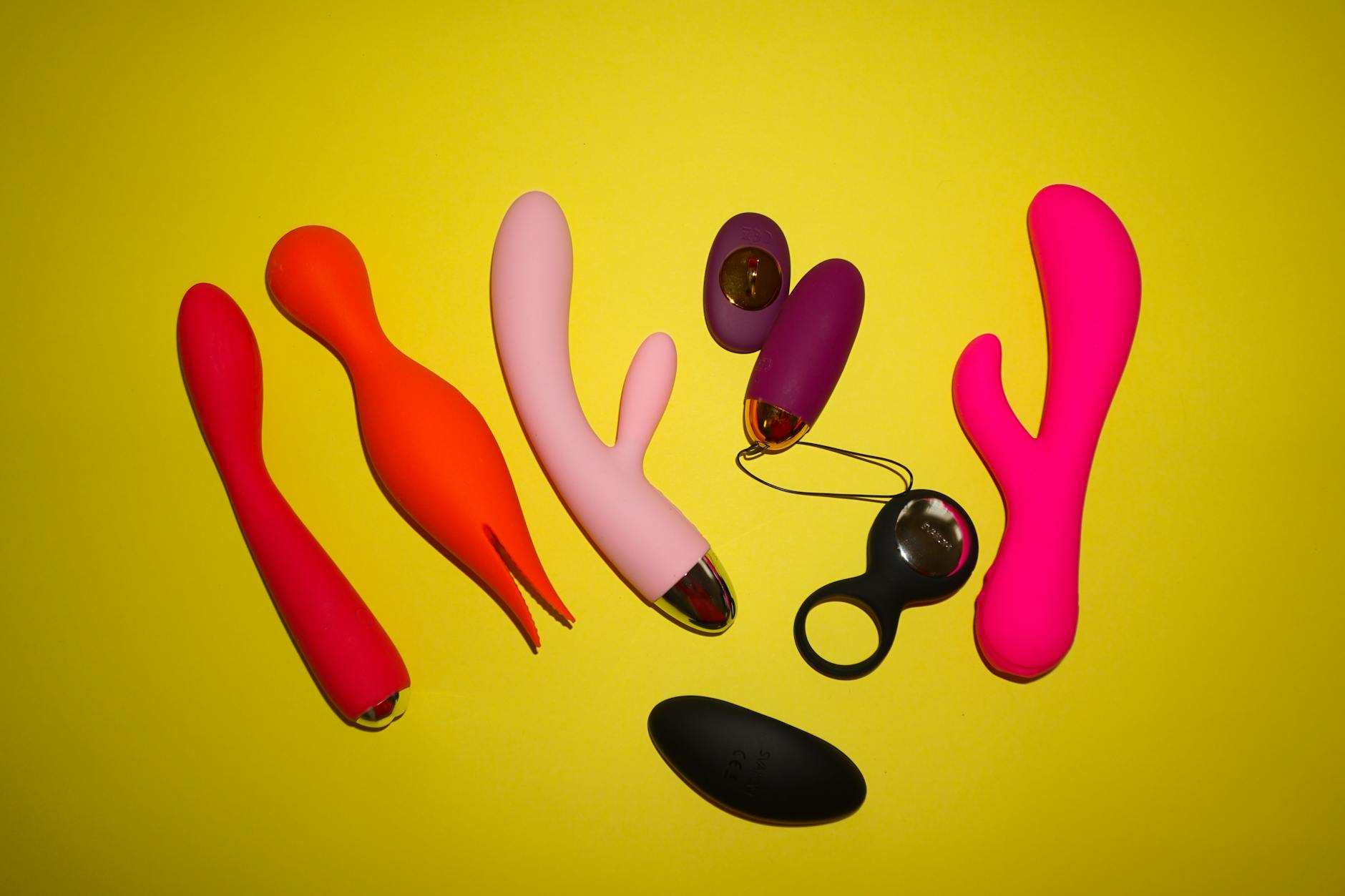
Wand vibrators are loud. They're effective. They're also built on a design that's been unchanged for decades: direct mechanical vibration against tissue. For most people, that works fine. For people with sensitive vulvas, post-menopausal tissue thinning, healing pelvic tissue, or heightened nerve sensitivity, wand vibration can feel like too much too fast, or frankly, uncomfortable.
Here's the thing: your tissue doesn't actually want to be vibrated at high speeds. What it wants is targeted, sustained stimulation that doesn't require friction to feel intense. That's where lemon vibrators work differently.
How suction-based lemon clitoral vibrators actually work
Instead of buzzing against tissue, a lemon vibrator creates gentle suction. Imagine the difference between someone tapping your arm repeatedly and someone placing their lips on your arm and gently pulling. Same nerve endings get activated, but the mechanism is completely different.
Here's the biomechanics. Your clitoris has roughly 8,000 nerve endings concentrated in a space the size of a pea. Those nerves don't live on the surface. Many sit deeper in the tissue, beneath layers of sensitive skin. A wand vibrator stimulates the surface layer at speed. A lemon vibrator draws blood into the clitoral tissue through gentle suction, which stimulates those deeper nerve clusters without any friction at all.
The sensation people describe is usually: "It feels like someone's mouth, but better." That's not poetry. That's accurate neurology. Suction mimics the muscular action of oral sex, which your nervous system recognizes as inherently pleasurable without needing to be jolted into it.
Why sensitive tissue responds to suction instead of vibration
Three reasons this matters for sensitive bodies:
1. No pressure buildup. Wand vibrators generate sustained pressure against tissue. For some people (especially those with vulvodynia, lichen sclerosus, or post-surgical sensitivity), that pressure becomes painful after a few minutes. Suction doesn't create pressure. It creates a gentle pulling sensation that dissipates naturally when the device is lifted.
2. Progressive intensity without impact. With a lemon vibrator, you control how much suction you experience by positioning. Tighter seal equals more suction. Looser contact equals less. You're never forced to experience more sensation than you want. Wand vibrators have intensity settings, but the sensation remains mechanical and jolt-like regardless of speed.
3. Arousal-responsive stimulation. As tissue becomes engorged with blood during arousal, the sensation from suction actually intensifies naturally. You don't need to turn up the setting. Your body does the work. With vibrators, tissue engorgement doesn't change the basic stimulus, so you end up turning up the intensity to chase a sensation that might have already shifted.
Photo by Ihsan Adityawarman on Pexels
The data on sensitivity and vibration tolerance
Research on vulvar pain conditions shows that high-frequency vibration (above 100 Hz) can actually desensitize nerves over time in people with existing sensitivity issues. It's called vibration-induced hypoesthesia. Your nervous system gets hammered and stops responding. A lemon vibrator typically operates in the 10-15 Hz range with suction pulses in between. You're activating the same nerves, but without exhausting them.
One study on people with decreased genital sensation found that suction-based devices outperformed traditional vibrators for orgasm achievement. The reason was simple: sustained pressure stimulated deeper tissue structures that wand vibration missed.
For people recovering from pelvic floor physical therapy or gynecological procedures, suction offers another advantage. Your pelvic floor muscles are already working hard to restore function. A traditional vibrator's impact can trigger protective muscle tension (guarding), which defeats the whole point of healing. Suction works with your relaxation response instead of against it.
Why lemon vibrators don't cause the same "numbness" problem
Wand vibrator users sometimes notice that after a few weeks or months, the device stops feeling as strong. They turn up the intensity, and eventually they're using the highest setting just to feel anything. This is real, and it has a name: sensory adaptation.
Your nerves literally stop responding to repetitive, predictable stimuli. It's a protective mechanism. If something keeps vibrating at the same frequency, your nervous system eventually decides it's background noise and stops paying attention. It's the same reason you stop noticing your watch band after ten minutes.
A lemon vibrator creates variability. The suction pulses, releases, and re-engages in a pattern that your nervous system continues to register as novel. You're less likely to develop tolerance because the sensation feels slightly different each time, depending on your arousal level, positioning, and how your body responds.
That's also why people with medication-related numbness (from antidepressants, hormonal changes, or diabetes) often find that a lemon clitoral vibrator works when traditional vibrators have stopped being effective. The suction targets deeper tissue and doesn't rely on surface nerve sensitivity.
Positioning matters more than power
With a wand vibrator, intensity is everything. You're either at a setting that works or one that doesn't. With lemon vibrators, positioning and contact pressure are the real controls.
Let me give you an example from my practice. A client with endometriosis-related pelvic pain had spent years unable to use any vibrator comfortably. Wand vibrators triggered pain. She thought vibration itself was the problem. When she tried a lemon vibrator with a light seal and gentle positioning, she had an orgasm for the first time in eighteen months. The difference wasn't the toy. It was that suction allowed her nervous system to engage without triggering protective pain responses.
This is especially helpful for people with hypervigilant nervous systems. If you've experienced sexual trauma, chronic pain, or anxiety around touch, your body can be primed to reject sensation as potentially threatening. Suction feels less aggressive than vibration. It invites participation rather than imposing stimulus.
The temperature and texture advantage
Most quality lemon vibrators are made from medical-grade silicone. Silicone holds temperature well, which means it can be warmed under warm water. Sensitive tissue actually responds better to warm contact than cold or room-temperature contact. A vibrator is typically plastic or metal. A lemon is soft silicone that you can warm, and that makes a real difference in comfort.
The texture also matters. Silicone is smooth but yielding. Plastic or metal is unyielding. For people whose tissue is already tender or thin, that yielding surface means contact doesn't feel like being pressed against something hard.
When to choose a lemon vibrator over a wand
If any of these apply, a lemon clitoral vibrator is likely to work better for your body:
- You have post-menopausal tissue thinning or low estrogen
- Traditional vibrators feel too intense or cause pain
- You're recovering from gynecological surgery or pelvic floor therapy
- You experience numbness from medication or hormonal changes
- You have vulvodynia, lichen sclerosus, or similar conditions
- You want stimulation that feels closer to partnered sex
- You've noticed tolerance building with your current vibrator
None of these mean vibration is wrong for you. But if wand vibrators have felt frustrating, uncomfortable, or ineffective, the physics of suction often explains why.
Getting started with suction
If you're trying a lemon vibrator for the first time and you have sensitive tissue, start at the lowest setting. The sensation will feel completely different from what you're used to, and different doesn't mean intense. Many people with sensitivity issues find that the lowest setting on a lemon vibrator is actually more than enough.
Use it with lubricant (water-based, always). Even though suction doesn't require friction, a bit of glide helps you adjust positioning without skin tugging. Start with a loose seal so you're experiencing light suction, not intense pulling. You can always increase contact pressure once you've learned what the sensation feels like.
The learning curve is real but short. Most people figure out what works for their body within a session or two. Once you do, the specificity of the sensation is impossible to miss.
People also ask
Do lemon vibrators work for everyone, or just people with sensitivity issues?
Lemon vibrators work for almost everyone. People without sensitivity often find they create more intense orgasms than traditional vibrators because they engage deeper tissue and allow for longer sessions without numbness. The suction mechanism is the difference, not the intensity setting.
Can you use a lemon vibrator if you have an IUD?
Yes. Internal IUDs sit well above the clitoral area. External clitoral stimulation from a lemon vibrator poses no risk. If you have a copper IUD, suction is actually gentler than vibration because there's no impact. Read more on using lemon vibrators safely with an IUD for full details.
How is suction different from what oral sex feels like?
Oral sex involves suction plus tongue movement, temperature variation, and wetness. A lemon vibrator provides the suction component without the others. For some people, that focused suction is actually more intense. For others, it's a useful alternative when partnered sex isn't available or when you want something slightly different.
Do lemon vibrators make traditional vibrators useless?
No. They're different tools. Some people use both depending on mood or sensation preference. A lemon vibrator is better for sustained sessions and sensitive tissue. A wand vibrator is faster and more portable. They're not competitors. They're options.
How long does it take to feel results with a lemon vibrator if you have sensitivity issues?
Most people notice a difference in comfort within the first or second use. Noticing a significant orgasm shift often takes 2-4 weeks as your nervous system adjusts to a completely different stimulus. Patience with this adjustment period matters more than expecting immediate results.
Is a lemon clitoral vibrator better for people on antidepressants?
Lemon vibrators are often more effective than traditional vibrators for people experiencing medication-related numbness because they target deeper tissue structures that surface vibration misses. That said, individual response varies widely. Some people find success with either. Others need to experiment to see which works better for their specific body.
The bottom line
Lemon vibrators don't work better than wand vibrators universally. But for sensitive tissue, healing tissue, or nervous systems that respond better to suction than vibration, they often make the difference between pleasure that works and frustration. The physics are simple: suction activates nerves without friction, without pressure buildup, and without the sensory adaptation that comes with sustained vibration.
If you've spent years thinking vibrators weren't for you, or that your body was broken because wand vibrators didn't work, consider that the problem might not be your tissue. It might be that your tissue has been waiting for a different kind of stimulus.
Have questions about which approach might work for your body? Let's talk.
Sources
- Komisaruk, B. R., Whipple, B., Crawford, A., Liu, W. C., Kalnin, A., & Mosier, K. (2002). Brain activation during vaginocervical self-stimulation in women with complete spinal cord injury. Journal of Neurology and Neurosurgery Psychiatry, 72(6), 736-740.
- Pauls, R. N. (2015). Anatomy of the clitoris and the female sexual response. Clinical Anatomy, 28(3), 376-384.
- Goldstein, A. T., Pukall, C. F., & Goldstein, S. W. (2009). When sex hurts: A woman's guide to understanding and overcoming sexual pain. Da Capo Press.
- Brauer, M., Laan, E., & ter Kuile, M. M. (2006). Sexual dysfunction in women with epilepsy: A review on prevalence, potential risk factors, and management. Seizure, 15(3), 171-183.