Let's talk about what we actually know
If you've spent five minutes researching lemon vibrators, you've probably seen intensity comparisons everywhere. More power. Stronger pulse. Maximum settings. The implicit promise is that the strongest lemon sucker will feel the best. That's not actually how human pleasure works.
I've worked with hundreds of people exploring their bodies with new tools. The pattern of stimulation matters more than raw intensity. And the sooner you understand why, the sooner you'll stop chasing the wrong feature.
The intensity myth
Here's what happens when you assume more power equals more pleasure. You buy a lemon vibrator with the highest intensity rating. You use it on high. It feels good for maybe thirty seconds. Then either you go numb or it becomes too much. You think something's wrong with you. There isn't.
Your nerve endings don't care about absolute power. They care about novelty and change. A pattern that shifts, rhythms that build, unexpected pulses. Those create sensation. Raw intensity just fatigues the nerves faster. This is why commercial marketing loves talking about intensity. It's easy to measure. It's harder to explain why a mid-range setting with a specific pattern can feel more intense than maximum power.
What a lemon clitoral vibrator's pattern actually does
The pattern is the pulse rhythm. Some lemon vibrators offer steady pulsing. Others offer waves. Escalating patterns. Combinations that shift. When you use a suction toy like the Hello Nancy Lemon model, the pattern is what creates that distinctive sensation that differs so sharply from traditional vibration.
Think of it like music. A single loud note versus a melody. You could play one note at maximum volume and it would technically be more intense. But it wouldn't be interesting. A pattern is a conversation between your body and the toy.
This is backed by research on sensory adaptation. Your nervous system gets bored fast if nothing changes. Pattern variation keeps you engaged. Intensity alone does the opposite.
Why your sensitivity matters more than the toy's power
Your body has maybe 8,000 nerve endings in the clitoris. These aren't all the same type. Some respond to light touch. Others to sustained pressure. Some to rhythm. Some to unexpected changes. A lemon vibrator working at 40 percent intensity with a shifting pattern can activate all of those simultaneously. Maximum power in one steady mode activates maybe one type.
That's why if you're sensitive to stimulation, a mid-range intensity with intelligent patterning will usually work better than a high-power device. The same logic applies if you have reduced sensation after menopause or certain medications. The pattern does the work. The intensity just supports it.
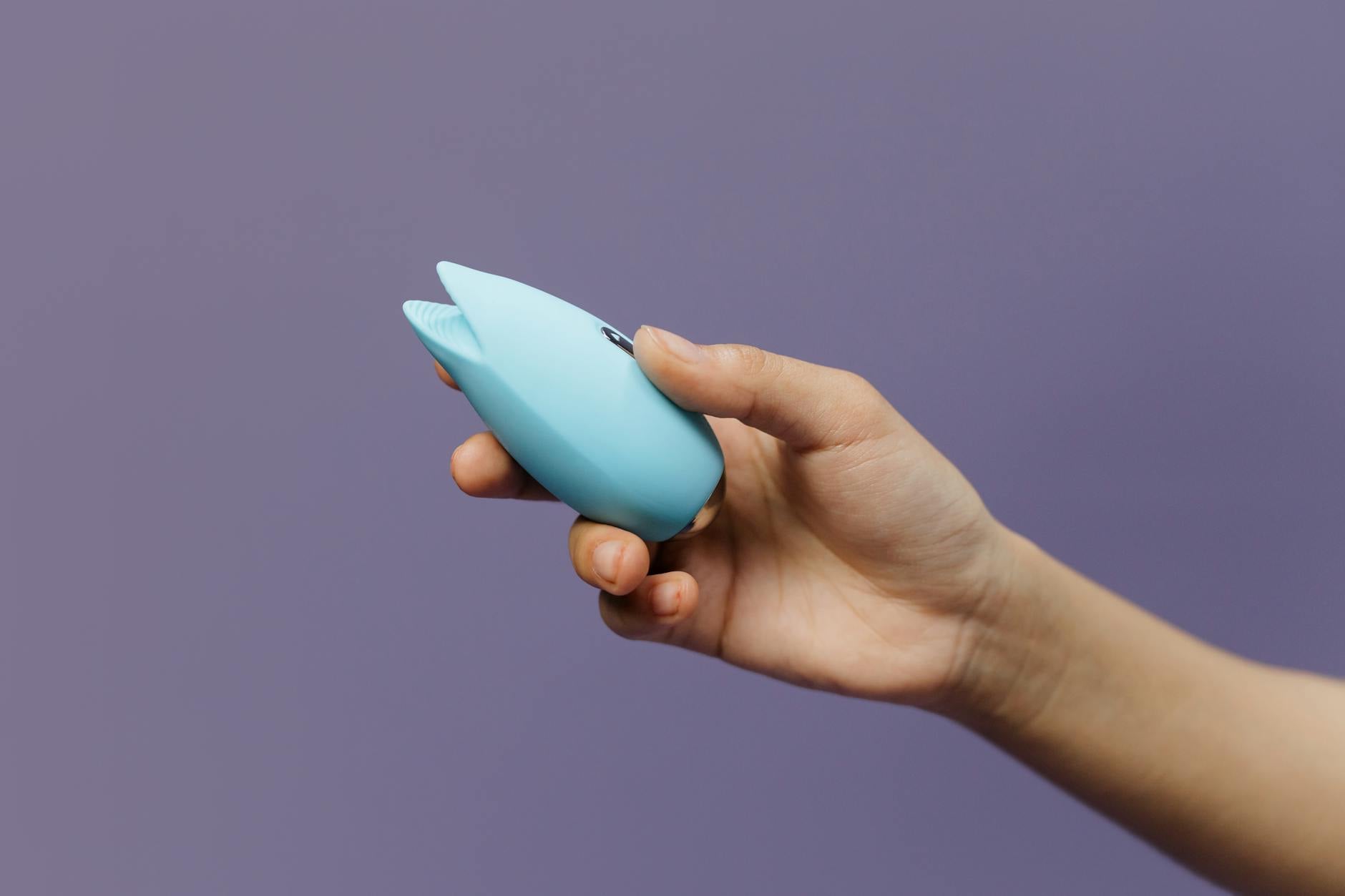
Photo by cottonbro studio on Pexels
How to test this yourself
If you already own a lemon vibrator, try this tonight. Start on low intensity, high pattern. Use it for two minutes. Notice what happens. Then switch to high intensity, steady mode. Use it for two minutes. Most people report that the first combination feels more alive. More complex. Closer to orgasm.
This isn't universal. You might be someone who needs sustained power. But most of us aren't. We're just trained by marketing to think intensity is the primary variable.
The beauty of a well-designed lemon clitoral vibrator is that it forces pattern to matter. Suction toys by design emphasize rhythm over raw power. You can't brute-force your way through a pattern you don't like. The toy won't let you. That's actually a feature, not a limitation.
Combining intensity and pattern for your body
Here's the framework I use with clients who are learning their preferences.
Start with low intensity and try every pattern option. Don't move to medium until you've spent time at low. Sounds tedious. It matters. You're building sensitivity, not chasing numbness. Once you know which patterns feel interesting at low, go to medium intensity with the same patterns. You'll usually find one or two combinations that hit a sweet spot. That's your baseline.
Only after you've mapped low and medium should you explore high. And here's the thing: most people find they rarely need it. High intensity is useful for about 5 percent of situations. When you're chasing a specific type of sensation. When you're tired. When your body's just not cooperating that day. Not as the default.
The person who understands their lemon vibrator's pattern options will have a way more satisfying time than someone who just cranks the highest setting and hopes.
Why couples get this wrong
If you're using a lemon sucker with a partner, there's often pressure to use high intensity because the person wielding it thinks "more powerful equals better." Usually the opposite. Medium intensity with conscious pattern choices creates better sensation and more communication.
When you're using a lemon vibrator with a partner, talk about pattern preference before you talk about intensity. Ask what rhythm feels good. Then layer in intensity only if the pattern alone isn't enough. This also keeps the experience from getting numb or desensitized, which happens quickly with high power.
The specific advantage of suction toys
Lemon vibrators and similar suction-based clitoral vibrators have an inherent advantage here. The suction mechanism itself provides sensation variation that vibration alone doesn't. This means even at lower intensities, the pattern creates richness. You're not fighting against a toy that needs to be on high to be interesting.
This is why so many people who've compared lemon vibrators to traditional clitoral vibrators report that the lemon model feels more satisfying even at lower settings. The pattern and the mechanism work together. You're not compensating with power.
What about numbness and desensitization
If you use a lemon vibrator exclusively on high intensity, you will eventually get numb to it. This is not a personal failing. It's neurology. Your body adapts. The sensation diminishes. Then people assume they need an even more powerful toy. Wrong direction.
The fix is pattern rotation and intensity variation. Spend a week using medium intensity with rotating patterns. Your sensitivity usually comes roaring back. This is why having pattern options matters so much more than having one incredibly intense setting.
The final word
Intensity is the headline feature. Pattern is the actual feature that creates pleasure. This might feel like a small distinction, but it changes everything about how you use a lemon vibrator. You stop chasing the next stronger toy and start exploring the one you have. You stop assuming your body's broken when max power stops working. You start thinking about rhythm and novelty instead.
Your clitoral vibrator is not a power tool. It's an instrument. And like any instrument, it's the music that matters, not the volume.
People also ask
Can a lemon vibrator's intensity setting ever be too high?
Yes, absolutely. If you're experiencing numbness, soreness, or loss of sensation after use, your intensity is likely too high. Back off to medium and give your tissues a break. If the soreness continues, dial back even further. A good lemon clitoral vibrator should feel amazing, not raw.
Does pattern preference change over time?
It can. Your nervous system adapts. You might find that a pattern you loved six months ago now feels boring. This is normal. It's why exploring the full range of pattern options on your lemon vibrator matters. You'll have a library of sensations to rotate through. It also keeps you from getting stuck in desensitization.
Is there a "best" intensity level for solo exploration?
Not universally. Most people find their sweet spot somewhere in the medium range, with specific patterns. Starting low and working up helps you discover this without overshooting. The best intensity is the one where the pattern feels interesting and you could happily use it for 20 minutes without numbness.
How do I know if I have reduced clitoral sensitivity?
If you're having trouble reaching orgasm, or orgasms feel muted, reduced sensitivity might be the issue. This can happen for lots of reasons: certain medications, hormonal shifts, pelvic floor tension, or just fatigue. Using a lemon vibrator with reduced sensitivity is totally manageable. Pattern variation and mid-range intensity usually work better than chasing maximum power.
Should I always start on the lowest intensity?
Yes, when you're first learning a toy or trying new patterns. Once you know your baseline, you can skip the ultra-low settings. But those first explorations at low intensity teach your body what to expect. It's worth the five minutes.
Can I damage my lemon vibrator by using it on high intensity all the time?
Probably not damage the toy. You might damage your body's responsiveness to it through desensitization. The real cost is that you'll stop feeling it. Switch up your intensity and patterns frequently. Your pleasure will thank you.