Let's start with the honest part
If you've had a reaction to a vibrator before, you're not broken. Your skin isn't "too sensitive." You were probably using something that wasn't actually body-safe, even if it claimed to be. The difference between a cheap plastic vibrator and medical-grade silicone is the difference between an itchy rash and hours of pleasure without a second thought.
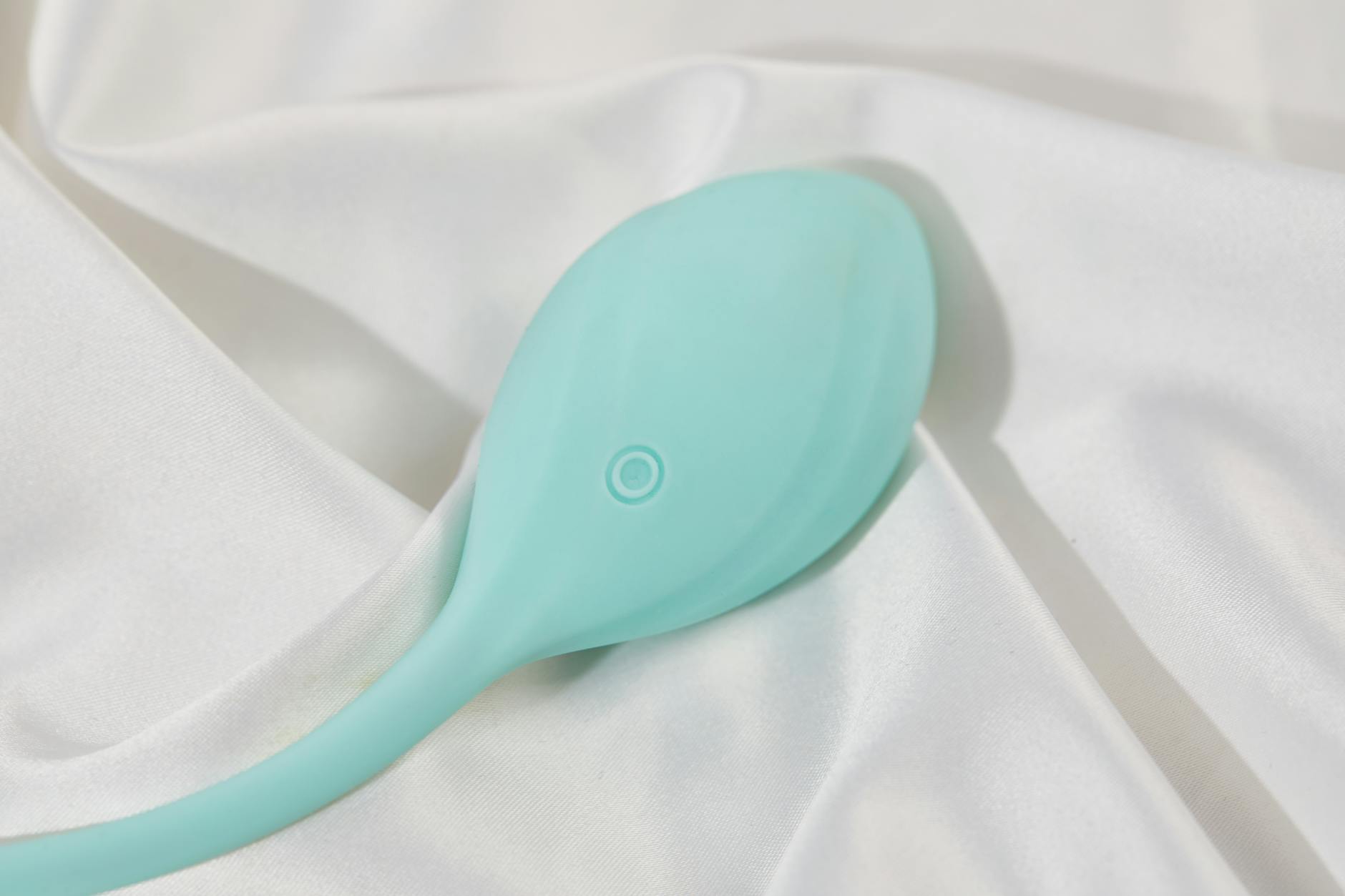
Here's the thing: most vibrators on the market aren't made from materials that should touch skin. They're porous, they trap bacteria, and they're often mixed with phthalates and other chemicals your body doesn't need. A lemon vibrator made from proper silicone, by contrast, is non-porous, non-toxic, and totally safe for sensitive skin.
What "body-safe" actually means
Body-safe is not a regulated term, which is frustrating. But here's what it should mean: the material touching your skin is non-porous, non-toxic, and won't break down or leach chemicals when you use it.
The gold standard is medical-grade silicone. Real medical-grade silicone is:
- Non-porous, so bacteria and viruses can't hide inside the material
- Hypoallergenic, meaning it doesn't trigger allergic reactions for most people
- Temperature-stable, so it won't degrade in your toy drawer or your body
- Latex-free and phthalate-free, which matters if you have sensitivities
ABS plastic, TPE (thermoplastic elastomer), and PVC are what you want to avoid. They're porous, they degrade over time, and they often contain plasticizers like phthalates that leach into your body. A lot of cheaper vibrators use these because they're cheaper to manufacture. That's the only reason.
Why material choice matters for sensitive skin specifically
If you have sensitive skin, vulva sensitivity, or a history of reactions to toys, the material is literally everything.
When you use a porous toy, tiny bacteria live inside the material. Every time you use it, you're introducing those bacteria to your most delicate tissues. Even if you wash it, you can't get into the pores. Over time, this can trigger irritation, infections, or allergic reactions that have nothing to do with how your body works. It's chemistry.
A non-porous silicone lemon vibrator, by contrast, washes clean. Soap and water, or a toy cleaner designed for silicone, and you're done. No bacteria hiding. No leaching chemicals. Just clean silicone against your skin.
Another consideration: if you use water-based lubricant (which most people should), some materials absorb it and become sticky and uncomfortable. Medical-grade silicone doesn't absorb anything. It stays smooth and glides beautifully. This alone makes a massive difference in comfort, especially for sensitive skin.
How to spot actually body-safe silicone
Here's where to look on a product page:
The label should say "medical-grade silicone" or "healthcare-grade silicone." If it just says "silicone," ask the brand. There's a difference between silicone that's okay for kitchenware and silicone that's meant for your body.
The brand should disclose materials completely. If they say "silicone" but won't tell you about the motor housing, battery, or other components, that's a red flag. A trustworthy brand lists everything.
It should pass the sniff test. Literally. Medical-grade silicone has a very faint or no smell. Cheap toys often have a plastic smell that lingers or gets stronger when warm. That smell is off-gassing, which means chemicals are leaving the material.
Look for certifications if they exist. Some brands get their silicone tested independently. This isn't required, but it's reassuring. At minimum, a good brand should be able to tell you the origin of their silicone.
The lemon vibrator difference
A quality lemon clitoral vibrator, designed with body-safe silicone from the start, checks every box. The shape is ergonomic and smaller, so there's less material touching your skin and less risk. The silicone is soft against your most sensitive tissues. Air-pulse technology, which many lemon vibrators use, means you're not getting aggressive mechanical vibration that can irritate sensitive skin.
When you're choosing between a cheap vibrator and a body-safe one, think about it like this: you wouldn't buy the cheapest sunscreen for your face. Your vulva deserves at least as much care.
Care tips for sensitive skin and silicone toys
Once you have a body-safe toy, keeping it clean is simple but important.
Before first use and between sessions: wash with warm water and a tiny bit of mild soap, or use a toy cleaner. Rinse thoroughly and pat dry. This takes 30 seconds.
Storage: keep it in a clean pouch away from extreme heat or cold. Medical-grade silicone is stable, but it doesn't love being in a hot car for hours.
Lubrication: water-based lube is always safe with silicone. Don't use silicone-based lube, because it can break down silicone over time. Oil-based lubes are also a no.
Inspection: every few months, feel the surface for any cracks, stickiness, or changes in texture. Medical-grade silicone lasts for years, but it's worth checking.
If you do develop a reaction, it's probably not the toy itself. It might be a lubricant, a battery covering that's degrading, or an underlying infection. But if you're using actual medical-grade silicone and proper water-based lube and you're still reacting, it's worth talking to a gynecologist.

Photo by kaboompics.com on Pexels
Why cheaper doesn't equal better value here
I know a $30 vibrator is tempting. But if it causes irritation, dermatitis, or an infection, you're now spending money on medical visits or creams. You're also developing anxiety around the experience, which costs you in different ways.
A body-safe silicone lemon vibrator costs more upfront because the material costs more and the manufacturing process is more controlled. But it lasts longer, feels better, and doesn't trash your skin. That's actually the better deal.
The bottom line
If you have sensitive skin, the first question to ask isn't "which vibrator?" It's "what's it made of?" Material is non-negotiable. Everything else follows from that. Once you know you're using medical-grade silicone, you can relax into the experience without worrying about what's touching you.
Your pleasure matters. So does the stuff you put on your body. Choose the body-safe option. You'll feel the difference immediately.
People also ask
Is all silicone body-safe for use as a clitoral vibrator?
No. Only medical-grade or healthcare-grade silicone is truly body-safe. Other silicone formulations can contain additives or plasticizers that aren't meant for sensitive tissue contact. Always check the brand's material disclosure.
Can a silicone lemon vibrator cause an allergic reaction?
Medical-grade silicone is hypoallergenic, but some people do have reactions. These are usually to other components of the toy, like the motor housing or battery cover, not the silicone itself. If you react to everything silicone, talk to your doctor about possible latex or chemical sensitivities.
How do I know if my vibrator is really body-safe or just labeled that way?
Ask the brand directly. A trustworthy company will tell you exactly what material they use, where it comes from, and whether it's been tested. If they're vague or defensive, that's a sign they're not transparent about what they're selling.
Can I use silicone lube with a body-safe silicone vibrator?
No. Silicone lube breaks down silicone toys over time. Stick to water-based lube, which is safe and washes off easily. It's the best pairing.
What's the difference between a lemon vibrator and other clitoral vibrators for sensitive skin?
Lemon vibrators often use air-pulse technology rather than standard vibration, which can feel gentler on sensitive tissues. The smaller, compact shape also means less material coverage. But the key factor for sensitive skin is still the silicone quality, regardless of design.
How long does a body-safe silicone vibrator last?
With proper care, several years. Medical-grade silicone doesn't degrade the way cheaper materials do. The battery will eventually wear out, but the silicone itself stays safe and functional. You're making a longer-term investment.
For more on selecting the right tool for your body, check out our guide to clitoral vibrators, which covers shapes, materials, and finding what works for you. And if you have questions about your skin or any reactions, reach out to us at /contact or talk to your gynecologist.