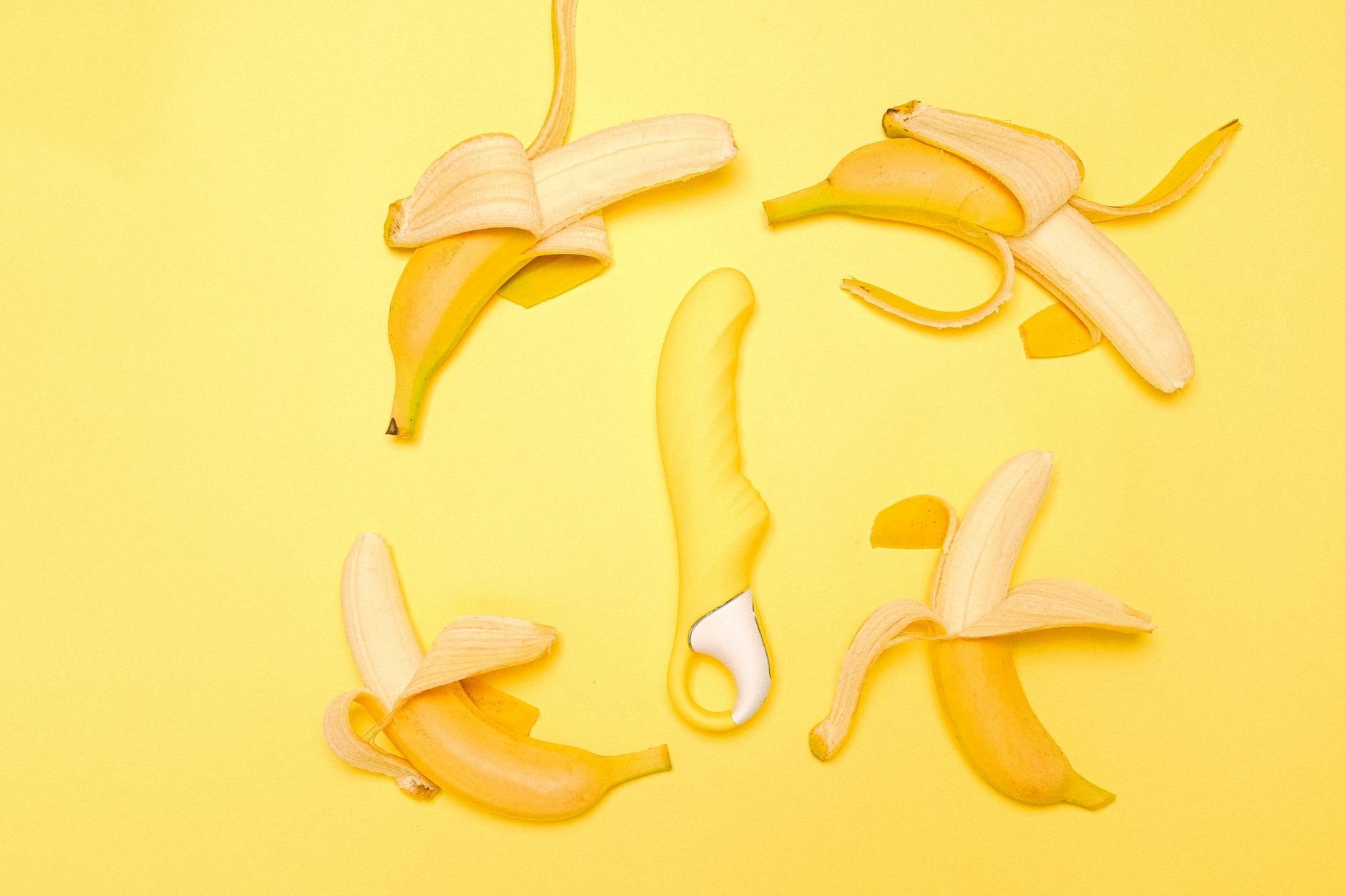
How to Use Lemon Vibrators When Your Body Feels Unpredictable During Perimenopause
Perimenopause is chaos. Not the sexy kind. The kind where your body wakes up doing things it didn't do yesterday, stops doing things it did last week, and gives you no warning about any of it.
One day your clitoris is so sensitive you can barely touch it. Three days later it feels like you're touching it through a wool blanket. Your arousal might arrive on a predictable schedule for your entire life, then suddenly show up whenever it wants, or not at all. You're sweating through your shirt at 3 a.m., but your libido has apparently moved to a different apartment. And just when you think you've figured out what your body needs, everything shifts again.
This is perimenopause. It's the 5-10 year transition before your period actually stops, and it's where most of the confusion about sexuality and aging gets tangled up.
Here's the thing that usually gets lost in the conversation about pleasure during perimenopause: your body isn't broken. It's just sending mixed signals. And the right tools (like lemon clitoral vibrators from Hallo Nancy Lem) can help you stay in touch with pleasure even when your body feels like a stranger.
What Perimenopause Actually Does to Sensation
Your ovaries are basically shutting down the shop gradually. This means estrogen levels are bouncing around like a pinball machine instead of following the smooth wave you've known for decades. Some days your levels are high. Some days they crash. Your body never knows which one it'll be.
This hormone roller coaster hits sensation first. Estrogen isn't just about fertility. It keeps the tissue in and around your vulva thick, well-hydrated, and responsive. As estrogen bounces, so does the blood flow to your clitoris. Some days you're hypersensitive. Some days you're numb. And yes, both can happen in the same week.
Your brain gets confused too. The neural pathways that send arousal signals are still fine, but they're trying to work with hormones that keep changing the rules. It's like your brain is a DJ playing the same song, but the speakers keep unplugging themselves.
The clitoris itself doesn't change. The 8,000 nerve endings are still there. The capacity for pleasure is still there. What changes is access to it. Inconsistent access. Wildly inconsistent access.
Why Lemon Vibrators Work When Sensation Feels All Over the Place
Most vibrators rely on intensity to trigger sensation. If your sensitivity is already unpredictable, a standard vibrator's assault of buzziness can feel either like overkill or like nothing at all, depending on the day.
Lemon clitoral vibrators (like the Lem from Hallo Nancy Lem) use suction and pulsing instead of raw vibration. This matters a lot when you're in perimenopause.
Suction-based stimulation works differently than vibration. It creates a consistent, gentle pressure that doesn't require your tissue to be at peak sensitivity to register pleasure. You're not relying on sensation that might be there or might have ghosted you this week. You're using a different channel entirely. The sensation travels through a different set of nerve pathways, which means it bypasses some of the confusion happening with your estrogen fluctuations.
This is why so many people in perimenopause report that lemon sexual toys feel more reliable than the vibrators they've used for years. You're not chasing sensitivity. You're working with a tool that doesn't require the same setup.
Navigating the Hypersensitivity Days
Some mornings you wake up and your clitoris is firing on all cylinders. Touch it and everything lights up. This feels great for about 30 seconds, then it feels like too much. This is a real perimenopause experience, and it sucks because you want to lean into the arousal but your body is screaming "stop".
On these days, start with the lowest setting on your lemon clitoral vibrator. If you have the Lem, this might be pattern 1 or 2. Don't assume you need intensity because you're feeling responsive. Responsive doesn't always mean "wants pressure".
Suction works beautifully here because you can use it intermittently. Use it for 10-15 seconds, back off, breathe, return to it. You're not committed to continuous stimulation the way you would be with a wand or bullet vibrator. The pulsing rhythm gives your nervous system a beat to follow without overwhelming your already-firing clitoris.
If you still feel like it's too much, take a break. No shame in that. Your pleasure isn't going anywhere. It'll be back tomorrow, possibly in a completely different form.
The Numb Days (and How to Work With Them)
The opposite problem hits harder, honestly. You sit down ready for sex and you literally cannot feel your clitoris. Not "feel it less". Cannot feel it. It's like sensory deprivation in one small area while the rest of your body is normal.
This is where perimenopause gets demoralizing. Because you remember feeling everything. You remember what this is supposed to feel like. And now there's nothing.
Here's what actually helps: acknowledging that waiting for sensation to return on its own is usually a trap. You're lying there, concentrating harder and harder, getting more frustrated, and your brain is now adding "this is broken" to the pile of things your body is doing.
Without pressure, try the lemon adult toy at a medium intensity (pattern 3-5 if you're using the Lem). Let it work for a minute without expecting to feel a firework moment. Just let it do its thing.
This is the moment when many people discover that pleasure is still there, just quieter. You might not feel the intensity you're used to, but you might feel a gentle buildup starting. It's patience work. It's not sexy. It's necessary.
If nothing arrives after 5-7 minutes of patient attention, stop. Your sensitivity might not be ready today. But you've just taught your body that you're showing up for it anyway. That actually matters for rebuilding confidence, which matters for rebuilding arousal over weeks and months.
Lubrication Is Your Secret Weapon During the Transition
Even if you've never needed external lubrication before, perimenopause changes that calculation. Your natural lubrication gets thinner and less reliable right alongside everything else.
Use a water-based lube with your lemon vibrators. Not because you're broken, but because thinner tissue benefits from it. Lubrication reduces friction, which lets you use your lemon clitoral vibrator for longer without soreness, and it actually increases sensation in a paradoxical way.
When tissue isn't getting micro-abraded by friction, it can actually feel more. So lube isn't the consolation prize here. It's part of the tool.
Building a Pleasure Routine When Your Body Won't Cooperate
The biggest mistake people make during perimenopause is treating pleasure like it's optional. As soon as it gets complicated, it disappears from the schedule entirely. Work, kids, sweating at night, forgotten desire. Then six months go by and you haven't touched yourself or let anyone touch you, and suddenly you're wondering if you've lost this part of yourself forever.
You haven't. But you do need to build it back in, deliberately, the way you'd build in exercise.
Commit to using your lemon sexual toy once a week, no pressure to orgasm. Just exploration. Just showing your body that pleasure is still part of your life even though everything else is changing. Some weeks you'll have a mediocre experience. Some weeks you'll have a great one. Both are information. Both are you staying connected to yourself.
When to Check In With a Doctor
If perimenopause is hitting your pleasure hard, it's worth talking to a provider who specializes in menopause. Not all of them do. But the ones who do can talk through whether hormone therapy, topical estrogen creams, or testosterone therapy might help you feel more like yourself.
You don't have to white-knuckle through perimenopause. Medication exists. It's underused, especially in people who are younger in this transition. A good provider can help you figure out if hormonal support makes sense for you.
Also, if pain shows up during or after using your lemon clitoral vibrator, tell someone. Sharp pain, persistent soreness, anything that doesn't feel normal. That's not a sign to give up on pleasure. That's a sign to get some support.
The Plot Twist About Perimenopause and Pleasure
Here's what nobody tells you: some people emerge from perimenopause with better orgasms than they had before. Not because their body is better. Because they've given themselves permission to figure out what actually works. They've stopped performing sex from a script their brain wrote 20 years ago. They've gotten curious instead of rigid.
Perimenopause can be the beginning of your best sexual era if you stay with yourself through the confusing part. Lemon clitoral vibrators help because they're designed for exactly this unpredictability. They work when sensation is high. They work when sensation is low. They don't require you to be at peak performance.
Your body is changing. Your pleasure doesn't have to disappear. You just need tools that flex with you. That's where Hallo Nancy Lem comes in.
FAQ
How often should I use a lemon vibrator during perimenopause?
Once a week is a solid baseline for staying connected to your body, but listen to yourself. If twice a week feels energizing and you're enjoying it, go for it. If once a month is all that fits, that's still way better than nothing. The goal isn't frequency. It's consistency. One pleasurable experience a week beats zero experiences a month because you're waiting to feel "normal" again.
Can lemon clitoral vibrators actually help with hormonal fluctuation?
They don't fix your hormones. Nothing you buy can do that. But they work around the problem. Suction-based stimulation engages different nerve pathways than vibration does, so even when your estrogen is doing backflips, you've got another way in. Think of it like having two different roads to the same destination. When one is blocked, the other still works.
Is it normal to need lube when you never did before?
Completely normal. Your tissue is changing. Thinner, less blood flow, less natural lubrication. This isn't a sign of dysfunction. It's just your body aging. Every person eventually hits this point. For some it's perimenopause. For others it's menopause proper. For some it's sooner. Use the lube. Feel better. Move on.
What if I can't orgasm at all during perimenopause?
Take the pressure off the outcome. Orgasm is the goal when your body is predictable. During perimenopause, the goal is sensation. The goal is feeling something. The goal is showing up. If you chase the orgasm you used to have, you're racing toward disappointment. If you're curious about what pleasure feels like today, you might actually find it. Then orgasm can surprise you instead of eluding you.
Should I try hormone therapy before using a lemon vibrator?
These aren't either-or. You can use both. Some people find that hormone therapy stabilizes their sensation enough that they can feel pleasure again. Some people use lemon sexual toys to bridge the gap while they figure out if therapy is right for them. Talk to a provider about what makes sense for your situation. In the meantime, your lemon clitoral vibrator doesn't require a prescription.
Does perimenopause last the whole time until my period stops?
Yes. That's kind of the definition. Perimenopause is the transition, which typically lasts 4-10 years depending on your body. Your actual menopause is the moment you've gone 12 months without a period. Everything before that is perimenopause. It's a long chapter. Staying connected to pleasure during it isn't indulgent. It's self-maintenance.
Perimenopause is a transition, not a problem to solve. Your body is changing, but it's still capable of pleasure. It just needs you to pay attention, stay curious, and use tools that work with your changing sensation instead of against it. That's where the Lem from Hallo Nancy Lem comes in. It's designed for exactly this kind of unpredictability.
Your pleasure matters. Even when everything else is shifting. Especially then.