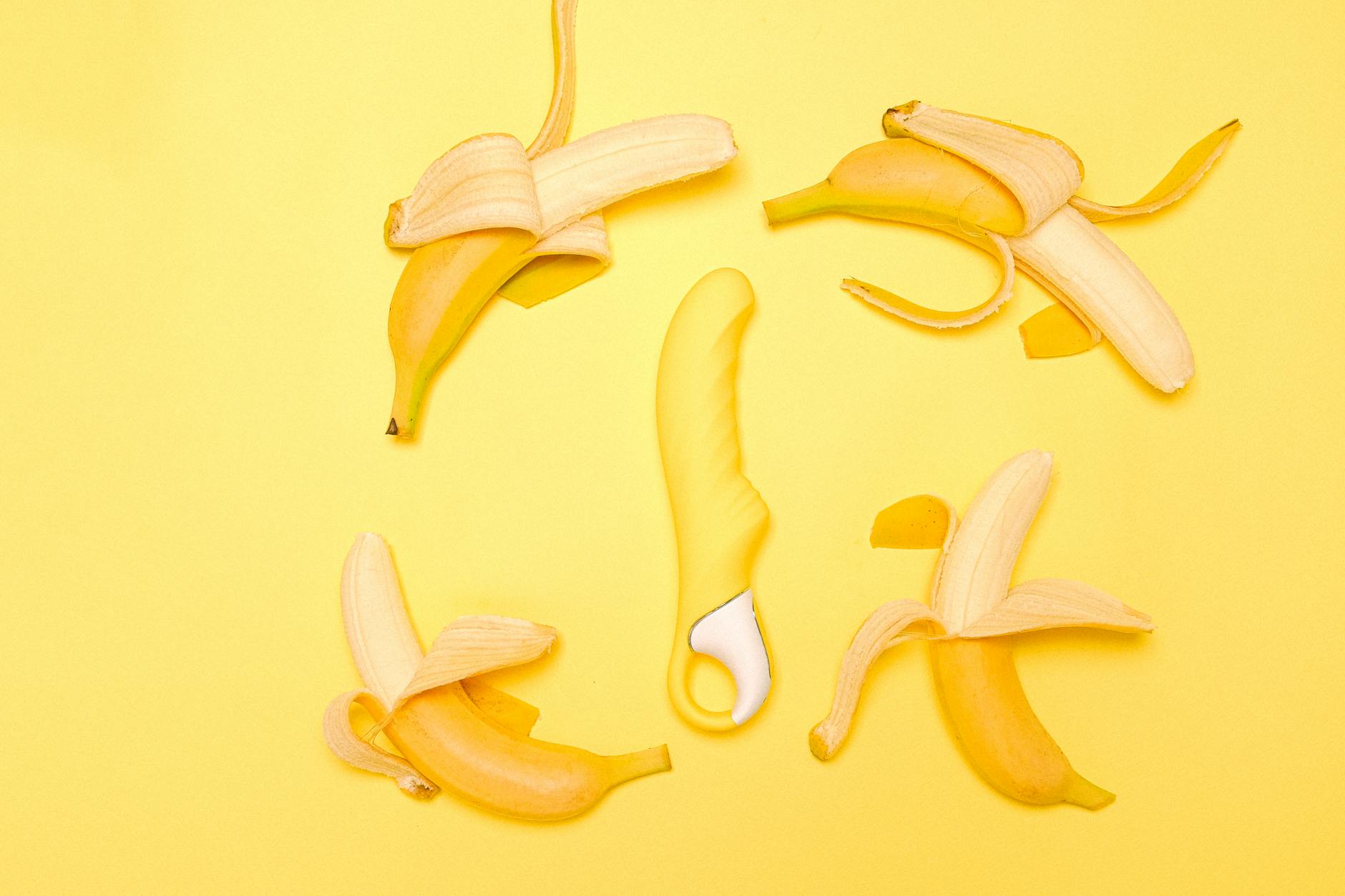
Let's name the thing nobody talks about
You want pleasure. You don't want to risk getting hurt again. These two wants feel mutually exclusive, but they're not. The gap between them is where a lot of people get stuck.
After betrayal, rejection, or just a long season of not trusting yourself to choose well, opening up to another person can feel like handing someone a weapon. So you don't. And then pleasure becomes a thing that happens only with someone else. Which means no pleasure at all.
Here's what I tell my clients in this exact spot: your body's capacity for sensation has nothing to do with your emotional defenses. You can experience real, full pleasure without letting anyone into the parts of you that are still healing.
Why emotional walls make solo pleasure harder
There's a thing that happens when you've been hurt. Your nervous system gets into the habit of scanning for threat even in totally safe moments. You're alone, nobody's watching, and still. Your brain keeps the door half-closed.
This looks like distraction (your mind keeps wandering to something you did wrong three years ago), numbness (the sensations are there but they don't feel like much), or what I call "performative pleasure." You go through the motions, imagining someone else watching, rating, judging. You turn yourself into an audience for your own experience instead of actually inhabiting it.
With a lemon vibrator or any other tool, the goal isn't to perform. The goal is to feel.
The actual mechanics of reconnecting
Start where you are, not where you think you should be.
If sensation feels muted, that's information, not failure. Your body's throttling intensity because part of you isn't ready to feel much. Don't override that. Work with it. Lemon clitoral vibrators like the Lem work really well here because you can start at the gentlest settings (patterns 1 and 2) and stay there as long as you need to. There's no rush.
Spend three to five sessions just on low intensity. Don't chase orgasm. That puts you right back into performance mode. Instead, notice small things. Notice where you feel more sensation and where you feel less. Notice if certain patterns or pressure feel good versus overwhelming. This is data about what YOUR body actually enjoys, separate from what you think you should enjoy.
One of my clients called this "the archaeology phase." You're digging through layers to find what's still you underneath the hurt. It takes time, but it's worth it.
Creating actual safety, not pretend safety
Safety isn't about being alone. It's about knowing you have control.
With a partner, safety gets murky fast. You have to trust them, manage their feelings, predict what they'll do with what they learn about you. That's a lot of labor. Solo pleasure removes that burden entirely.
When you're using a lemon vibrator by yourself, you control every variable. Speed, intensity, rhythm, when to start, when to stop, whether to keep going or take a break. You're never negotiating or accommodating. You're never performing.
This is actually healing. Your nervous system learns: I can experience pleasure. I can manage my own pleasure. I don't need anyone else's permission or validation for this to count.
How to stay present when your brain wants to time-travel
Intrusive thoughts are the worst enemy here. You're in the middle of something good and suddenly you're replaying a conversation from 2019.
There are three practical fixes.
First, name what you notice without judgment. Your brain is doing what it's trained to do. It's scanning for threat. That's not weakness. Say it: "My brain is worried. That makes sense. And right now, I'm safe. My body is here. Let me come back." Then refocus on sensation.
Second, use your senses to anchor yourself to the present moment. Before you start, deliberately notice five things you can see (the color of your room, the light from the window), four things you can touch (the sheet, the pillow, the temperature of the air), three things you can hear. This is a grounding technique, and it works.
Third, if your mind keeps escaping, use that as a signal to change what you're doing. Switch patterns on your lemon vibrator. Change position. Open your eyes if you had them closed. Sometimes a tiny shift is enough to pull you back.
What you're training is not toughness. It's the capacity to be present with yourself. That skill transfers everywhere.
Building trust with your own body first
This one gets lost in the noise about healing and vulnerability. Here's what I mean: after betrayal, you don't just stop trusting other people. You stop trusting yourself. Your judgment feels broken. Why would you want to listen to what your body is asking for when your body apparently led you straight into disaster?
Solo pleasure is how you rebuild that conversation with yourself.
Your body is not the enemy. Your body didn't choose a bad partner. Your body knows what feels good. Your body knows when something is too much. Your body can be trusted. It just needs evidence.
Every time you use a lemon clitoral vibrator and listen to what feels right, you're giving your body that evidence. You're relearning the language. You're proving to yourself that your instincts aren't broken. They were just overridden for a while.
The pleasure path that doesn't require a partner
Let me be direct about something. You don't have to move toward partnered sex while you're healing. A lot of relationship coaches will tell you that to fully heal, you need to be able to be vulnerable again. That's partly true. But here's what's also true: you can have a full, rich sexual life that's just for you for as long as you need. Solo pleasure is not a stopgap. It's legitimate.
Using lemon vibrators for solo pleasure is not what you do while you wait for real intimacy. It IS real intimacy. The person you're most intimate with is yourself. The person whose pleasure matters most is yours.
When you're ready to involve another person, that will be a choice you make from a place of actual desire, not desperation or a sense of obligation. And that's when it actually works.
What to expect in the first month
Week one and two are usually the "nothing's happening" phase. You might feel a little something, or you might feel almost nothing. Your nervous system is still skeptical. That's fine.
Week three is often when people report the first real shift. You notice something that actually feels good. Not earth-shattering. Just good. That matters more than you'd think.
Week four and onward, things start to build. Your body relaxes into the fact that this is safe. Sensation deepens. Pleasure feels less like an achievement and more like a basic fact of being alive.
Don't measure progress by orgasms. Measure it by presence. Can you stay with yourself for 15 minutes without your brain hijacking the experience? That's the win.
FAQs
Is solo pleasure with a vibrator "real" pleasure if there's no one else involved?
Completely real. The intensity and authenticity of your pleasure don't depend on an audience or a partner. In fact, solo pleasure is often more genuine because there's zero performance involved. You're not managing anyone else's expectations or insecurities. It's just you and sensation. That's as real as it gets.
What if I feel guilty about using a lemon vibrator on my own?
Guilt is usually a signal that you absorbed a rule that isn't yours. Somewhere, you learned that pleasure should be coupled, that it should be for someone else, that solo pleasure is selfish or "less than." Those are lies. Your pleasure is not a limited resource. Enjoying your body doesn't take anything away from a future partner. If anything, it proves you can be trusted to know what you want.
How long before I feel like pleasure again?
It varies wildly. Some people reconnect in weeks. Some people take months. What matters is consistency, not speed. Using your lemon clitoral vibrator twice a week is better than intense sessions twice a year. Your nervous system learns through repetition that this is safe and that you're trustworthy.
Can lemon vibrators help me rebuild confidence in my body?
Absolutely. The Lem and other lemon vibrators are designed with range and control, which means you can explore sensation at your own pace. The more you use it, the more you learn about what your body enjoys. That information is powerful. It's the foundation of sexual confidence, and sexual confidence carries into everything else.
What if I start using a vibrator and it brings up grief or anger?
That's actually normal and even healthy. Pleasure is connected to emotion. If you're reconnecting with sensation after years of numbing or shutting down, big feelings can come up. Let them. Cry if you need to. Pause and come back another day. Your job isn't to push through. Your job is to stay with yourself. If the feelings get too big, that's a sign to work with a therapist alongside your solo exploration.
Is there a "right" way to use a lemon vibrator when you're healing from emotional hurt?
No. There's only the way that feels right for your body and your pace. Some people prefer silence. Some play music. Some light a candle. Some use the vibrator for five minutes. Some use it for thirty. Some orgasm every time, some never do. All of it is correct. The only thing I'd push back on is speed. Give yourself longer than you think you need. Healing from emotional walls takes time.
Your pleasure, on your terms
The work you're doing by choosing solo pleasure isn't frivolous. It's you telling your body, your nervous system, and yourself: I'm worth this time. My pleasure matters. I can be trusted. I can feel good even when I'm building trust slowly.
That's the whole thing, really. It's not about the lemon vibrator. It's about you remembering that you deserve to feel good, and that you don't need permission to claim that. If you want to talk through what pleasure looks like for you specifically, reach out. That's what we're here for.