Let's talk about the dryness that lube alone won't fix
You've added lubricant. You've used water-based, silicone-based, even hybrid blends. And your body still feels dry, tight, or uncomfortable during sex. The automatic response is to buy more lube or blame yourself for not being aroused enough. But here's what I've learned working with hundreds of couples navigating this exact problem: persistent dryness despite lubrication usually means something physiological or emotional is running underneath, and no amount of added moisture will solve it alone.
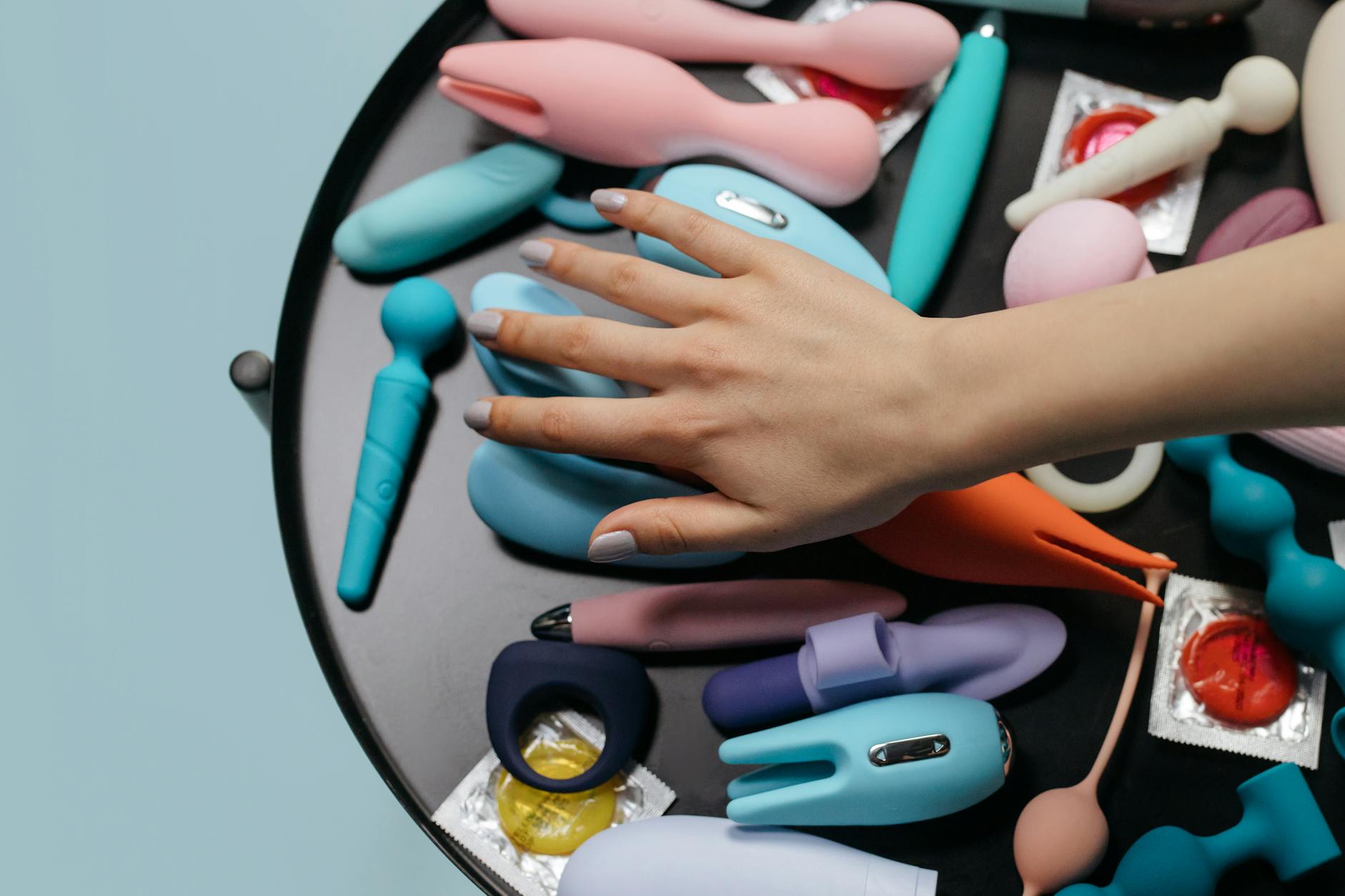
This is where understanding your body's actual response becomes crucial. And it's also where lemon clitoral vibrators step in as a genuinely useful tool.
The difference between dryness and arousal
This is the part that matters. Lubrication and arousal are connected but not identical. Your vagina can produce natural lubrication from hormonal cues, but the tissues themselves have a separate hydration status. Think of it this way: you can have wet skin that's also dehydrated underneath. The surface feels slick, but the tissue isn't actually plump or elastic.
When you use a lemon sucker (the colloquial term for suction-based clitoral vibrators like the Lem), you're solving a different problem than lube addresses. Suction increases blood flow to the clitoris and surrounding tissue. This engorgement thickens the tissue naturally, which can make penetration feel less uncomfortable without requiring you to add more external moisture.
The second layer: if dryness persists despite lubrication, hormonal shifts, medication side effects, or stress might be reducing your body's baseline hydration capacity. A lemon clitoral vibrator addresses sensation and pleasure directly without fighting against those underlying factors.
Why hormonal shifts matter more than you think
If you're on hormonal birth control, approaching perimenopause, or managing thyroid conditions, your estrogen or progesterone levels directly influence tissue hydration. Your vaginal tissue depends on estrogen to stay naturally supple. When estrogen drops, the tissue becomes thinner and less capable of holding moisture, even when lubrication is present.
The same applies to breastfeeding, certain autoimmune conditions, and even high-stress periods. Chronic stress suppresses estrogen production. You can see how this adds up quickly: you add lube, but the underlying tissue isn't getting the hydration signal it needs.
In these situations, treating the symptom (adding lube) without addressing the cause (tissue hydration and elasticity) creates a frustrating loop. You keep reaching for more product instead of shifting your approach to what actually works.
Why lemon vibrators work when lubrication stalls out
Here's the mechanism. A lemon adult toy uses gentle suction or pulsing stimulation to increase blood flow to the clitoris and vulval tissues. This increased blood flow naturally plumps the tissue, making it more elastic and more responsive. For people dealing with persistent dryness, this matters because:
First, it doesn't depend on your body's current hydration level to create sensation. The vibrator is doing the work of engagement for you, which means you experience pleasure even when your tissue isn't cooperating the way it used to.
Second, when you use a lem vibrator regularly (even a few times weekly), the increased circulation can actually improve your tissue's baseline hydration over time. This isn't magic. It's the same reason physical therapists recommend movement for tissue health. Blood flow brings nutrients and fluids to the area.
Third, lemon clitoral vibrators often feel less uncomfortable than penetrative pressure when tissue is compromised. The sensation is concentrated and controlled, which means you can experience pleasure without the friction that makes dryness feel painful.
The medication and stress factor nobody discusses
If you're on antidepressants, antihistamines, or blood pressure medications, you might be fighting dryness that has nothing to do with hormones. These medications reduce parasympathetic nervous system activity, which suppresses both arousal signals and tissue hydration. Your body literally isn't getting the physiological message to produce moisture.
The same applies to chronic stress. When you're in a prolonged stress state, your nervous system prioritizes survival over reproduction. Your blood flow shifts away from the genitals. Your vaginal tissue gets less oxygen and fewer nutrients. And your body downregulates lubrication production as a built-in biological response.
In both scenarios, adding external lubrication helps temporarily. But what actually shifts the pattern is either addressing the medication side effect with your doctor or lowering your nervous system activation. A lemon vibrator helps with the second part by creating a pleasurable experience that gradually re-teaches your nervous system that arousal is safe.
The tissue-building approach
If dryness is persistent and lubrication isn't solving it, I recommend thinking in terms of tissue resilience rather than moisture alone. Three things work together:
First, vaginal estrogen creams (if your doctor approves). These are topical, not systemic, and they directly address tissue thinning. They're worth discussing if dryness started after menopause, hormonal shifts, or specific medications.
Second, consistent use of a lemon clitoral vibrator, which rebuilds tissue engagement through increased blood flow and nerve activation. Aim for twice weekly at minimum.
Third, addressing underlying stress or medication side effects with your doctor. This isn't optional. If the root cause is neurological or hormonal, no toy will fully solve it alone.
When these three elements align, most people notice real shifts within 4-6 weeks. The dryness doesn't vanish, but it stops being the main barrier to pleasure.
The partner conversation
Here's where relationship dynamics matter. If you have a partner, persistent dryness often becomes a source of shame or blame on both sides. You might assume you're not attracted anymore. They might assume they're not doing something right. Neither assumption usually helps.
The clearest approach: separate the mechanics from the emotional experience. "My tissue is drier than it used to be, and it's a physical thing, not about how I feel about you." Then, frame lemon sexual toys as a tool that makes sex feel better for both of you, not as a sign that something is broken. Because here's the truth: when you use a lem vibrator and it actually feels good, it removes the pressure from your partner's touch to do all the work. Everyone relaxes.
When to see a doctor (and when not to)
If dryness appeared suddenly, is accompanied by pain, itching, or discharge, see a gynecologist. You might have an infection or a condition like lichen sclerosus that requires treatment.
If dryness started with a medication change, talk to your prescribing doctor about alternatives or timing adjustments. Some medications can be taken at different times of day to reduce sexual side effects.
If you're perimenopausal or postmenopausal and dryness is new, mention it to your doctor. Topical estrogen or a hormonal adjustment might genuinely help.
But if you've already ruled out medical causes and persistent dryness is just part of your baseline now, you don't need another doctor's visit. You need a strategy that works with your body as it is, not against it. Lemon clitoral vibrators, used consistently, often become that strategy.
The pleasure-first shift
This is the part I see change everything. When you stop treating dryness as a problem to fix and start treating it as a variable to work around, everything shifts. You're not trying to force your body into a response it's not having. You're finding a pathway to sensation that actually works.
A lemon vibrator does this because it doesn't ask your body to do anything. It creates the sensation directly. Over time, as you experience pleasure regularly, your nervous system recalibrates. Arousal becomes easier. Tissue resilience improves. Lubrication naturally increases because your body starts getting the signal that arousal is safe again.
This isn't about the toy fixing you. It's about you using the right tool to rebuild connection with your own pleasure.
People also ask
How long does it take for a lemon vibrator to help with persistent vaginal dryness?
Most people notice meaningful improvement within 4-6 weeks of consistent use, two to three times weekly. The mechanism is increased blood flow rebuilding tissue elasticity and hydration. That said, you'll likely feel more pleasure immediately even if the underlying dryness hasn't fully resolved yet. Start noticing what feels better in week one, and track physical changes over the longer timeline.
Can I use a lemon sucker with no lubrication if I'm experiencing severe dryness?
Yes, and sometimes it's actually preferable. If your tissue is very dry, external lubrication plus suction stimulation can feel uncomfortable because the friction between the toy and skin becomes obvious. Starting with just the lemon vibrator and no added lube often feels gentler. You can always add lubrication if needed, but many people find they don't need it once the suction increases local blood flow. Listen to your body. If it feels wrong, add lube.
Is persistent vaginal dryness despite lubrication always hormonal?
No. It can be medication-related, stress-related, pelvic floor tension, or even dehydration. Some medications (antihistamines, SSRIs, blood pressure drugs) directly suppress lubrication production. Chronic stress suppresses parasympathetic activation. High pelvic floor tension restricts blood flow to the area. Before assuming it's hormonal, track when the dryness started, what medications you're on, and your stress level. That pattern usually points to the actual cause.
Can lemon adult toys replace vaginal estrogen cream if I'm postmenopausal?
No. If your doctor has recommended vaginal estrogen, use it. A lemon clitoral vibrator complements medical treatment but doesn't replace it. That said, many postmenopausal people find that using both (topical estrogen cream plus regular lemon vibrator use) creates the fastest improvement in tissue health and sexual comfort.
Why does my dryness get worse after I've used lubrication?
This usually happens because of one of two things. First, some lubes are hygroscopic, meaning they actually pull moisture out of your tissue as they evaporate. Switch to a non-hygroscopic option (pure silicone or hyaluronic acid-based). Second, if you're relying entirely on external lubrication, your body's natural lubrication capacity can atrophy from disuse. Building tissue health with a lemon vibrator helps your body remember how to produce its own moisture again.
How do I know if my dryness is from medication or from something else?
Check the medication's documented side effects (look at the official prescribing information, not just the package insert). If sexual side effects are listed, talk to your doctor about timing adjustments or alternatives. Meanwhile, use a lemon vibrator to rebuild sensation and pleasure while you and your doctor problem-solve the root cause. Many SSRIs and antihistamines can be switched to alternatives with fewer sexual side effects. It's worth asking.
The path forward
Persistent vaginal dryness despite lubrication is frustrating, but it's not a sign that pleasure is off the table. It's a signal that your current approach needs adjustment. Whether that's addressing hormones, medication side effects, or stress, the answer usually involves shifting both how you think about the problem and what tools you use.
A lemon clitoral vibrator isn't a replacement for medical care or addressing underlying causes. It's a tool that lets you experience pleasure while you figure out what's actually driving the dryness. And honestly, that alone can be transformative. Your pleasure matters. Your body deserves attention. And sometimes the best way to rebuild connection with both is to stop fighting against what's happening and start working with it.
If you'd like to discuss how to navigate this with a partner, or want to explore other strategies specific to your situation, reach out to our team. We're here to help.