Here's what nobody tells you about pleasure after divorce
Divorce rewires your body's nervous system. For years, maybe decades, your arousal happened in response to someone else's presence, someone else's timing, someone else's needs. Then suddenly it doesn't. Your clitoris has muscle memory, but it also has relationship memory. Starting over means deactivating all that old wiring.
That's where lemon vibrators come in. Not as a fix. As a conversation starter with yourself.
Why your body feels different now
After divorce, pleasure doesn't just vanish. It often goes dormant. Your nervous system has been in a sustained state of "I have to coordinate with another person," which is a particular kind of alert. Solo arousal uses a completely different neurological pathway. It's not better or worse. It just requires you to rewire.
Additionally, you might be carrying physical tension from the relationship itself. The pelvic floor tightens under stress and grief. Tension around the clitoris can make sensation feel muted or distant. Many clients tell me they feel "numb" down there after separation, even though nothing is physiologically wrong. That numbness is often protective tension masquerading as numbness.
A lemon clitoral vibrator helps because the suction pattern breaks that tension. It's not demanding. It doesn't perform. It just stimulates nerves in a way that says to your nervous system: "You're safe to feel something now."
Starting with the Lem vibrator: why suction matters
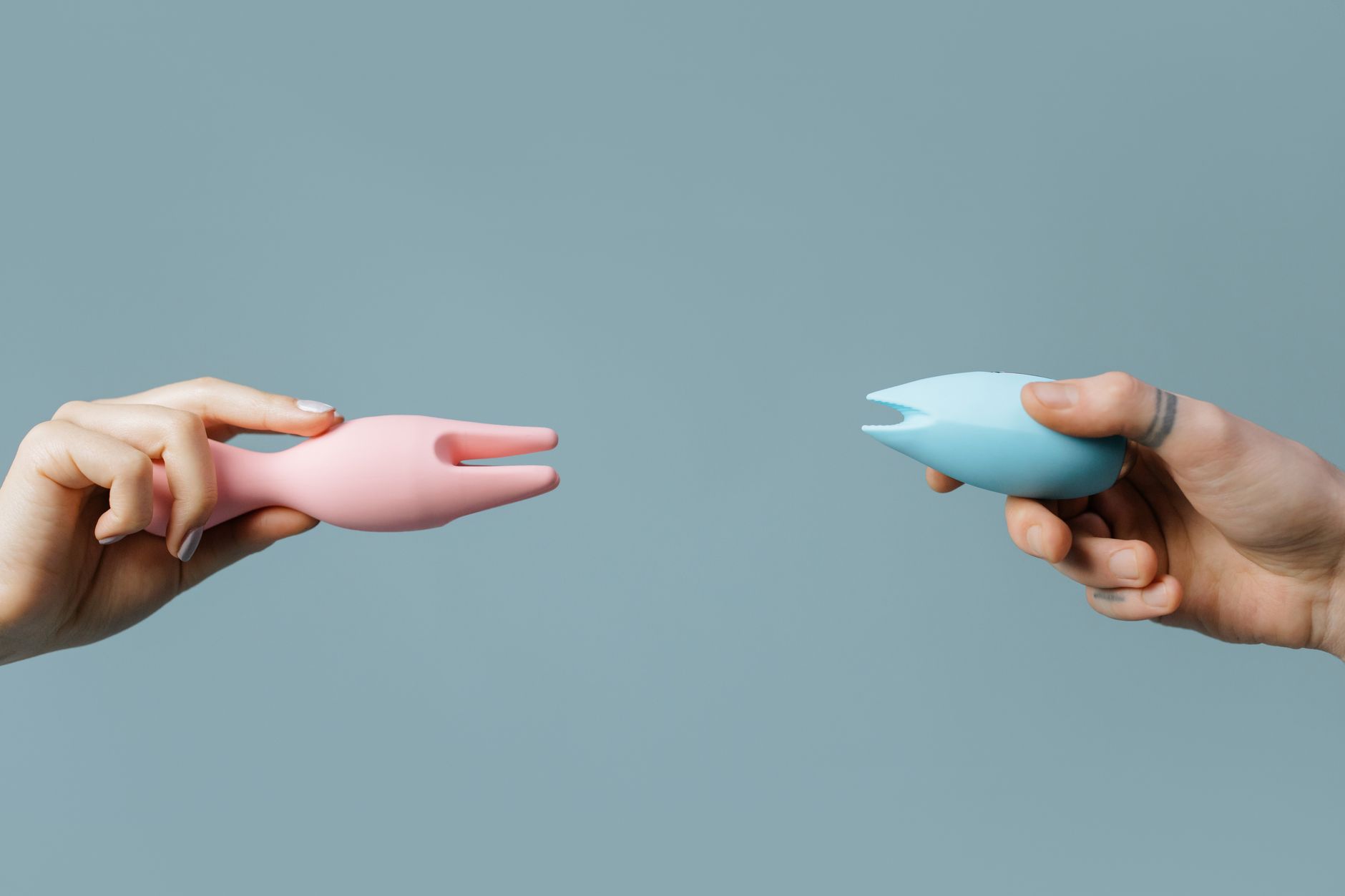
The Lem vibrator uses air-suction technology, which works differently than traditional vibration. Instead of friction against tissue, suction creates a gentle pressure pulse. For someone rebuilding their relationship with pleasure, this matters because it feels less like "having something done to you" and more like "your body waking up on its own terms."
The Lem has multiple intensity patterns. Starting at pattern one is essential here. Not because it's all your body can handle, but because going gentle teaches you something crucial: you don't have to prove anything anymore. You don't have to perform. You don't have to reach an orgasm on someone else's timeline. This mental shift often unlocks more sensation than pushing hard into higher intensities ever could.
Most of my clients report that lower patterns feel more satisfying than they expected. The suction pulls sensation into focus without the intensity that might trigger tension or defensiveness.
The emotional groundwork before pleasure returns
Here's the part people skip, and it matters: grief and pleasure live close to each other in the nervous system. After divorce, your grief might need space before your pleasure can emerge. This isn't a problem to solve. It's a natural sequence.
Before using a lemon vibrator solo, spend time with your body without agenda. Shower. Lie down. Notice where you're holding tension. The lower belly, the pelvic floor, the inner thighs, the clitoris itself. You don't have to release it. Just notice it.
Then, when you introduce the Lem vibrator, you're not trying to generate pleasure from nothing. You're creating a conversation between "what you're feeling" and "what the vibrator is offering." That distinction is everything for rediscovery.
Building a solo rhythm that feels right
When you're learning pleasure solo after years of partnered sex, pacing matters more than intensity. Here's what I recommend:
Start with 10 to 15 minutes, not 30. Your nervous system is relearning. Overstimulation can feel dysregulating. Use the Lem at patterns 1 through 3. You can explore higher patterns later. For now, the goal isn't to chase orgasm. The goal is sensation.
Find a position where you feel grounded. Not flat on your back, which can feel vulnerable. Maybe propped up with pillows. Maybe sitting. Maybe standing. Positioning matters because it changes what your nervous system reads. Standing or sitting engages your core differently and can help you feel more present, less like something is being done to you.
Set a time when you know you won't be interrupted. This isn't about pressure. It's about your nervous system trusting that it's actually safe. One of the biggest blocks after divorce is hypervigilance. Creating genuine safety activates the parasympathetic nervous system, which is where pleasure lives.
Rebuilding sensation when numbness feels real
Many people report that after divorce, particularly if the relationship was stressful or ended badly, the clitoris feels numb. This is real. It's also temporary. That numbness is dissociation, a protective mechanism. Your nervous system is saying, "I'm not safe to feel right now."
A lemon vibrator helps gradually override that. The suction engages nerves in a consistent, predictable way. Your body starts to recognize: this sensation is safe, this sensation is mine. Over multiple sessions using the Lem, the numbness typically softens. Sensation returns not all at once but gradually, like a photograph developing.
If numbness persists after consistent use over two to three weeks, check in with your nervous system. Are you still processing the relationship? Are you grieving? That's not a sign the Lem doesn't work. It's information that your body needs emotional space before it can open to pleasure.
Reframing solo pleasure as part of moving forward
After divorce, solo pleasure isn't a substitute for partnered sex. It's its own thing. It's you learning who you are in this new chapter. How your body responds to stimulation now. What rhythm works. What intensity feels good. What the difference is between obligation and actual desire.
That knowledge becomes the foundation if you ever want partnership again. You'll know what you like. You'll know how to communicate it. You'll know the difference between someone else's pressure and your own desire. That's not a small thing.
Using a lemon vibrator solo is practice in trusting yourself. It's saying: my pleasure matters. My body matters. My experience of sensation matters even if no one else is here. That's where confidence rebuilds.
When to check in with a professional
If numbness persists after three to four weeks of regular use, or if touching yourself triggers distress or dissociation, reach out to a sex-positive therapist. Sometimes divorce trauma lives in the body longer than we expect. That's treatable. But it needs the right support.
If you're using lemon vibrators and feeling good but also noticing you're using them compulsively (multiple times daily, unable to stop), that's also worth exploring. Pleasure should feel expansive, not frantic. A licensed therapist can help you understand the difference.
FAQ
How often should I use a lemon vibrator after divorce?
Start with 2 to 3 times per week. This frequency lets your nervous system integrate the sensation without overstimulation. Many people find that fewer, intentional sessions feel better than daily use. Quality over quantity matters here.
Will using a lemon clitoral vibrator solo delay me moving into a new relationship?
No. The opposite, actually. Knowing your own pleasure patterns, boundaries, and desires makes you a better partner. You're not waiting for someone else to figure you out. You're coming to partnership already knowing what works.
What if I feel guilty using a lemon vibrator after being told I shouldn't during my marriage?
That guilt often needs naming. It's not your truth. It's someone else's rule living in your body. Using a Lem vibrator solo is reclaiming something that belongs to you. If that guilt is loud, working with a therapist can help you separate inherited shame from your actual values.
Does the Lem vibrator work if I'm on antidepressants or anti-anxiety medication?
Often yes, though sexual response can be affected by medications. Some medications dampen sensation. If that's happening, a lemon vibrator's suction pattern sometimes helps by engaging nerves more directly. But this is worth discussing with your prescriber if you're noticing changes.
Can using lemon sexual toys help with specific triggers from my marriage?
Sometimes. If a particular position or touch pattern triggered dysregulation in your marriage, using a Lem vibrator solo in a different position, at a slower pace, can help retrain your nervous system. That's not the same as therapy, but it can support the process.
What if I have no desire at all, even when I try?
That's common in the first months after divorce. Desire isn't something you can force. The Lem vibrator works best when you're curious, not when you're performing. If desire hasn't returned after several months, check in with a therapist or your doctor. Low desire can point to depression, hormonal shifts, or unprocessed grief.
Moving forward
Starting over after divorce means relearning your body. A lemon clitoral vibrator can be part of that conversation, but it's not the whole thing. The real work is patience with yourself. Noticing what feels good. Trusting that pleasure is supposed to be there. And recognizing that solo pleasure is powerful not because it's a substitute for anything, but because it's a direct line back to yourself.
You deserve to feel good. That's not negotiable. Your pleasure matters now in a way it maybe didn't before. A Lem vibrator is just a tool for reminding your nervous system of something true: you're safe. You're here. And sensation is waiting for you.