How to Use Lemon Vibrators When Rebuilding Trust After Relationship Trauma
When your body holds onto fear, reconnecting with pleasure means starting small, solo, and entirely on your terms. Here's how lemon clitoral vibrators fit into that.
Here's the thing about rebuilding intimacy after relationship trauma: your body remembers things your mind is trying to move past. That hypervigilance, that flinch response, that sense of being unsafe even when you're physically safe. It doesn't vanish because you've decided to trust again. It takes intentional, patient work to rewire.
When I work with clients rebuilding after infidelity, emotional abuse, or breach of sexual boundaries, one of the first conversations we have is about reclaiming pleasure as a solo practice first. Not as a means to an end (getting ready for a partner again), but as evidence to your nervous system that pleasure still exists, that your body still belongs to you, and that you get to set every single rule.
Trauma hijacks the pleasure response. Your nervous system gets wired to anticipate threat during moments that used to feel safe. When someone betrayed you sexually or emotionally, your brain formed new neural associations. Vulnerability became dangerous. Touch became unpredictable. That's not weakness. That's a rational survival mechanism.
Solo pleasure work interrupts that pattern because it removes the variable of the other person's behavior. You control the speed, the intensity, the rhythm, and most importantly, when it stops. There's no performance, no compromise, no need to read a partner's mood or fear they'll hurt you again.
That regulatory control is the foundation of healing. Without it, partnered sex often triggers the same hypervigilance and dissociation that originally caused the harm.
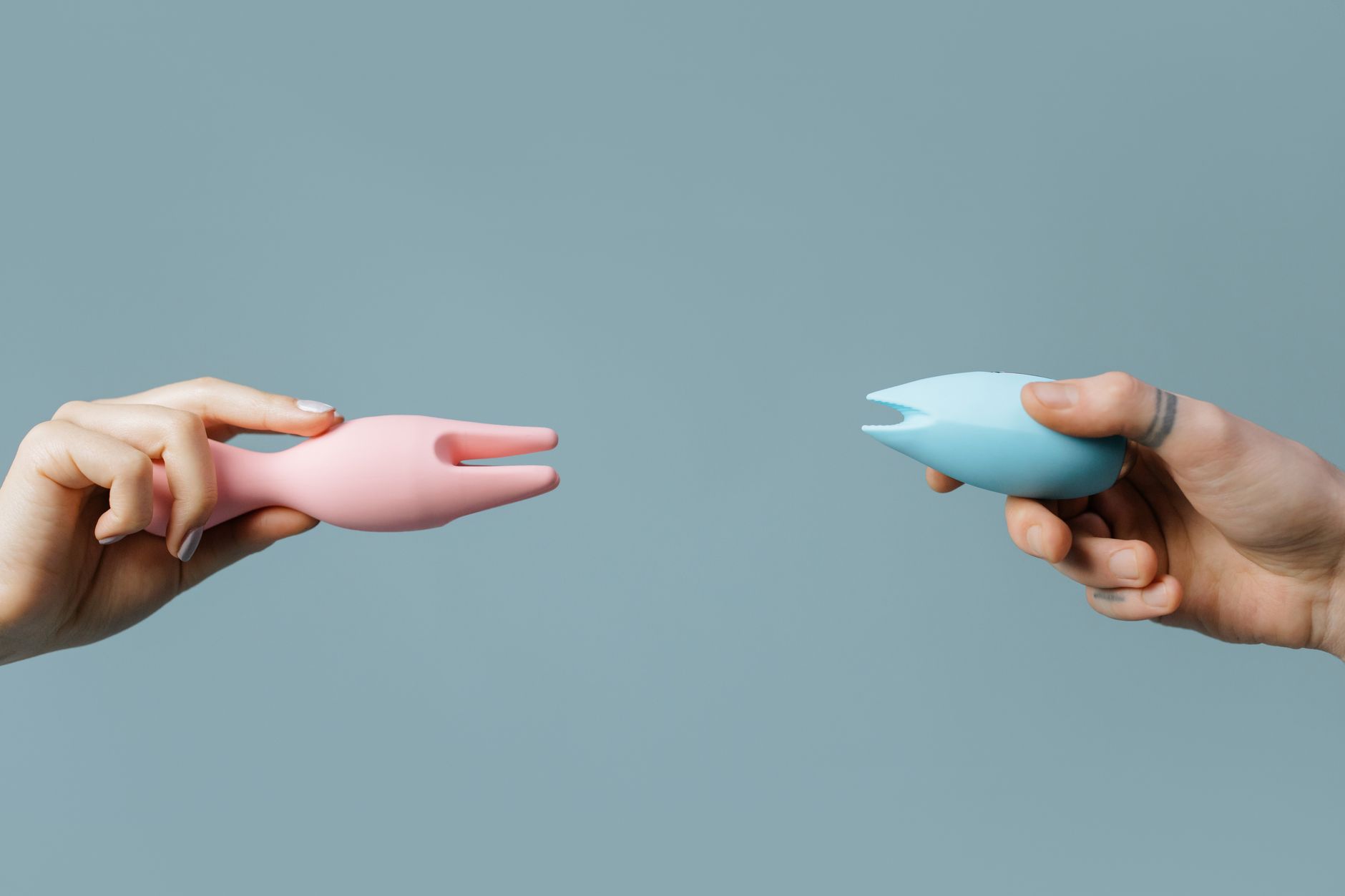
Lemon vibrators, like the suction-based models from Hallo Nancy Lem, offer something that other toys don't: they're precise and gentle without being weak. The clitoral vibrator operates through pulsing suction rather than grinding vibration. This matters because trauma survivors often find traditional vibrators either too numb (intensity doesn't register) or too intense (it triggers an anxious response).
The lem vibrator gives you a middle ground. You can start at the lowest pattern and barely feel it, then gradually dial up. There's no abruptness. The sensation builds predictably. And because the clitoral vibrator doesn't require you to be fully aroused to feel something, it can help you reconnect with sensation even when desire feels absent or blocked.
When touch has been weaponized or broken, the lemon sexual toys approach of steady, controlled stimulation helps retrain your nervous system: this touch is safe. This touch is yours. This touch stops when you say.
Start without expectations. Not "I'm going to have an orgasm" or "I'm going to feel amazing." Start with "I'm going to spend fifteen minutes exploring what this feels like."
Set the scene in whatever way makes you feel protected. Locked door. Phone on silent. Clothes you can remove easily. No partner nearby. Some people find it grounding to be fully clothed at first, or to use the lemon clitoral vibrator over underwear. That's fine. You're teaching your body trust, not proving anything.
Begin at pattern 1 or 2 on the lem vibrator. Hold it so you're in control, not the toy. Notice what happens. Does your breathing change? Does your mind wander? Do you feel numbness, or sensation, or something in between? All of these are data. None of them are wrong.
Most trauma survivors report that the first few sessions feel clinical, detached. You might feel disconnected from your body. That's normal. You're retraining a nervous system that learned to dissociate as protection. Reconnection takes repetition.
After the first week of solo exploration, move to three to four sessions weekly rather than daily. Your nervous system needs time to process. You're essentially teaching your body that pleasure and safety can coexist, and that learning requires rest between sessions.
Slowly introduce small variations. Move the lemon clitoral vibrator to different areas. Spend more time at pattern 2 or 3. Notice when pleasure actually starts to emerge. For many trauma survivors, this takes weeks or even months. The absence of rushed timelines is the whole point.
If at any point during a session you feel triggered, stop. Don't push through. The goal isn't to override your nervous system's caution. The goal is to show it that you listen to its signals and respond with care. That itself is healing.
There's no timeline for this. Some people feel ready after a few months. Some take a year or more. Both are completely valid.
When you do start reintroducing a partner, many therapists recommend starting with non-sexual touch first. Massage. Holding hands. Kissing with clothes on. Your nervous system needs evidence that this person can be trusted with small vulnerabilities before big ones.
When you do include a partner in exploration with the lemon adult toys, go slowly. You might use the lem vibrator on yourself while your partner is present but not touching you. Or they might hold it under your instruction. The key word is "your instruction." You're in charge of every aspect. Your partner is there as a supportive presence, not an agent.
After trauma, you probably developed a pattern of either over-explaining or hiding. Hypervigilant communication or avoidant silence. Both make partnered pleasure harder.
Instead, practice clean, simple language in solo sessions first. "I like this pattern." "I want to stop." "I'm feeling numb, let's try something different." These aren't vulnerable admissions. They're facts. The more you practice stating them to yourself without judgment, the easier they become with a partner.
When you do bring a partner in, the same language applies. "I need you to move your hand higher." "I want to use the lemon clitoral vibrator solo today." "I'm not sure if I can have an orgasm right now and that's okay." A partner who responds defensively to these statements isn't ready for the work of healing intimacy. That's information too.
Somewhere around week three or four of solo exploration, many people feel sadness. Not because the practice is painful, but because they recognize what was lost. Ease. Spontaneity. The ability to trust without bracing for harm.
That grief is appropriate and necessary. You're mourning something real. Let it exist. It doesn't mean the healing work isn't working. It often means it is.
If during solo sessions you have panic attacks, dissociation that won't resolve, or overwhelming intrusive thoughts about the trauma, you need a therapist trained in trauma recovery. This solo work is a piece of healing, not a replacement for clinical treatment. A good trauma-informed therapist can help you navigate both.
The same goes if you're attempting partnered intimacy and finding yourself unable to trust even basic gestures, or if your partner is resisting your need for control and boundaries. Those are signs that you need support beyond a vibrator.
Reclaiming pleasure after relationship trauma is not a fast track to "back to normal." It's a slow, iterative process of teaching your nervous system that safety and sensation can coexist. The lemon sexual toys and other clitoral vibrators aren't magic. They're tools. The real work happens in the tiny moments of trust you build with yourself, session by session.
Pleasure after betrayal looks different than it did before. It's often more intentional, more protective, more yours. And for most people, once they're through the hardest part of rebuilding, that specificity becomes something they wouldn't trade for the old, more careless version.
Absolutely. In fact, many trauma therapists recommend it. Just let your therapist know you're starting this practice so you can process what comes up in sessions. If something triggers you during solo play, that's valuable information for the therapeutic work.
That's incredibly common after trauma. Your nervous system might be too activated or too numb to feel sensation. Don't judge it. Keep showing up without expectation. Sensation often returns gradually. Some people find it helpful to pair the lemon adult toys with breathwork or guided meditation to help regulate their nervous system first.
There's no standard timeline. Some people feel ready for light partnered touch after a few months of solo work. Others need a year or more before full sexual intimacy. The question isn't how long it takes, but whether you feel genuinely ready, not obligated.
Yes. Many people internalize the belief that their body caused the harm, or that pleasure is frivolous after trauma. It's not. Reclaiming pleasure is an act of resistance against the story trauma tells. You deserve to feel good again.
That's a sign that they might not be ready for the work of rebuilding trust. A partner who respects your healing process will accept that you need time, boundaries, and control. If they're pushing for premature partnered intimacy or dismissing your caution, that's important data about whether this relationship can actually support your healing.
Yes. Dissociation during sex is a common trauma response. Solo work with tools like the lemon clitoral vibrator can help you practice staying present in your body. Start by noticing three sensations during a session: the texture of the toy, the sound it makes, the temperature of your skin. This grounds you in the present moment.
Reconciling with pleasure after relationship trauma is one of the most profound acts of self-advocacy you can do. It tells your nervous system that you're worth protecting, that your pleasure matters, and that you have agency over your own body. That foundation changes everything, eventually, even whether you choose to include a partner again.
Start small. Stay patient. Listen to your body. The lemon clitoral vibrators and solo practice are tools. You're the expert on what your nervous system needs.