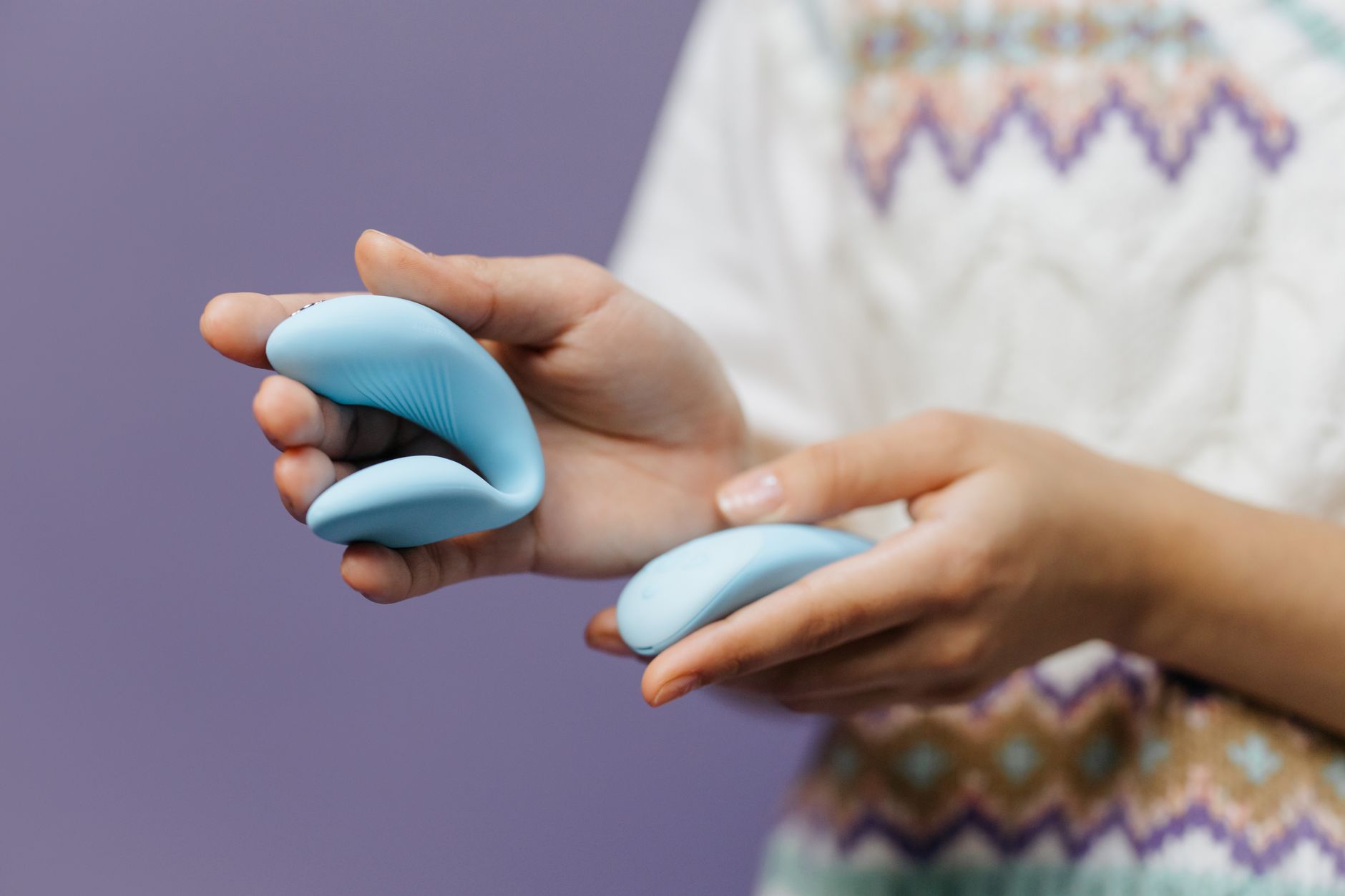
Let's be real about post-surgery touch
After gynecological surgery. your body isn't just healing tissue. You're also navigating psychological recalibration, phantom sensations that ping randomly, and the weird guilt of wondering when sex is supposed to feel "normal" again. Spoiler: it might feel different forever, and that's not a failure.
Here's what I've seen work for people rebuilding pleasure after procedures like hysterectomy, fibroid removal, endometriosis surgery, or other pelvic interventions. Lemon clitoral vibrators, specifically, are useful during recovery because they work differently than traditional vibrators. But timing and approach matter enormously.
Understanding your healing timeline
Most surgeons give the standard clearance at six weeks: "You can resume sexual activity." What they mean is your wound is sealed enough that infection risk drops. What they don't always say is that six weeks is medical permission, not personal readiness.
Physical healing and sensation recovery don't run on the same clock. Your scar tissue is reorganizing for months. Your nervous system is processing the trauma of anesthesia, surgery, and recovery. Some people feel ready at eight weeks. Others need eight months. Both are completely normal.
I usually recommend waiting until your surgeon gives clearance, then adding another 2-4 weeks of zero-pressure observation. No expectations. No performance pressure. Just noticing what your body is telling you without judgment.
Why lemon vibrators work differently post-surgery
Traditional vibrators rely on rapid vibration against tissue. After surgery, that can feel jarring, overwhelming, or even painful if scar tissue is sensitive. Lemon vibrators use air-suction technology instead. They stimulate the clitoris through gentle, rhythmic suction rather than friction. This matters because:
First, suction works through the body's vascular response, not surface friction. Your scar tissue stays untouched. The sensation builds from deeper nerve activation, which feels less intense on hypersensitive skin.
Second, you control the intensity from the start. Most lemon vibrators have 5-10 pattern levels. You can start at pattern 1, which is so gentle it barely registers. That's not weakness. That's smart rebuilding.
Third, suction mimics a natural physical sensation your body already knows. Many people find it more intuitive than traditional vibration, especially when their nervous system is in recovery mode.
When to actually introduce the Lem
Don't just count weeks. Watch for these markers:
You can walk without pain. Not comfort. Pain. Your incision site should be closed and not weeping. Bleeding or discharge that smells bad is a red flag. Mild staining? Ask your surgeon, but that's usually normal.
You can sit for 20 minutes without acute discomfort. Your pelvic floor isn't in constant protective clench. This one matters because a clenched pelvic floor will reject any stimulation, and the Lem included.
You're having thoughts about pleasure, not dread. This is psychological readiness, which your body will feel. If you're mostly terrified or numb, waiting longer works better than pushing through.
Your surgeon has explicitly cleared penetration or external genital stimulation. Different procedures have different restrictions. Hysterectomy clearance isn't the same as fibroid removal clearance. Ask directly instead of assuming.
How to actually start
First time using the Lem post-surgery, do it alone. Not because partners are bad. Because you need to listen to your body without performing. No mirror, no expectations, no "let's see if I still work." Just exploration.
Start with your body relaxed. Warm bath beforehand helps. Heat increases blood flow and tells your nervous system it's safe. Fifteen minutes of warm water, maybe something you enjoy on your phone. Then into bed or onto a comfortable surface, nothing urgent.
Pattern 1. That's it. The very lowest setting on your lemon vibrator. Apply it gently against the clitoris. Don't press. Hover, almost. You're noticing sensation, not chasing orgasm. Orgasm isn't the metric right now. Sensation is.
You might feel nothing. You might feel distant, numb, like watching someone else's experience. That's the nervous system protecting you. Keep the session short, maybe five minutes. Then stop. Rest. Hydrate. Notice what happened without labeling it good or bad.
Repeat this 2-3 times over a week before moving to pattern 2. Yes, really. Your nervous system is rewiring itself. Patience accelerates that process in the long run, even though it feels slow.
What recovery actually feels like
Pleasure doesn't switch back on like a light. It's more like gradually adjusting to brightness after a dark room. Your first experiences post-surgery might feel muted, distant, or weirdly emotional. You might cry. You might feel nothing and then suddenly feel everything. You might associate the physical sensation with fear or loss for a few sessions before it shifts into something neutral.
All of that is your nervous system doing exactly what it's supposed to do. It's not broken. It's not wrong. It's processing.
If your partner is involved, have a separate conversation from your solo exploration. Tell them what you're doing and roughly how long you expect the process to take. A realistic timeline isn't romantic. It's respectful. "I'm starting to explore sensation again, and it might take three months before we have penetrative sex that feels good to me" is a different conversation than "I don't know when I'll be ready."
Partners often interpret "I'm taking this slow" as "I don't want this" or "there's a relationship problem." There isn't. There's a healing timeline. Naming it explicitly protects both of you.
When sensation stays muted
Sometimes scar tissue, nerve damage, or adhesions from surgery create persistent numbness or changed sensation. This isn't permanent damage. It's renegotiation. Your body is rewiring around what changed.
If you're three months post-surgery and sensation feels distant despite patience and exploration, talk to your surgeon or a pelvic floor physical therapist. Adhesions are sometimes treatable. Nerve sensation can return over years, not weeks. But a professional can rule out complications and also teach you techniques that work specifically with your body's new wiring.
Lemon vibrators can work beautifully with changed sensation. You might need to explore different patterns, different positioning, or longer warm-up times. But changed isn't broken. It's just different.
The emotional part nobody tells you
Post-surgery pleasure reconstruction is often about grief. You lost something. Your body feels unfamiliar. Your internal anatomy changed. Even if you needed the surgery, even if you're relieved you had it, that's still a loss.
Peasure can be the gateway to processing that grief. The first time you feel something good in your recovering body, you might cry. You might feel a wave of sadness before the sensation shifts into something pleasurable. That's normal.
I often recommend slowing down during those moments instead of speeding up. If you feel sadness, pause the vibrator. Breathe. Let the feeling move through. Then continue or stop, depending on what your body says. Pleasure that includes processing grief is deeper, more integrated pleasure.
If you're starting sexual exploration with a partner post-surgery, this is where communication matters most. Your partner needs to know that pleasure might include non-sexual emotions, and that's not rejection of them. It's your body and brain doing important work.
When to check in with a professional
Pain during pleasure isn't something to push through. If using the Lem creates sharp pain, burning, or persistent discomfort lasting more than a few hours after, that's your surgeon's information, not something to self-diagnose. Pelvic pain after surgery can mean adhesions, infection, or nerve hypersensitivity. All are treatable. None are "just how it is."
If you're six months post-surgery and sensation still feels completely absent, and you want it back, pelvic floor physical therapy is worth trying. A pelvic PT can assess whether muscle tension, scar tissue restrictions, or nerve involvement is creating the numbness.
Similarly, if pleasure returns but orgasm feels impossible or dramatically different than before, a pelvic health specialist can rule out any tissue or nerve involvement. Sometimes it's psychological (totally real, totally treatable). Sometimes it's physical (also treatable). Usually it's both.
The realistic timeline
Honestly? Give yourself six months before deciding pleasure feels "back to normal." Three months is when most people have physical capacity. Six months is when your nervous system usually feels settled in the new configuration of your body.
Some people report that pleasure actually deepens after surgery, once everything has healed. The intentionality of rebuilding it, the slowness of reconnection, the permission to explore without old patterns. That actually creates richer sensation for some. Not all, but some.
The Lem is useful because it's gentle enough to support that slow rebuilding, and sophisticated enough to grow with you as sensation returns. Start at pattern 1. Respect your timeline. Let your body tell you what it needs. That's the whole protocol.
Frequently asked questions
How long after surgery can I safely use a lemon vibrator?
Wait for your surgeon's clearance for external genital stimulation, then add another 2-4 weeks of observation. Most people start around 8-12 weeks post-surgery, but individual recovery varies. Your surgeon can give you specifics based on the type of procedure you had.
Does using a vibrator slow down my healing?
No, provided you're past initial wound closure. Gentle stimulation actually supports nerve regeneration and vascular response, which are part of natural healing. The key is starting low intensity and respecting your pain signals.
Can scar tissue make pleasure impossible?
No. Changed, yes. Numb in some areas, possibly. But impossible? Very rarely. Scar tissue can be addressed with pelvic floor therapy, and sensation can be relearned around tissue changes. It might feel different than before, but different isn't broken.
What if I have pain when I use a lemon vibrator?
Stop immediately and note where the pain is and what it feels like. Sharp pain, burning, or deep aching that lingers are all things your surgeon should know about. Mild initial discomfort that fades within minutes might just be nervous system sensitivity, but let your surgeon rule out complications first.
Should my partner be involved in this process?
That's your choice. Solo exploration first helps you understand your own timeline without performance pressure. Then you can decide how to involve a partner, if at all. Some people find partner involvement helpful. Others need months of solo rebuilding first. Both approaches work.
What if I never feel pleasure again?
That's rare but not impossible with certain complications. If you're a year post-surgery and sensation hasn't returned despite pelvic PT and medical clearance, a sex therapist or relationship coach can help you process that loss and explore what pleasure looks like now. Pleasure takes many forms. Sometimes rebuilding means redefining, not just restoring.
Moving forward
Your body just went through something significant. Bringing pleasure back into it isn't rushing. It's not disrespecting your healing. It's honoring your whole self, including the parts of you that want to feel alive and connected. The lemon clitoral vibrator is a tool for that, not the solution itself. You are. Give yourself time.