The thing nobody tells you about desire coming back
Libido doesn't wake up like a person. It doesn't open its eyes at dawn, stretch, and get on with the day. It drifts back in pieces. One week you feel nothing. The next, you're thinking about sex at the grocery store. Then silence for two weeks. Then a Wednesday night at 11 p.m. when your partner's already asleep and you're wide awake with want.
This is normal. It's also wildly inconvenient.
After depression, hormonal shifts, stress, grief, or relationship strain, the return of sexual desire follows its own timeline. And that timeline almost never matches your partner's. You're ready at 3 a.m. They want it predictably on Saturday mornings. You're in a dormant phase while they've had a resurgence. The friction isn't about love or attraction anymore. It's about mismatch. And mismatch kills more reconnections than actual incompatibility ever does.
Why unpredictable libido feels different than low libido
Low libido is steady. You know what you're working with. Unpredictable libido is erratic. It arrives without warning and vanishes just as fast. That unpredictability does something specific to your nervous system. You start either hunting for arousal (anxiety-driven) or suppressing it (resignation). Neither helps.
The good news: unpredictable libido usually means your body is healing. It's learning to want again, even if the schedule is chaotic. The bad news: that healing happens on your body's clock, not your relationship's.
This is where solo tools become genuinely useful. When you have access to reliable pleasure on your own timeline, the pressure to sync up evaporates. You're not waiting for your partner. You're not performing readiness you don't feel. You're meeting yourself where arousal actually is.
The difference between scheduled intimacy and opportunistic pleasure
Most couples operate on scheduled intimacy. Friday nights. After the kids are asleep. When we're both in the mood. But when desire is returning unpredictably, scheduled intimacy becomes a trap. You show up on Friday hoping something will click. It doesn't. You feel guilty. Your partner feels rejected. A tool like the Lem works because it lets you experience pleasure without the performance.
There's a secondary benefit here that most people don't talk about. When you regularly experience orgasm on your own terms, your body remembers what good arousal feels like. You're literally retraining your nervous system. That retraining makes partnered sex easier when it does happen because you're not starting from zero.
Opportunistic pleasure also means you can respond to spontaneous arousal without logistical planning. Desire showed up at 2 p.m. on a Tuesday? You can address it in ten minutes rather than waiting for a scheduled window. That responsive choice reinforces the neural pathways for wanting.
How to use lemon vibrators when arousal spikes without warning
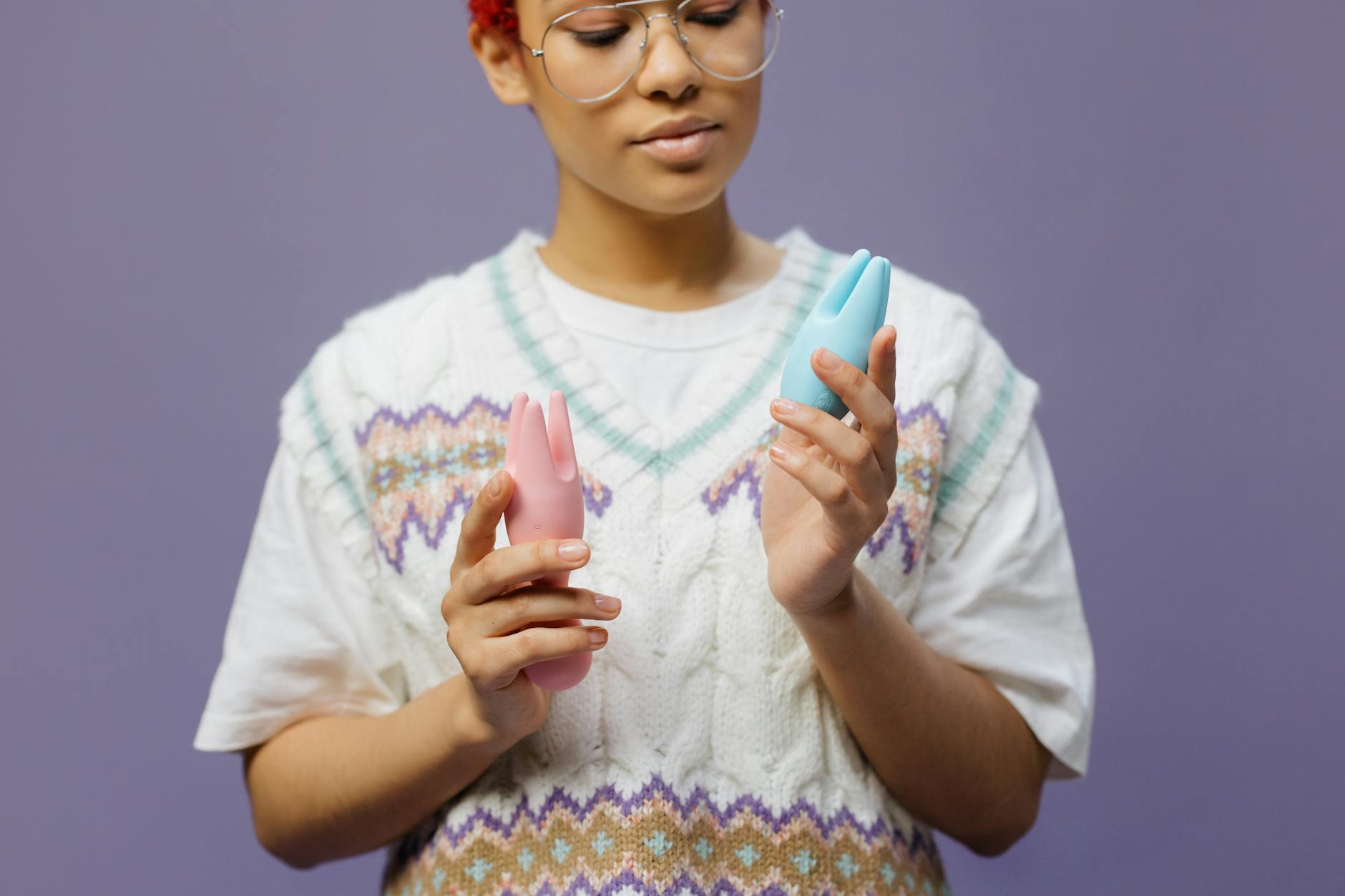
The architecture of a lemon clitoral vibrator matters here. Suction-based stimulation (like the technology in Hallo Nancy Lem's lemon vibrators) builds arousal differently than traditional vibration. It creates a gentle vacuum that intensifies sensation without requiring direct pressure. When arousal is unpredictable, that matters because you can start at lower intensity and escalate gradually, following your body's actual response rather than forcing a climax.
Here's the practical approach: Keep your lemon vibrator somewhere you can reach it quickly. Not hidden. Not in a shoebox under the bed. Somewhere you'd keep a book you read regularly. Accessible means you respond to arousal when it shows up instead of waiting for the right moment.
When desire surfaces unexpectedly, start with the lowest setting. Spend time with sensation before pushing toward climax. This sounds counterintuitive when you're worried arousal will disappear, but the opposite happens. When you're not racing toward an outcome, arousal sustains longer. You're building a relationship with desire instead of performing for it.
The emotional work underneath unpredictable libido
Honestly, the vibrator is the easy part. The harder part is getting your head right about your own changing body.
When desire returns unpredictably, there's usually shame underneath. Shame that you're not always ready. Shame that sometimes you want it and your partner doesn't. Shame that your body is no longer predictably yours. That shame sits in your nervous system and signals your body that arousal is unsafe. Which makes arousal even more sporadic.
The antidote isn't willpower. It's information and permission. Information: unpredictable libido is a normal part of recovery from most things that suppress desire. Permission: your body gets to want sex when it wants sex, and that's not a failure or a deficiency.
One clinical note from my experience: when unpredictable libido arrives alongside a return to partnered sex, the quality of communication matters more than the frequency of sex. A partner who understands your arousal is returning in waves, not switching back on wholesale, can relax around rejection or inconsistency. They stop taking it personally. And when a partner stops taking your body's healing timeline personally, that removal of pressure often accelerates the healing itself.
Using lemon vibrators as a bridge, not a replacement
Some couples worry that using a clitoral vibrator solo means they're replacing partnered sex. The opposite is true. When you're consistently experiencing orgasm and pleasure alone, you arrive at partnered sex from a different place. You're not desperate for release. You're not performing readiness. You're choosing to connect from a baseline of sexual contentment.
That shift changes everything about partnered intimacy. You're more present. More honest about what you actually want. Less focused on outcome. And you get to decide when solo pleasure happens and when you invite your partner into it.
Some couples integrate lemon vibrators into partnered sex specifically because the technology does something fingers or traditional vibrators can't: it allows extended stimulation without fatigue or numbing. If your partner uses a toy during sex, it's not about replacement. It's about access to something that works better for your body's current sensitivity.
The timeline question: when does predictability return
There's no universal answer. Some people regain rhythmic desire within weeks. Others take months. Some find that desire stays intermittent but becomes more frequent over time. The variable is usually whatever caused the original suppression of libido: if depression was the culprit, recovery mirrors antidepressant adjustment timelines. If hormonal, it tracks with stabilization. If relational, it moves with relationship work.
What I've consistently observed is that people who can access pleasure independently during this unpredictable phase report less anxiety about the timeline itself. You stop waiting for desire to return. You're actively meeting yourself in the moments it does show up. That shift from passive waiting to active engagement seems to accelerate both the frequency and predictability of arousal.
One more thing: the return to predictable libido doesn't mean you stop using solo tools. People who build a practice of regular solo pleasure report sustained sexual satisfaction long-term, regardless of partnered sexual frequency. That's not about replacing your partner. It's about maintaining your own relationship with your body.
FAQ: Unpredictable libido and using lemon vibrators
Is it normal for libido to return inconsistently after depression?
Completely normal. Depression affects dopamine and norepinephrine, both critical for sexual desire. As those neurochemicals rebalance, arousal typically returns in waves rather than all at once. Antidepressants can extend this timeline. Many people find desire stabilizes within three to six months of starting medication, though some experience changes in sexual response even after stabilization. Inconsistency during this period is your nervous system healing, not a sign of permanent change.
Can using a lemon clitoral vibrator alone make partnered sex harder to achieve?
No. Research actually suggests the opposite: people who maintain regular masturbation alongside partnered sex report higher sexual satisfaction and easier orgasm in both contexts. A lemon vibrator isn't replacing your partner. It's teaching your body how to respond well to stimulation, which makes partnered sex more accessible, not less.
What if my partner feels threatened by my lemon vibrator during unpredictable libido phases?
This usually signals a deeper concern about rejection or inadequacy. Have a direct conversation about what the tool means: it's not about their performance. It's about meeting your body where it is during recovery. A partner who understands you're using it to build desire back, not because they've failed, can often move past the threat. If they can't, that's a separate relationship issue worth addressing with a therapist or counselor. Solo pleasure isn't the problem; the inability to support your healing is.
Should I use a lemon vibrator when I'm in that unpredictable arousal phase, or wait until desire stabilizes?
Use it during the unpredictable phase. That's precisely when it's most helpful. You're meeting arousal when it shows up instead of waiting for predictability. You're also building neural pathways back to desire. Waiting until everything feels normal means missing months of opportunities to reconnect with your own sexuality.
How often should I be using lemon vibrators if my libido is unpredictable?
There's no prescription. The point is responsiveness, not frequency. When arousal surfaces, address it. That might be three times a week one week and once the next. Some weeks, not at all. That variability is fine. You're not trying to establish a new routine. You're teaching your body that desire is worth acting on when it appears.
Can unpredictable libido become more stable if I use a clitoral vibrator regularly?
Possibly. Regular sexual response, even solo, signals your nervous system that arousal is safe and accessible. That signal can accelerate the return of desire to more predictable patterns. But stability usually depends on what caused the original suppression. If depression is resolving, libido stabilizes. If hormones are rebalancing, libido stabilizes. A lemon vibrator can't override those processes, but it can help you build confidence and pleasure while you're waiting for biological stabilization to catch up.
You don't have to wait for desire to show up on schedule
Unpredictable libido feels chaotic because it is. Your body's coming back online in its own time. That's frustrating when you want predictability and your partner wants reliability. But here's what I've learned in twenty years of working with couples: the couples who navigate this phase most successfully are the ones who stop fighting the unpredictability and start responding to it instead.
A lemon clitoral vibrator isn't magic. It won't force desire to return faster or on a schedule. But it does let you stay connected to pleasure and arousal while your body figures out its own timeline. That connection matters more than you might think.
If the unpredictable phase extends beyond a few months, or if desire doesn't return at all, that's worth discussing with a therapist or sex-positive healthcare provider. But most of the time, what looks like a problem during recovery is just part of the process.
Your desire will return. Until it does, you get to take care of it yourself.