Here's the thing about pressure
When sex stops being about desire and starts being about checking a box, it's not a libido problem. It's a boundary problem. One of the most common scenarios I see in my therapy practice is couples where one or both partners have started feeling obligated rather than excited. Sex becomes another task on the to-do list, wedged between dinner and sleep, with no real sense of anticipation or connection. And when that happens, everything shuts down. You stop wanting it. Your body stops responding. Orgasms disappear. And then everyone feels guilty.
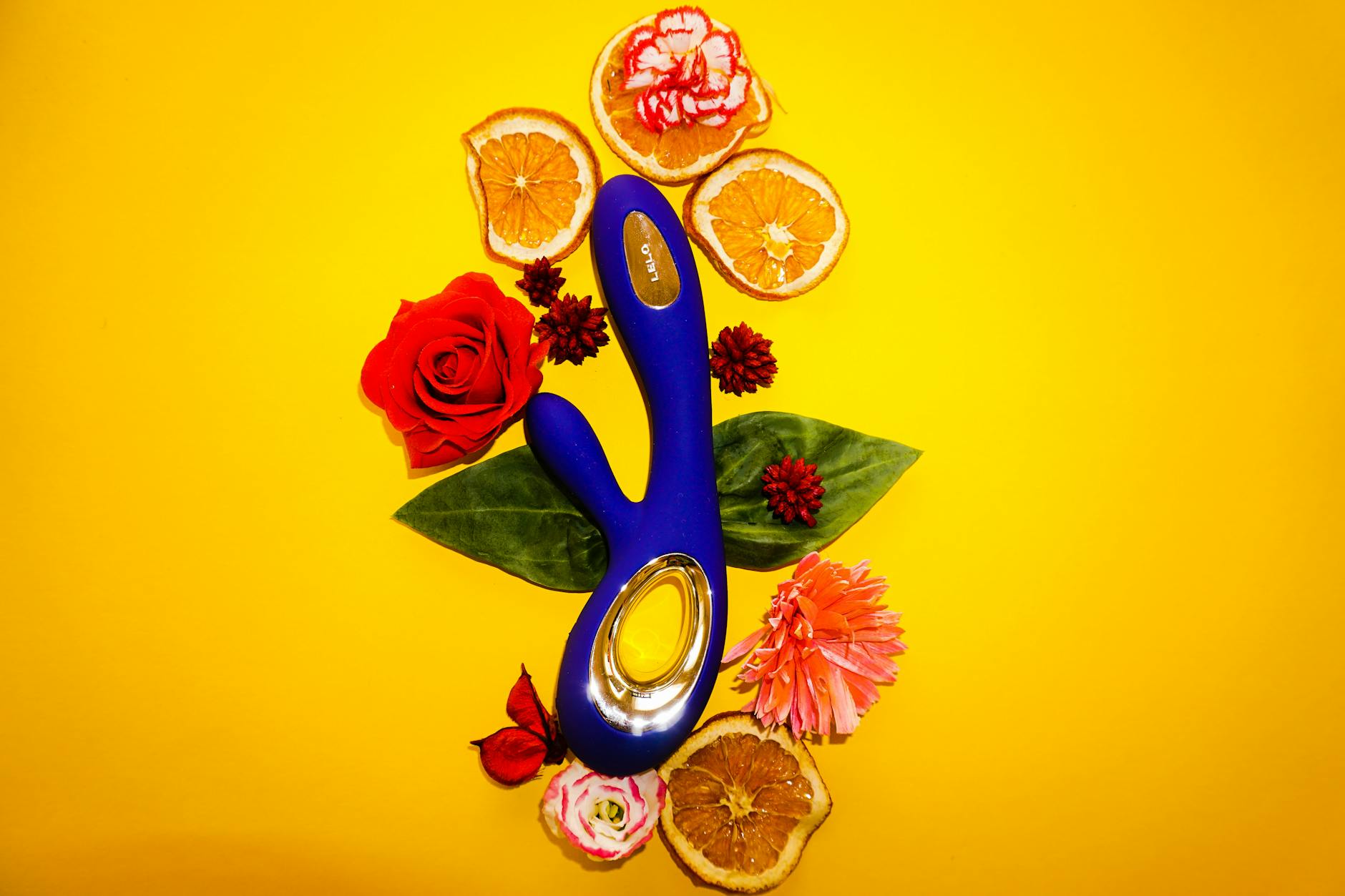
Here's where lemon vibrators come in. Not as a performance hack, but as a tool for slowing everything down and giving you back agency over your own pleasure. They help you say yes because you want to, not because you feel like you have to.
Let's talk about what pressured intimacy actually does to your nervous system, and how to rebuild trust in your own desires.
What happens when intimacy becomes obligatory
Your brain is brilliant at reading expectations. When sex shifts from "something we both want" to "something one of us expects," your nervous system flags it as threat. Not danger like a car crash. But threat like a performance review. Your sympathetic nervous system activates. Your muscles tighten. Arousal gets harder. Your body is literally protecting you from something that feels demanded rather than desired.
This isn't laziness. It's not low libido. It's your body doing exactly what it's supposed to do: refusing to connect during something that's lost its sense of mutuality.
That refusal is actually information. Pay attention to it.
When you feel pressured about sex, your clitoris is often the first place to shut down. The tissue becomes less responsive. Lubrication doesn't flow the same way. Touch that used to feel good starts to feel either numb or irritating. You might find yourself thinking about the grocery list during sex. You might feel nothing at all. Or you might feel resentful. All of these are your nervous system saying: "Something here isn't safe."
The lemon vibrator as a reset tool
Lemon vibrators, especially ones designed for clitoral suction like those from Hallo Nancy Lem, work differently than traditional vibrators. They don't depend on friction. They use gentle suction to stimulate the clitoral complex, which means they can bypass some of the tension and numbness that comes with pressure.
But the real power isn't in the device itself. It's in what it represents: pleasure that's entirely yours. Not negotiated. Not timed. Not about someone else's timeline or expectations.
Using a lemon clitoral vibrator alone, first, is a reclamation act. You're telling your nervous system: "This is safe. This is about what I want." That message matters more than the orgasm.
How to use lemon vibrators to rebuild trust in your body
Start alone. This is non-negotiable if you're coming out of a pressured dynamic.
Set aside 20 to 30 minutes. Not rushed. Not squeezed between other things. Make it a ritual. Light a candle if that helps. Put your phone in another room. You're creating a container where there's zero expectation.
Begin without the vibrator. Touch yourself the way you used to enjoy being touched, before things felt obligatory. If you can't remember what that felt like, try different speeds and patterns and notice what actually feels good, not what you think you should be doing. This might take several sessions. That's okay.
Once you've spent time reconnecting with what pleasure actually feels like without a device, introduce the lemon vibrator. Start at the lowest setting. The suction sensation is different from vibration. Some people find it more intense, some find it gentler. There's no wrong response.
The goal here isn't to come. It's to feel something that's just for you. To spend time in your body without worrying about anyone else's satisfaction. To remember what turned you on before the pressure set in.
Having the conversation with your partner
Honestly though, the lemon vibrator is only half the equation. The other half is talking to your partner about what's happened.
Most couples don't know how to say "I feel pressured about sex without hurting your feelings." So they don't say it. They just stop having sex. Or they have sex resentfully. And the resentment spreads to other parts of the relationship.
Here's what actually helps: separating the conversation into two parts.
Part one: "I've been feeling obligated during sex, and that's made it hard for me to feel desire. That's not about you. That's about me needing to reclaim some autonomy over my own pleasure."
Part two: "I'd like us to find a way forward that feels good to both of us. That probably means sometimes saying no without it being about our relationship. And sometimes using tools like a vibrator that help me feel more connected to my body."
Your partner might feel rejected. That's real, and it deserves acknowledgment. But rejection of pressure isn't rejection of them. Help them understand that difference.
Reintegrating pleasure into partnership
Once you've spent time rebuilding your relationship with your own pleasure, you can start thinking about sharing it again.
This doesn't have to look like partnered sex the way it did before. It can look like using a lemon sucker while your partner watches. It can look like them using it on you. It can look like exploring together without any expectation of penetration or orgasm. The point is choice.
When you have the freedom to say "not right now" without guilt, the yes becomes real again. When your body isn't bracing against demands, it softens. And when it softens, desire returns.
That's not guaranteed to happen on a timeline. It might take weeks or months. But I've watched couples rebuild real intimacy this way, starting from a place that felt completely dead.
Setting boundaries that actually stick
Boundaries about sex often fail because they're not followed up with actions. You say "I need more time to feel ready" and then you feel guilty and rush it anyway.
Using a lemon vibrator gives you something concrete to point to. "I need 15 minutes alone with my vibrator first." "I'm not feeling touch right now, but I'd like to use the Lem and have you close by." These are specific, doable requests that don't ask someone to guess at what you need.
Boundaries also fail when there's no follow-through from the partner. If you ask for space and they keep pushing, that's a bigger issue. Therapy might help. But if they're willing to respect your needs, this process works.
The long view
Pressure in relationships rarely fixes itself. It grows. It spreads. It turns into resentment and then distance. Using a lemon vibrator, or any tool that helps you reclaim autonomy, isn't avoiding the conversation. It's the foundation that makes the conversation possible.
You deserve pleasure that feels like freedom, not obligation. When you can build that for yourself first, everything else gets easier.
People also ask
Can using a clitoral vibrator alone hurt my relationship?
Not if your partner understands what it's for. Using a lemon vibrator to rebuild your own pleasure isn't about replacing them. It's about giving yourself access to sensation and autonomy that got blocked by pressure. Most partners actually feel relief when the pressure lifts because they don't have to manage your pleasure anymore. You're managing it. The relationship usually improves.
How do I explain to my partner why I need to use a lemon sucker alone?
Try this: "I need to spend time reconnecting with my own pleasure first. When I feel obligated, my body shuts down. Taking that pressure off myself means I can actually want you again." Frame it as a positive step toward better intimacy, not a rejection of them. Most people can understand that.
What if my partner feels threatened by the vibrator?
That's often about deeper insecurity. A lemon vibrator isn't competition. It can't provide emotional intimacy or companionship. But the insecurity usually has roots. If he or she is worried the vibrator means you don't want them anymore, that's a conversation about what you do want. Sometimes that takes a therapist. It's worth the investment.
How long does it usually take to feel pleasure again after pressure kills desire?
Depends on how long the pressure went on and how deep the resentment runs. Some people reconnect to pleasure in a few weeks of solo exploration. Others take months. There's no failure in that. You're rewiring your nervous system's relationship to sex. That takes time.
Can lemon vibrators help if the pressure comes from me, not my partner?
Absolutely. Some people put enormous pressure on themselves to orgasm, to be sexy, to perform. A lemon vibrator can help because it takes the focus off outcome. The suction sensation is often more about sensation than performance. You're allowed to just feel good without needing to come. That shift alone changes everything.
What if we're in a sex-less relationship and vibrators feel too forward?
Then start with the conversation before the vibrator. You might say: "I've realized I've put so much pressure on us that sex stopped feeling possible. I'd like to rebuild my own connection to pleasure first. That might mean using a tool like a vibrator. I wanted to tell you because honesty matters to me." Some partners need to hear the intention before they can get on board.
Moving forward
Pressured intimacy is one of the most common things I see in my practice, and one of the most repairable. The couples who move through it are the ones who get specific about what went wrong and brave enough to rebuild from the foundation. A lemon vibrator from Hallo Nancy Lem can be part of that rebuilding. But the real work is reclaiming your own agency and being honest about what you need. Once you do that, everything shifts.