Here's the thing about illness and pleasure
Chronic illness doesn't just pause sex. It pauses your relationship with your own body. For months or years, your body becomes something to manage, endure, maybe resent. Pleasure gets filed away under "future projects." Then one day the flare backs off. The fatigue lifts a little. You feel a flutter of something that isn't pain.
That's not just desire returning. That's your body asking permission to feel good again.
Why reintroduction matters more than you think
After prolonged illness, your nervous system has learned to prioritize survival over sensation. Your pelvic floor may be tighter from months of bracing. Medication side effects might still be muting sensation even if the illness itself has quieted. And psychologically, there's often a learned wariness: if pleasure felt good before and then everything fell apart, there's a part of you protecting against that happening again.
This is why jumping back into pleasure the way you used to doesn't work. Your body isn't the same body that got sick. That's not a setback. That's just biology. It means the approach needs to be gentler, more deliberate, and honestly more interesting than what came before.
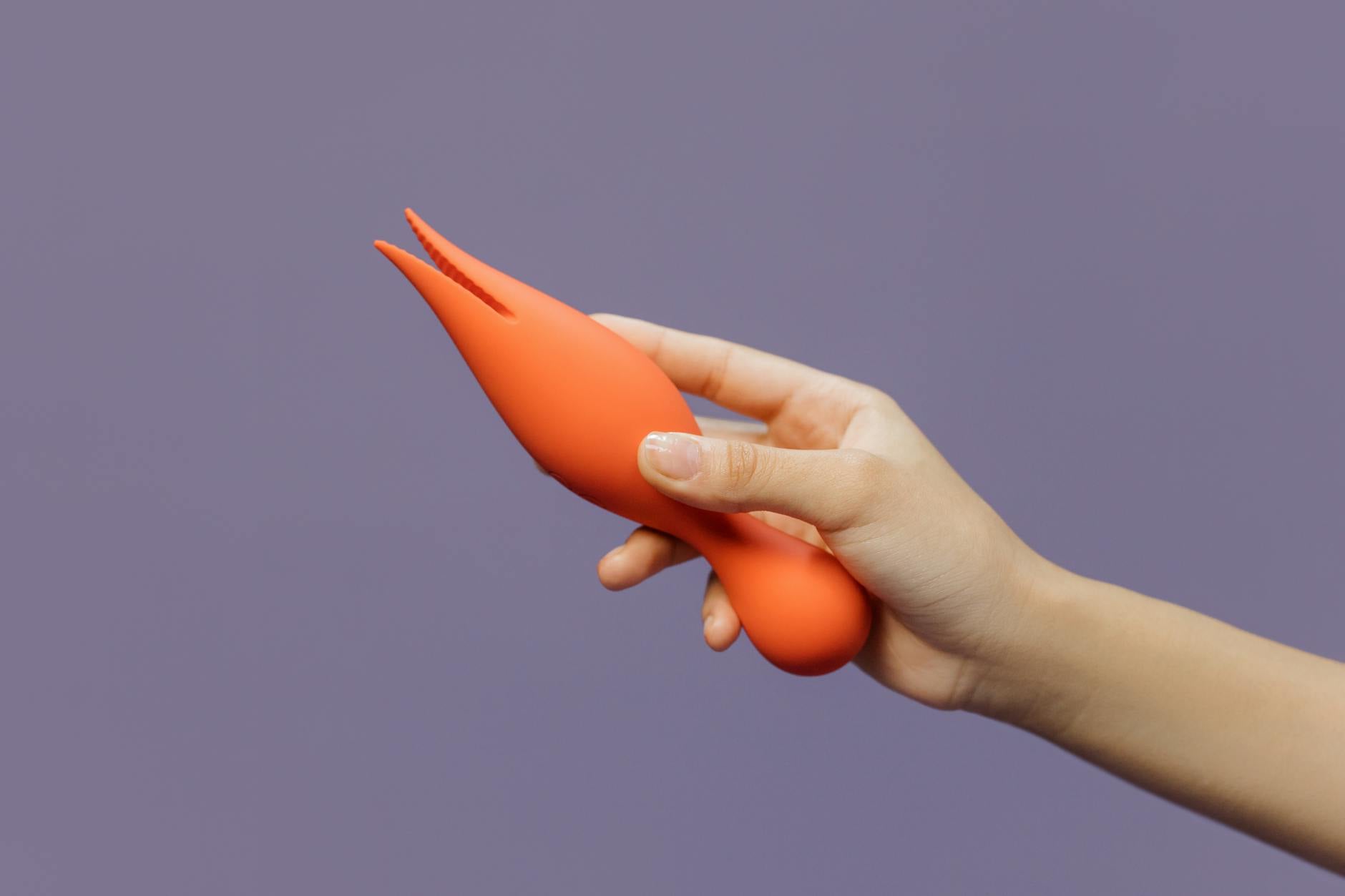
Lemon clitoral vibrators designed with suction stimulation, like the Lem, are particularly useful during this window because they don't require the same direct physical pressure that traditional vibrators do. They work with your nervous system instead of against it.
Starting with lowered expectations (the good kind)
The first rule of pleasure after illness: forget about orgasm. Seriously. Orgasm as the goal will sabotage you. Instead, the goal for the first few weeks is sensation recognition. Can you feel pleasure without it leading anywhere? Can you be turned on and then just... stop?
This sounds weird but it rewires your nervous system's relationship to pleasure. It says "feeling good is safe. Feeling good doesn't have to mean anything. Feeling good can just be feeling good."
Start with your Lem on the lowest setting. Two minutes. That's it. Not because you can't do more, but because you're teaching your body that pleasure is available in small doses. Your nervous system needs evidence that feeling good doesn't trigger a collapse. The first five times you do this, there should be no expectation of climax. Genuinely none.
The role of context and timing
When you're recovering from chronic illness, energy is a real currency. You might have thirty minutes of "good time" before fatigue or pain creeps back in. Use those thirty minutes strategically. Not rushed. Not performing for a partner. Just you, your body, and time to actually notice what's happening.
I recommend scheduling this intentionally. Not romantic candlelight scheduling. Calendar scheduling. "Tuesday at 2 p.m. when the house is quiet and I've already done the hard tasks." This takes the spontaneity pressure off and makes it logistically possible. Anticipation actually helps your nervous system prepare.
Temperature also matters. If you've been dealing with chronic pain, your body might be hypersensitive to temperature changes. Make sure your environment is warm. Have your Lem within reach. Have water nearby. These small logistics prevent the interruption that derails the whole experience.
Lubrication becomes non-negotiable
After illness, tissue can be drier. Medication side effects, hormonal changes from stress, reduced blood flow to your genitals during recovery. Even if you don't think you need it, use lube anyway. Water-based, always, since you're using a silicone toy.
Lube does two things: it reduces friction that might feel uncomfortable, and it signals to your nervous system that this is a pleasure activity, not a medical one. The physical sensation of applying it is part of the permission structure.
Start with a small amount. More is easy to add. You're not trying to feel a flood of sensation right now. You're trying to feel sensation without discomfort.
When sensation feels muted (and why that's normal)
After months of illness, your clitoris might feel less responsive than before. This isn't permanent. It's inflammation and desensitization from disuse, and it reverses faster than you'd think. But the frustration of expecting to feel something and feeling a fraction of it is real.
Instead of pushing harder, go slower. Spend more time on lower settings. The Lem's gentle suction design actually helps here because it's stimulating the whole clitoral complex, not just the visible tip. You might discover that you can reach sensation in a different way than before. Different isn't worse. It's often better, once you stop comparing it to the old way.
If you have a partner, this is the conversation to have early: "I'm exploring sensation again. It might feel different than before. That's fine. I'm here to notice, not to perform." That distinction prevents your partner from becoming the accountability mirror for your own pleasure.
Building tolerance gradually (not capacity)
There's a difference between building tolerance and chasing intensity. After illness, you want tolerance. You want your nervous system to recognize that sustained pleasure is safe.
Week one through two: patterns 1-2, two to three minutes, every other day. Week three through four: add pattern 3 if it feels good, same duration. Week five: you can start playing with longer sessions, maybe five to ten minutes, if your energy genuinely supports it.
This timeline assumes your chronic illness is currently stable. If you're still in active symptoms, slow it down further. Your body will tell you when it's ready. The temptation to accelerate because "finally I can" is understandable and also the fastest way to crash.
When to involve a partner (if applicable)
If you have a partner, the worst time to involve them is when you're still figuring out your own sensation. Get three solid weeks of solo exploration under your belt first. This isn't about secrecy. It's about building a functional template before adding another nervous system to the equation.
When you're ready, start with them present but not participating. You're using your Lem while they read or exist nearby. Next step: they're watching, maybe touching you in other ways. Only after you've done that a few times does it become mutual.
Partners often want to "help" you get back to pleasure faster. They mean well. But rushing this process usually creates performance pressure, which paralyzes the whole thing. Slow is actually generous. Slow is actually how you rebuild genuine desire instead of obligation.
The psychological piece nobody talks about
Your body just woke up from a long sleep. There might be complicated feelings about that. Grief that it took so long. Anger that you lost time. Fear that it'll happen again. These are normal and they live alongside the excitement.
If you notice yourself getting anxious during pleasure sessions, pause. Don't push through. Anxiety is information. Your nervous system is telling you something doesn't feel safe yet. Honor that. You can always come back to it.
Some people find it helpful to work with a therapist during this window, especially if the chronic illness was triggering or traumatic. That's not weakness. That's being smart about rewiring your nervous system's safety signals.
FAQ
How long does it usually take for sensation to fully return after chronic illness?
There's no universal timeline, but most people report noticeably improved sensation within four to six weeks of consistent, gentle reintroduction. Full confidence usually takes three to four months. The first two weeks are about nervous system recalibration, not sensation recovery. Expect the real changes to start week three. If you're not seeing shifts by week eight, that's worth discussing with your doctor or a pelvic floor specialist, as there might be underlying factors like medication side effects or persistent inflammation.
Can I use a lemon clitoral vibrator if I'm still experiencing pain or symptoms?
It depends on the type of pain. Sharp, acute pain means stop and check with your provider. Dull achiness or fatigue afterward is different and usually settles within an hour. Most people recovering from chronic illness can use gentle vibrators before they feel ready for other physical activity. That said, every illness is different. Clear it with your medical team first, especially if you're dealing with pelvic pain or conditions like endometriosis or vulvodynia where vibration sometimes aggravates symptoms. When in doubt, ask a pelvic floor physical therapist.
Should I tell my doctor I'm using a vibrator during recovery?
If you're working with a pelvic floor specialist or a therapist, yes. They need the full picture of what your body is experiencing. Your regular doctor doesn't need the details, but if you're on medications that affect sensation or if you're recovering from gynecological issues, it's worth mentioning that you're gradually reintroducing sexual activity and asking if there's anything they want you to know. Most providers are clinical about this and genuinely want to support your full recovery, including sexual wellness.
What if sensation still feels muted after eight weeks of using a lemon vibrator?
There are several possible culprits. Medication side effects are common, especially with antihistamines, antidepressants, and certain pain medications. Hormonal changes from stress or illness can persist. Pelvic floor tension from chronic bracing doesn't always release on its own. Inflammation in the pelvic tissue can take longer to resolve. Any of these is worth addressing with your provider or a pelvic floor physical therapist. Sometimes a few sessions of pelvic floor release work, or a medication adjustment, or topical treatments can make a real difference.
Is it normal to feel emotional during pleasure sessions after illness?
Completely normal. Your body is healing. Your nervous system is learning that pleasure is safe again. Sometimes that releases emotions that got locked in during the illness. You might feel sad, grateful, angry, relieved, or a confusing blend of all of them. Let it happen. Cry if you need to. Your body knows what it needs to process. This is actually a sign that real rewiring is happening, not a sign something is wrong.
Can I use my Lem if I still have brain fog or fatigue from my illness?
Yes, and actually, many people find gentle vibration helpful during lingering fatigue because it doesn't require physical exertion from you. You're receiving sensation rather than generating it. That said, pick a time when your brain fog is lowest, usually mornings or right after a rest. Don't try to push through intense fatigue. Your nervous system is already working hard. Pleasure should feel like a break, not another task. If you're still dealing with significant post-viral symptoms or ME/CFS, check with your provider before starting any new physical activity, including vibrator use.
Your body is ready when you are
The beautiful thing about pleasure returning after illness is that you get to rebuild it intentionally. You're not recreating what was there before. You're building something smarter, more attuned, more honest about what your body actually needs.
Lemon clitoral vibrators work particularly well during this transition because they meet your body where it actually is, not where you want it to be. They're gentle enough for sensitive tissue, responsive enough to reconnect you with sensation, and powerful enough that you can explore different settings as your confidence returns.
Start small. Be patient. Trust the timeline. Your nervous system knows what it's doing. If you have questions about how to move forward with your recovery or want to explore this conversation further, reach out. We're here.
Reference: Pelvic Health Physical Therapy Association; American College of Obstetricians and Gynecologists (ACOG) guidelines on sexual health after illness; research from the Journal of Sexual Medicine on sensation recovery timelines.