The disconnect is real (and wildly common)
Let's be real: there's a particular kind of frustration that happens when your mind is completely ready for pleasure, but your body feels like it's moving through molasses. You want to feel turned on. You're thinking about it. You're willing. And yet your body isn't catching up.
This is what I call the arousal gap, and it shows up most often when hormones shift. Birth control changes, cycle shifts during perimenopause, hormonal IUD adjustments, or even just aging. The nervous system is slower to wake up. Blood flow takes longer to arrive. Sensation feels muted or distant. Your desire hasn't budged. Your response has.
Why hormonal shifts create this specific gap
Here's what's happening physiologically. Estrogen, progesterone, and testosterone all influence how quickly blood flows to the clitoris, how sensitive nerve endings feel, and how readily the parasympathetic nervous system (your pleasure system) activates. When any of these hormones shift, your arousal timeline changes first. Desire often lags behind or stays exactly the same.
Think of it like this: desire is the gas pedal. Arousal is how quickly the car responds. Hormonal changes don't always affect the pedal. They affect the engine.
The clitoris is incredibly sensitive to these shifts because it relies heavily on blood flow and hormone-responsive tissue. When circulation takes longer to build, or when that tissue becomes less reactive to stimulation, the first signal you get is usually: "Nothing's happening." That's not true. Something is happening. It's just slower.
The problem with waiting for your body to "catch up"
Most people try to solve this gap by being more patient. Give it more time. Wait for arousal to arrive naturally. Maybe it will. But waiting often just creates more frustration and a tighter feedback loop of anxiety about whether this new normal is permanent.
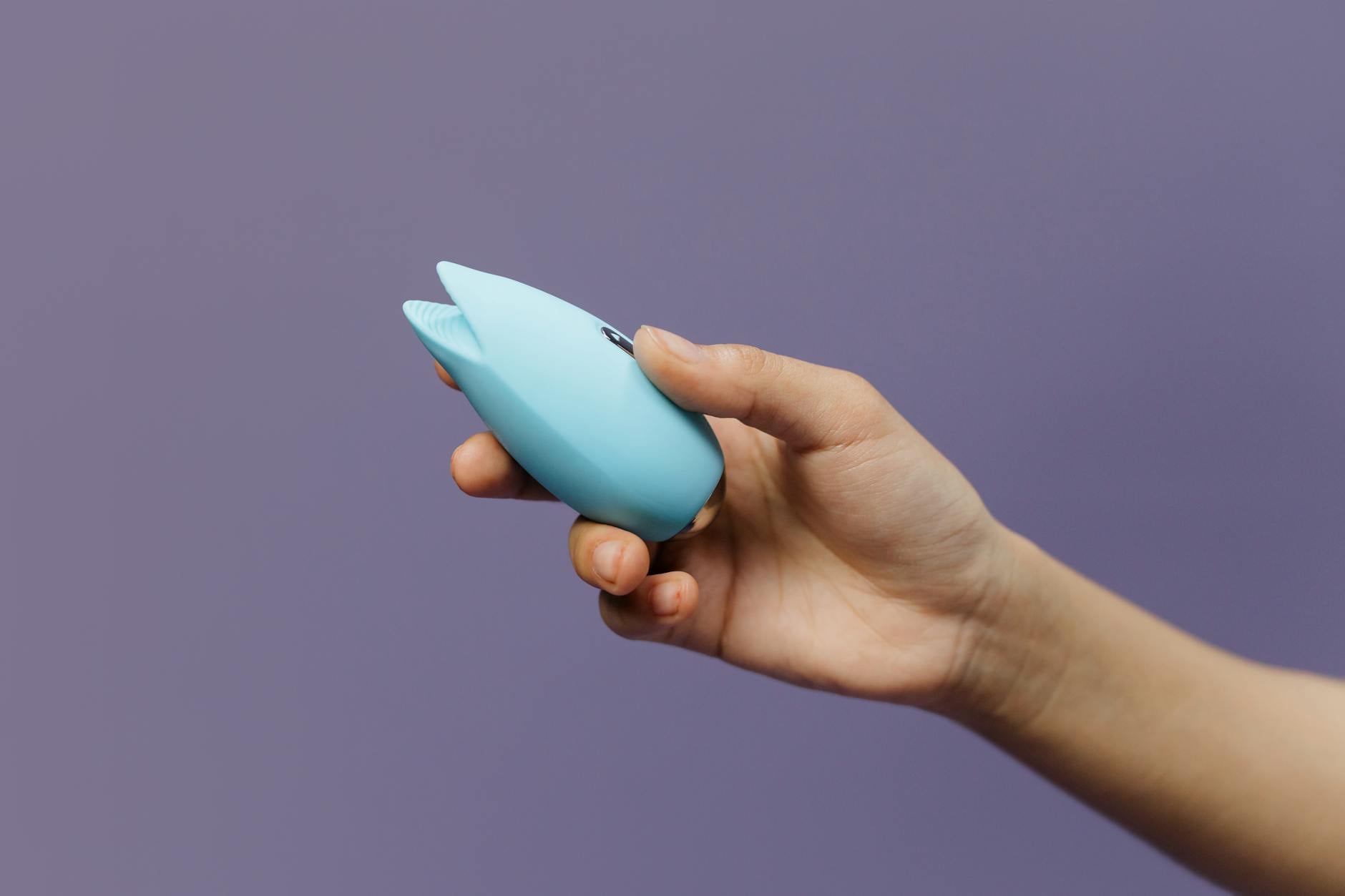
Here's what I recommend instead: stop waiting for spontaneous arousal to match your desire. Use tools that work with your current body, not against it. A lemon clitoral vibrator like the Lem is designed specifically for this mismatch. Air-suction technology stimulates the clitoris in a way that bypasses some of those slower physiological pathways and directly engages the nerve endings that respond fastest.
How air-suction lemon vibrators work differently
Most vibrators create pleasure through friction and vibration patterns. The Lem and similar lemon suckers work through suction, which mimics the most naturally pleasurable sensation the clitoris responds to. That's not a coincidence. The suction mechanism creates consistent, buildable stimulation without the mechanical pressure that can feel jarring on hormone-sensitive tissue.
For people experiencing an arousal gap, this matters because suction stimulation can work even when the body's natural lubrication is slower to arrive. It doesn't require the same level of pre-existing arousal that friction-based stimulation does. You can start with lower suction intensity and gradually increase it as sensation builds. This gives your nervous system permission to move at its own pace without you holding your breath waiting for it to happen.
The five-minute bridge technique
Here's a practical framework I use with clients who feel disconnected from their arousal:
Minutes 0-1. Get settled. This is not foreplay. This is setup. Use water-based lubricant generously on and around the clitoris. This isn't because something is wrong with you. It's because you're working with a slower-moving system, and lube removes friction and increases sensation. Start with the Lem on the lowest suction setting.
Minutes 1-2. Build lowest intensity. Stay with pattern 1 or the gentlest suction setting for a full minute. Your body needs this time to register what's happening. You're not trying to feel pleasure yet. You're just introducing sensation.
Minutes 2-4. Gradually increase. Move to pattern 2, then 3, as sensation builds. This is where the bridge gets built. Your nervous system is now receiving consistent, buildable input. Arousal starts to follow. Most people feel a shift here.
Minutes 4+. Response deepens. Once you feel the clitoris responding (swelling, increased sensitivity, warmth), you have options. Keep the same pattern and let it build toward orgasm. Or explore higher patterns if that feels good. You're no longer chasing arousal. It's present.
The key is not rushing through the first two minutes. That's the bridge time. Skipping it because "nothing is happening yet" defeats the purpose.
How to use this with a partner
If you have a partner, the arousal gap can create tension because they might interpret slower response as lower desire. It's not. It's a timing mismatch.
I recommend having the lemon vibrator part of your shared intimate toolkit, not a workaround. "I'm going to use the Lem because my body needs a few minutes to wake up right now" is a completely different conversation than trying to force natural arousal that isn't arriving on their timeline.
Many couples find that using a clitoral vibrator together actually shortens the gap over time. Your partner can be present, engaged, and using this time to connect in other ways. The pressure lifts. Then pleasure follows more easily.
When to check your other variables
If the arousal gap is new and consistent, it's worth a quick inventory of other factors. Stress and tension create their own arousal muting. So does fatigue, certain medications, and relationship dynamics. A lemon clitoral vibrator will absolutely help bridge the gap, but if the gap is paired with completely flattened desire (not just slower arousal), or with pain, that's worth checking out with a healthcare provider.
Ditto if you switched birth control or started a new medication recently. Sometimes the gap is temporary as your body adjusts. Sometimes it's a sign the current method isn't working for you.
See How to Use Lemon Vibrators When Sensation Feels Numb After Hormonal Birth Control for more on that specific situation.
What you might notice as you rebuild the bridge
In the first few uses, you might just notice that the lemon vibrator helps you reach orgasm when natural arousal feels distant. That's useful. Keep going.
After a few weeks of regular use, many people notice something subtly different: their baseline arousal starts to pick up. The gap narrows. This happens because you're giving your nervous system consistent, positive input. Your body learns that pleasure is available and attainable even if it's not spontaneous.
Some people also notice that once they stop putting pressure on themselves to feel spontaneous arousal, spontaneous arousal actually returns. That's the feedback loop breaking in the other direction.
The arousal gap doesn't mean something is broken
I want to be clear here: a slower arousal response is not a malfunction. It's a variation. Your body is working exactly as designed given the hormonal environment it's in right now. Using a lemon clitoral vibrator isn't a band-aid for broken physiology. It's a tool that works with your current nervous system to help you access the pleasure you actually want.
Your desire matters. Your timeline matters. The gap between them is worth closing not because you're supposed to feel a certain way, but because you deserve to feel the way you want to feel. That's what Hallo Nancy Lem's lemon suction vibrators are built for.
Common questions about arousal and vibrator use
Can using a vibrator too often make natural arousal worse?
No. This is a myth. What happens instead is that regular vibrator use can actually help recalibrate your nervous system's sensitivity. It teaches your body that pleasure is accessible, which sometimes makes spontaneous arousal easier over time, not harder. That said, if you use a vibrator during every single intimate moment with a partner and never explore other kinds of touch, you might create a pattern where that specific stimulation feels most reliable. Vary it. Use the vibrator sometimes, use manual stimulation sometimes. Your body thrives on variety.
Does the arousal gap mean my desire is lowering?
Not necessarily. Desire (wanting sex) and arousal (your body's response) are two separate systems. You can have strong desire with slow arousal. You can have high arousal with low desire. Hormonal shifts often affect one more than the other. The gap usually means one system is moving slower, not that either is declining.
How long should I spend on lower suction settings before moving up?
At least a minute, ideally two. Your clitoris needs time to recognize stimulation and begin responding. If you jump to high intensity before sensation registers, it might feel uncomfortable or too intense. The Lem's suction design is built for this gradual escalation. Trust the process.
Is it normal for arousal to feel different after hormonal changes?
Completely. Your nervous system is literally responding to different chemical signals. Different doesn't mean broken. It means you're working with a new arousal map. That map is navigable. Tools like the Lem help you explore it.
Can a partner help close the arousal gap, or does it need the vibrator?
A partner can absolutely help. What matters is consistency and pressure-free time. If your partner understands that your arousal timeline is slower right now and creates space for that without making it weird, often arousal builds more easily. The vibrator is helpful because it's consistent, predictable, and takes the pressure off both of you to perform a certain way.
What if I'm using a lemon vibrator correctly but still feel nothing?
A few things to check: Are you using enough lubrication? Is the positioning correct (suction cup should seal fully around the clitoris)? Are you giving the first few minutes their full attention, or mentally rushing? Are you stressed or tired? Sometimes the answer is just "my body needs more time," which is fine. Sometimes it's worth checking with a healthcare provider to rule out other factors affecting sensation. Either way, you're not broken.
The bridge is yours to cross
Arousal gaps created by hormonal shifts aren't permanent, even though they feel that way in the moment. They're navigable. You have desire. You have a body. You have tools like lemon clitoral vibrators that work with both. The gap closes not because you force it, but because you approach it with patience, the right technique, and permission to let your nervous system move at its actual pace.
Your pleasure is worth that attention. If you want to explore more about rebuilding connection after any kind of shift, reach out. We're here to help.