Let's be real about distance
Emotional distance doesn't announce itself with a bang. It creeps in sideways. One partner works late three nights a week. The other stops asking about their day. Sex becomes perfunctory, then infrequent, then nonexistent. Within months, you're sharing a bed and a life but not much else.
Here's the part nobody tells you: introducing a toy at this stage isn't about the toy at all. It's about permission. Permission to want each other again. Permission to be vulnerable. Permission to admit the distance exists and try something different.
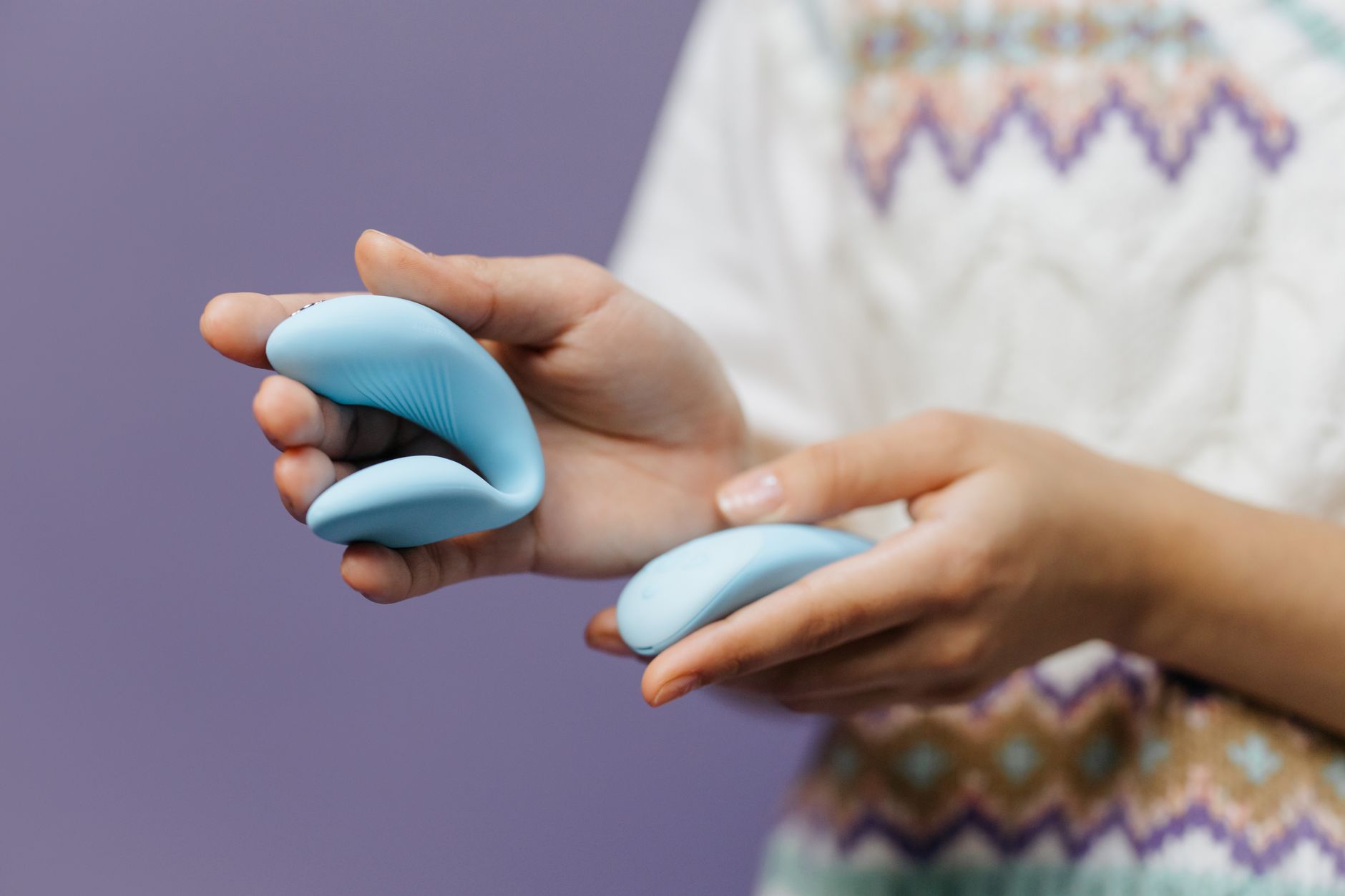
Lemon clitoral vibrators, specifically, can shift that dynamic because they're less intimidating than a wand or a larger toy. They're compact, focused, and they feel intentional rather than desperate.
Why distance kills desire before it kills anything else
When I work with couples in my practice, I see the same pattern repeatedly. Physical distance follows emotional distance by months, sometimes years. You can't have good sex with someone you've stopped talking to. Your body knows this before your mind does.
The disconnection shows up as:
- Quickened sex (if it happens at all) with minimal foreplay
- Orgasms that feel hollow or one-sided
- A sense that you're performing for someone rather than with them
- Touch that feels obligatory, not desired
Lemon adult toys don't fix emotional distance. But they can interrupt the silence. They give you and your partner something new to navigate together, which is radically different from the deflection patterns most distant couples fall into.
The conversation before the toy arrives
This is the part that changes everything. Don't surprise your partner with a lemon vibrator. That's a disaster. Instead, have the conversation when you're clothed and not in bed.
Say something like: "I've noticed we've drifted. I miss you. I want to try something that might help us reconnect. Would you be open to exploring that together?"
Then listen. Not to defend. To hear.
If your partner is resistant, don't push. But often, distance is bilateral resentment that looks like apathy. Your partner probably misses you too. They're just scared to say it.
Once they've agreed, talk about what a lemon sexual toy session would look like. Who initiates? Do you start clothed or undressed? Is it solo exploration you're doing together, or are you touching each other? These details matter because they prevent the awkwardness that kills fragile moments.
How lemon vibrators work differently for reconnection
Lemon clitoral vibrators use suction technology. That means the stimulation is broad, sustained, and less intense than direct vibration. It feels less clinical than a wand and less aggressive than a bullet.
For couples rebuilding intimacy, this matters because:
1. It's easier to pause and talk. With a lem vibrator, you're not fighting against high-frequency vibration to have a moment of presence with your partner. You can turn it down, take a breath, make eye contact. That presence is what you're actually rebuilding.
2. Orgasms feel less performative. Because lemon vibrators typically build sensation more gradually, you're less likely to fake it. And when you stop faking, your partner stops performing. Actual desire creeps back in.
3. It's a shared object, not a replacement. Wands and larger toys can feel like your partner is watching you use something else. A lem vibrator is smaller, feels more like a tool you're using together rather than a barrier between you.
A framework for the first session together
Honestly though, the best aphrodisiac for distant couples is structure. Knowing what's going to happen removes the anxiety that kills arousal.
Here's what I recommend:
Before: Set a specific time (not "whenever"), in a specific place. Dim lighting, minimal distractions. You're carving out dedicated time for each other. That alone is healing.
Opening: Start clothed. Sit facing each other. Take turns sharing one thing you miss about physical closeness with your partner. Not a compliment. A specific memory. "I miss the way you used to touch my shoulder when we were cooking dinner." This is the reconnection layer.
Exploration: One partner uses the lem vibrator on themselves while the other watches, touches them elsewhere on their body, or talks to them. This isn't about producing an orgasm. It's about being present.
After: Don't collapse into sleep. Talk about what you felt. What surprised you? What do you want to try next time? This conversation is where the real intimacy rebuilds.
Why solo exploration together matters more than you think
Many distant couples assume they need to be having penetrative sex or simultaneous orgasms to rebuild intimacy. The opposite is true.
When you use a lemon vibrator on yourself while your partner watches, you're showing them exactly what feels good. You're removing the guesswork that kills so many long-term relationships. Your partner gets to see you be vulnerable and selfish simultaneously, which is a rare and bonding thing.
Secondly, you're breaking the cycle of obligation. If your partner isn't ready to be touched, they don't have to be. If you're not ready to touch them, you don't have to fake it. You're both choosing this moment, not defaulting into it.
The practical logistics of actually doing this
Distance between partners often has a practical root. Kids in the next room. Work stress bleeding into evenings. Resentment about household labor. A lemon clitoral vibrator doesn't fix these things, but it does buy you space to address them.
One of my clients told me they'd been distant for two years. They'd stopped having sex entirely. When they finally carved out 30 minutes on a Friday afternoon (kids at school, work emails muted), they used a lem vibrator together for the first time. Not a ton happened sexually. But they laughed. Then they cried. Then they talked about why they'd been so angry.
The toy was incidental. The boundary was everything.
So practically: schedule sex. Don't wait for spontaneous desire to return. Book it like you'd book a therapist appointment. Close the door. Use a lem vibrator if it helps. But the ritual is what heals.
When distance is actually the problem you need to solve first
I want to be direct here. If the distance in your relationship is rooted in betrayal, abuse, or fundamental incompatibility, a toy won't fix it. Neither will anything else.
If your partner is emotionally unavailable because of untreated depression, addiction, or active affair, you need to address those things separately. A lemon vibrator can be part of rebuilding, but it can't be the whole architecture.
Couples therapy is worth the investment before you try this. A therapist can help you figure out whether distance is something you both want to close or whether it's the most honest expression of where you actually are.
How to keep intimacy from drifting again
Once you've had a session or two with your lemon sexual toy and reconnected, the work is to maintain it. Distance returns quietly.
Some couples find that weekly check-ins (clothed, not in bed) about how they're feeling helps. Others schedule sex monthly so it never becomes an afterthought. Some keep their lem vibrator on the nightstand as a visible reminder that this matters.
The framework is less important than the consistency. Pick something you'll actually do.
Here's the thing about rebuilding intimacy with a partner: you're not starting from scratch. The desire you had is still somewhere in both of you. It's just buried under months or years of small disconnections. A lemon vibrator is just scaffolding. The reconnection is what you're actually building.
FAQ: Rebuilding Intimacy and Lemon Vibrators
What if my partner thinks using a vibrator means I'm not satisfied with them?
This is the most common fear, and it's worth addressing directly. A lemon vibrator isn't a replacement for your partner. It's a tool, like a massage oil or a different position. In fact, using it together is an act of intimacy. You're sharing something vulnerable. That's the opposite of rejection.
Can a lemon clitoral vibrator actually help with emotional distance?
Not directly. But it can create a space where conversation and vulnerability become possible again. The vibrator is the excuse to be in the same room, undressed, and honest. That's where healing happens.
How often should we use a lem vibrator if we're trying to rebuild intimacy?
Start with once every two weeks. This prevents it from becoming routine (which kills the intention) but often enough that reconnection has momentum. Once you're both more comfortable, adjust based on what feels natural.
What if my partner says no to using a lemon vibrator together?
Respect that. But then ask why. Is it shame? Fear? Lack of desire? Those answers tell you what to actually address. Sometimes the "no" is about the vibrator. Sometimes it's about something deeper, like feeling unheard or resentful. Listen without defending.
Should we talk during sex or keep it quiet?
Talk. Especially when rebuilding intimacy. Ask each other what feels good. Say "I like this" or "can we slow down?" Silence works when you already have a foundation of trust. Distance requires conversation to heal.
Is it better to use a lemon vibrator solo or with my partner touching me too?
Start with hybrid. One partner uses the lem vibrator on themselves while the other touches their shoulders, their hair, their face. This keeps you connected without the pressure of simultaneous stimulation. Once you're both more comfortable, you can explore other variations.
The truth is this: distance doesn't end relationships. Silence does. A lemon vibrator, used intentionally, is just permission to talk again. And talking is where intimacy actually starts.
If you're ready to have that conversation with your partner, reach out to us. We're here to help.