How to Use Lemon Vibrators to Find Pleasure Again After Hormonal Menopause Changes
Let's be real: menopause changes how your body responds to touch. It doesn't kill pleasure. It rewires it.
The estrogen drop hits your tissues first. The clitoris gets less blood flow. Lubrication changes. The pelvic floor loses elasticity. All of this is real, and all of it is fixable. What most people don't hear is that many women report their most satisfying orgasms come after menopause, once they understand what's actually happening and have the right tools to work with it.
What menopause actually does to pleasure
Here's the physiological truth: estrogen and testosterone both drop during menopause. These hormones don't create pleasure. They create responsiveness. Think of them as amplifiers, not the sound itself. When the amplifier gets quieter, you need a stronger signal to get the same volume.
Your clitoris has about 8,000 nerve endings. Menopause doesn't kill those nerves. It changes how quickly they fire and how much stimulation they need. The vaginal tissue gets thinner and drier. The pelvic floor loses tone. Your brain's arousal pathways stay intact. Your capacity for orgasm remains. The plumbing changes. The electricity stays.
This is where lemon vibrators, specifically the suction-based design of the Lem, become genuinely useful. Unlike traditional vibrators that rely on speed and repetition, clitoral suction toys work with the thinner, more sensitive tissue you have post-menopause. They create a gentle seal around the clitoris and pulse rhythmically, which stimulates without the aggressive friction that can feel uncomfortable on more delicate tissue.
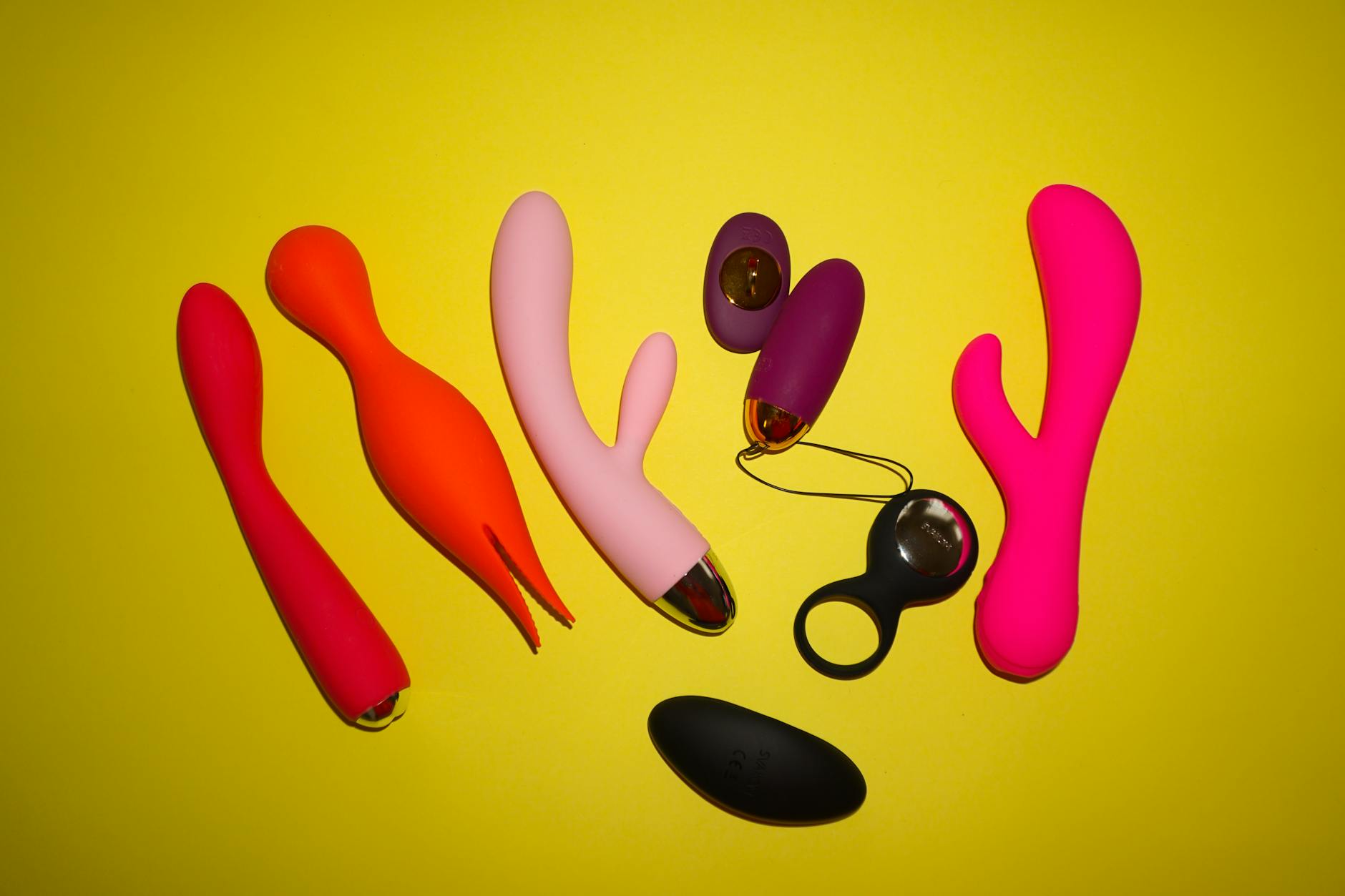
Photo by FounderTips on Pexels
Why your pleasure feels different now
Three things shift during menopause that directly change the pleasure experience:
1. Arousal takes longer. You're not broken. Your nervous system is asking for more time. What used to happen in 5 minutes might now take 15-20 minutes. Budget that time intentionally. Rushing makes everything harder.
2. Tissue sensitivity changes. Thinner vaginal tissue and a more sensitive clitoris mean direct pressure can feel too intense. This is why lemon sucker toys work so well. They distribute sensation over a wider area instead of focusing pressure on a single point.
3. Mental arousal matters more. With lower baseline hormones, the mental component of arousal becomes essential. Stress, partner disconnection, and worries about your changing body will interrupt the process faster than they used to. Clearing mental space is literally part of the technique now.
What doesn't change: your capacity for intense orgasms. In fact, many people report that orgasms during and after menopause feel different in better ways. More localized. Deeper. Longer. The experience shifts, but the potential doesn't diminish.
How to use a lemon clitoral vibrator post-menopause
If you've never used a clitoral vibrator, or you're returning to solo pleasure after menopause, here's the step-by-step approach that works.
Start with lubrication. Water-based is essential. Not because you're malfunctioning, but because thinner tissue responds better with slip. Apply directly to your vulva and to the toy. This removes friction and allows the suction mechanism to work properly.
Begin at a low setting. Lemon vibrators typically have 3-5 intensity levels. Start at level 1. Let your body adjust. You're not hunting for intensity yet. You're waking up sensation. Spend 3-5 minutes here, exploring how it feels on different parts of your vulva.
Work gradually upward. Once level 1 feels familiar, move to level 2. The progression teaches your nervous system what to expect. By the time you reach level 3 or 4, you've built a sensory foundation that makes the intensity feel integrated, not jarring.
Find your rhythm. Unlike traditional vibrators, lemon suction toys pulse naturally. You're not chasing stimulation. You're receiving it in waves. That rhythm becomes your partner. Some people move the toy slightly. Others stay still and let the pulsing do the work. Experiment within the same session.
Give yourself permission to take time. Post-menopause orgasms sometimes take 20-30 minutes. That's completely normal. You're not failing if you don't come immediately. You're learning a new language your body is speaking.
The mental component matters as much as the physical
Here's what surprises most people: the hardest part of pleasure after menopause isn't the tissue changes. It's the mindset. You've spent decades hearing that menopause ends sex. Your brain absorbed that message. So when you sit down to explore pleasure, that voice shows up: "This won't work anymore. Things are different now."
Yes, things are different. Different doesn't mean worse. But your nervous system needs permission to believe that. This is why consistency matters. Using a lemon vibrator once doesn't rewire belief. Using it regularly does. Each session is proof to your nervous system that pleasure is still available.
If you're with a partner, separate conversations help. "My body is responding differently to touch" is a logistics conversation. "I want us to feel closer" is an intimacy conversation. Menopause doesn't require you to have both at once. Often, exploring solo pleasure first, with tools like the Lem, makes partner intimacy easier because you know what works in your own body.
When tissue changes need specific help
If you're experiencing pain during sex (not discomfort, actual pain), that's genitourinary syndrome of menopause (GSM). It's treatable and common. A menopause-trained doctor can prescribe topical estrogen creams that rebuild vaginal tissue without significant systemic absorption. This takes 4-8 weeks but transforms the experience.
If desire has completely evaporated (not just changed texture, but genuinely absent), testosterone therapy is worth discussing with your doctor. It's often overlooked in conversations about menopause, but low testosterone is real and affects libido directly.
These aren't signs of failure. They're signals to get specific support.
The practical toolkit for success
You need four things to make this work:
Water-based lubricant. Always. Even if you're producing natural lubrication, extra slip makes everything easier. Keep it nearby.
Time. Schedule it like any other part of your health. Menopause didn't kill your need for pleasure. It changed the timeline. Give yourself 30-40 minutes when you're not rushed.
Privacy. Anxiety about interruption kills arousal faster than anything else. Lock the door. Put your phone in another room. Create actual space for this.
Tools designed for this phase of your body. This is why lemon clitoral vibrators work so well post-menopause. They're built for what your body needs now, not what it needed at 28.
Why lemon vibrators specifically work
Lemon vibrators, and suction-based designs in particular, approach stimulation differently than traditional vibrators. Instead of high-frequency vibration, they use gentle pulsing suction. For post-menopausal bodies, this matters.
Thinner tissue is more sensitive to pressure variations. Suction creates sensation across a broader area instead of concentrating it. The pulsing rhythm gives your nervous system time to respond between pulses. You're not racing to catch up with a fast vibration. You're moving in sync with a pattern your body recognizes.
Lemon adult toys in the suction category also tend to have gentler intensity curves. You're not choosing between "barely anything" and "way too much." The progression of settings actually works for post-menopausal tissue sensitivity.
The bigger picture: pleasure doesn't have an expiration date
Menopause is not a conclusion. It's a transition. Your pleasure response is shifting, not ending. The intensity, the timing, the type of stimulation that works best. All of it is in flux right now. That's disorienting and it's also an opportunity.
Many people describe post-menopause pleasure as more present, more located in sensation rather than performance, less complicated by fertility concerns or hormonal mood shifts. You're not losing pleasure. You're entering a phase where pleasure can actually get simpler and deeper.
Lemon vibrators help because they meet your body where it actually is, not where it used to be. They're tools designed for the tissue and responsiveness you have now. Combined with time, lubrication, and permission to explore at a new pace, they often unlock pleasure that feels richer than anything that came before.
Frequently Asked Questions
How long does it take to feel pleasure again after menopause changes?
Every body is different, but most people report noticing a shift within 2-3 weeks of consistent exploration. Pleasure isn't something you turn on. It's something you rebuild gradually. Some people feel immediate response the first time they use the right tool. Others need a few sessions for their nervous system to settle. Four weeks is a realistic timeline to establish a pattern and notice real difference.
Can I use a lemon vibrator if I have vaginal dryness?
Absolutely. In fact, that's one of the main reasons to use lemon suction vibrators during this phase. Pair it with water-based lubricant (always essential post-menopause) and the suction mechanism works even better because the seal is more pronounced. If dryness is severe or painful, talk to your doctor about vaginal estrogen creams first, but you can use vibrators alongside that treatment.
Will using a lemon vibrator make my tissue drier over time?
No. Vibrator use doesn't cause dryness. Menopause does. In fact, regular stimulation increases blood flow to the vulva, which can improve natural lubrication over time. The key is using enough external lubricant so you're not creating friction that might temporarily irritate thinner tissue.
What setting should I use on a lemon clitoral vibrator after menopause?
Start at level 1 and progress slowly. Many people find levels 2-3 work best for post-menopausal tissue because they provide stimulation without intensity. You're not chasing the highest setting. You're finding the level where you feel responsive and connected. Some days that's level 2. Other days it's level 4. Listen to what your body needs each time.
Can my partner use a lemon vibrator with me?
Yes, but approach it intentionally. If you've never introduced a vibrator to your partner, have that conversation first. Frame it as "my body is responding differently and I want us to explore together" rather than "something's wrong with me." Many couples find that learning how to use lemon vibrators together actually deepens intimacy because it forces a conversation about pleasure and permission.
Do I need to use lubricant if my body produces enough natural lubrication?
Even if you do produce natural lubrication post-menopause, adding water-based lubricant helps. Your natural lubrication might be less abundant than it used to be. Extra lubrication removes any friction, allows the suction mechanism to work optimally, and makes the whole experience smoother. It's not an extra step. It's part of the setup.
What if I don't feel pleasure even with the right tool and time?
This deserves professional support. Sometimes it's hormonal (low testosterone, thyroid issues). Sometimes it's medication side effects. Sometimes it's relationship dynamics or stress. A menopause-trained therapist or doctor can help you trace what's actually happening. In the meantime, keep exploring gently. Pressure to perform kills arousal. Curiosity opens it.
Menopause changes your body's pleasure response. It doesn't end your capacity for pleasure. With the right understanding of what's actually happening, the right tool designed for your tissue now, and permission to explore at a new pace, many people find that pleasure post-menopause is more intense and more present than ever before. Your body didn't break. It evolved. The sex toy aisle evolved too. Use that.