The thing nobody tells you about long-term couples and new toys
After ten years, twenty years, or thirty years together, the idea of bringing anything new into the bedroom can feel loaded. Like you're saying something's missing. Like you're pointing at your partner and saying, "This isn't enough anymore." So couples don't introduce lemon vibrators. They stay quiet about wanting them. And that silence becomes its own problem.
Here's what I've learned from years of working with established couples: a lemon clitoral vibrator isn't about what's missing. It's about what's possible. There's a difference, and it matters.
Why long-term couples hesitate (and why it's not what you think)
When I ask couples in their 40s, 50s, and beyond why they haven't tried a lemon vibrator together, the answers fall into predictable patterns. "She's never needed one." "It feels too clinical." "I'm worried it means I'm not doing my job."
That last one shows up in almost every conversation with long-term partners. The partner who provides manual stimulation hears "vibrator" and hears "insufficient." They hear rejection.
But that's not what a vibrator is. It's not a replacement. It's an amplifier. A lemon clitoral vibrator like the kind Hello Nancy makes doesn't do what a hand does. It can't replicate the warmth, the pressure variation, or the human intuition. What it does do is deliver consistent, focused stimulation to a specific area. That's mechanically different from any hand, and it opens possibilities both partners didn't have access to before.
Once couples understand that distinction, the hesitation usually lifts.
The conversation starter that actually works
Honestly, timing matters more than script. Don't bring this up during sex. Don't bring it up during conflict. Bring it up when you're both relaxed, clothed, and not in the bedroom. Over coffee. During a walk. In the car.
The opening matters. Don't lead with the toy. Lead with what you want. "I've been thinking about our sex life, and I want to explore something that might feel really good. Would you be open to trying something together?" That's not "You're not enough." That's "I want more of this with you."
If your partner says no immediately, sit with that. Find out what the real concern is. Often it's not the toy itself. It's anxiety about pleasure, performance, or change. Naming that directly takes the charge out of it.
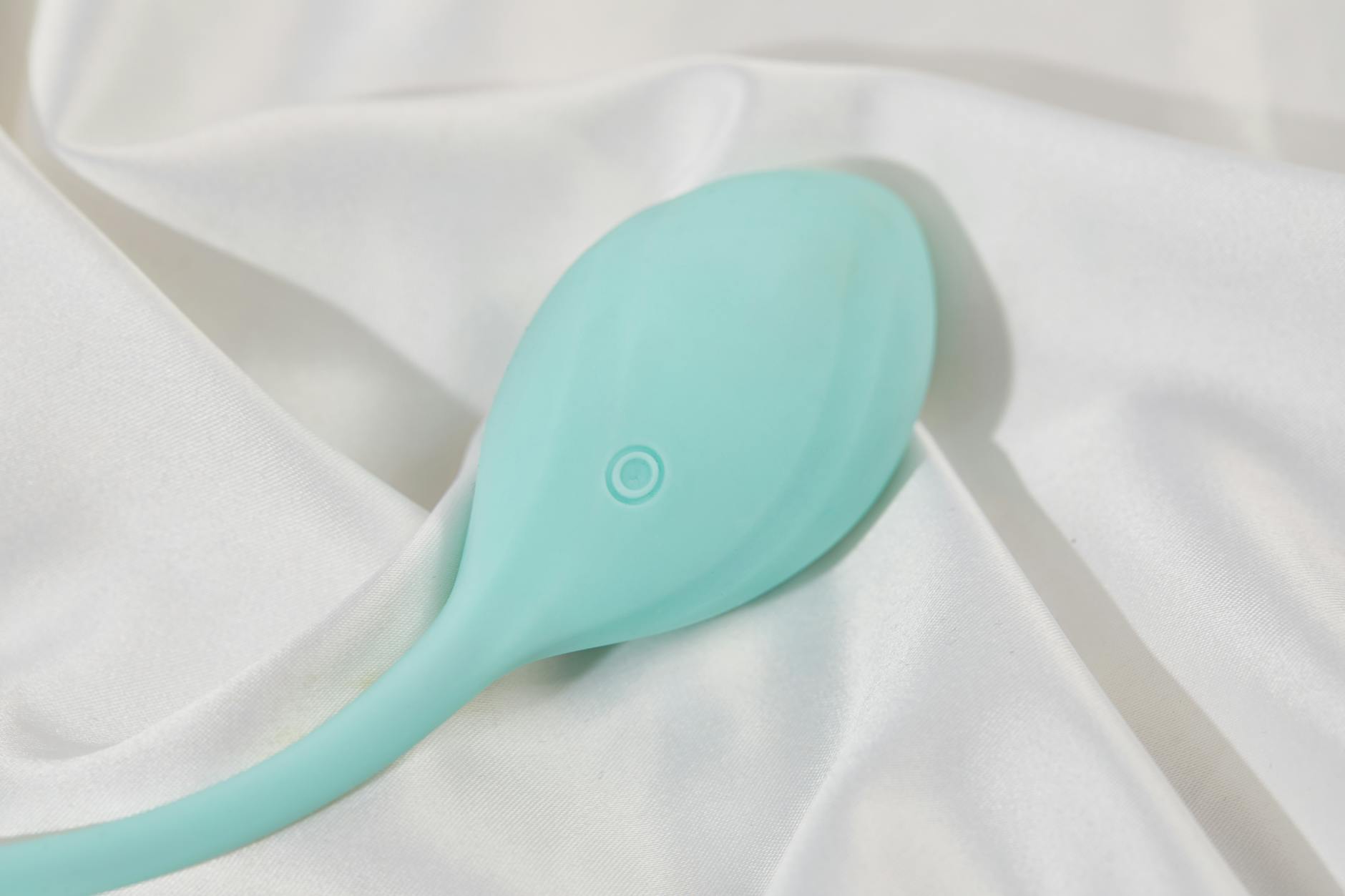
If your partner is open, show them the product. Let them hold it. Watch a video together. Make it normal. Lemon vibrators are sleek, quiet, and honestly, they look like they belong in a design magazine. Seeing the actual object instead of imagining something medical or intimidating changes the whole frame.
Starting small: the integration approach
Don't lead with "let's use it together during sex." That's too much pressure, especially the first time.
Start with solo exploration. Ask your partner if they'd feel comfortable using it on their own to see what sensations they like. This serves two purposes. First, they get comfortable with the device without performance pressure. Second, they can tell you exactly what they enjoy, which makes it way easier when you eventually integrate it together.
Once they've used it solo a few times, the next step is watching them use it. Not participating yet. Just presence. If you're the partner providing manual stimulation, this is where you watch and learn. You see which patterns they respond to. You see their face. You understand the experience from their perspective.
Then, and only then, do you combine. Maybe you use your hand alongside the vibrator. Maybe you hold it while they guide the intensity. Maybe you integrate it during foreplay but not during the main event. There's no right way. The right way is whatever both of you choose.
What to expect the first few times
Please hear this: it's rarely earth-shattering the first time. Lemon vibrators often feel intense initially, even when the intensity is set low. The sensation is unfamiliar. The brain is busy processing "what is this" instead of relaxing into pleasure.
Some people feel self-conscious. Some feel overstimulated. Some people's bodies don't respond the way they expected. All of that is normal. You're not doing anything wrong.
The window usually shifts by the third or fourth time. The novelty wears off. The body learns what's happening. The mind relaxes. That's when people often report that things actually feel amazing.
During those early sessions, communication is everything. Not performance-oriented communication ("Is this working?"). Actual information exchange. "The pattern feels too fast." "Lower, please." "I like this better than that." This is how you both learn what actually works.
The pacing question couples never ask
Here's something that shows up for long-term partners specifically. When you've been together for years, you usually have an established rhythm. Foreplay lasts a certain amount of time. Sex lasts a certain amount of time. Orgasm, if it happens, happens at a predictable point.
A lemon clitoral vibrator can disrupt that timing, especially early on. If the vibration is more efficient at producing orgasm than manual stimulation, you might be looking at a completely different arc. Some couples love this. Some hate it. Some need to negotiate a new rhythm.
Talk about this explicitly. "Do you want to use this as foreplay, or as the main event?" "Does it bother you if I come faster?" "Do you want me to ask before I start using it?" These conversations feel awkward, but they prevent resentment later.
Troubleshooting what actually comes up
One partner feels left out. This is common. If one person is using the vibrator and the other isn't, the person not using it can feel sidelined. The solution is integration, not rotation. Can you touch them while they use it? Can you use it on them? Can you both be doing something? The goal is connection, not parallel play.
One partner worries it'll become a dependency. Also common, especially if the vibrator makes orgasm easier. The truth: lemon vibrators don't rewire your body or make other touch feel numb. If someone's worried about this, the fix is to keep using your hands alongside the toy. Variety is your friend.
One partner doesn't feel much. This usually means it's set too high (you're numb) or too low (you can't feel it). Or you're not in the right headspace. Start over. Lower settings. More time. More foreplay. Check in.
Why this matters for long-term couples specifically
After years together, sex often becomes habitual. Not bad, just familiar. You know what to expect. Your partner knows what to expect. The anticipation, the uncertainty, the sense of discovery—that's gone.
A lemon vibrator doesn't fix that by itself. But it gives you something to explore together. It forces conversation. It requires presence. It opens up a channel of communication about desire that most established couples have kind of closed down.
I've worked with couples who've been together 25 years, and introducing a clitoral vibrator into their intimate life didn't just change sex. It changed how they talked to each other. It reminded them that curiosity and discovery were still possible. That they could still learn something new about each other.
That's worth the awkward conversation.
FAQ
Will my partner feel threatened if I ask for a vibrator?
Maybe, but probably not for the reason you think. The threat isn't about inadequacy—it's about change. Long-term partners get comfortable with consistency. A vibrator introduces variables. Frame it as exploration, not criticism. "I want to try this with you" is different from "I want this instead of you." After that conversation, most partners are curious more than threatened.
Should we buy it together or should I surprise them?
Buy it together. Let your partner choose. Let them see it before it enters your bedroom. This removes mystery and puts you both in the same informational boat. Surprises usually backfire with intimate items because they're loaded with unspoken expectations.
What if one of us likes it and the other doesn't?
Then you have a negotiation. One person wanting to use a vibrator and the other not caring either way is totally manageable. One person wanting to use it frequently and the other feeling weird about it every time? That needs a conversation. You might alternate who chooses what happens, or you might use it solo sometimes and partner-partnered other times. The point is agreement, not unanimity.
How often do couples actually end up using vibrators once they introduce them?
Varies wildly. Some couples use a lemon clitoral vibrator often. Some use it occasionally. Some buy it, try it once, and never touch it again. All of that is fine. The introduction itself changes the dynamic even if you never use it after week two. It says, "We're open to new things. We can talk about desire." That matters more than frequency.
Is there an age where introducing a vibrator into a long-term relationship gets harder?
Yes and no. I've worked with couples in their 70s who've just introduced vibrators. I've worked with couples in their 30s who never will. The variable isn't age—it's openness and communication. If you've built a relationship where you can talk about difficult things, you can introduce a toy. If you haven't, age doesn't matter.
If we do this, will it change what our sex life looks like?
Probably, yes. But change isn't bad. It might mean orgasms are more predictable. It might mean more communication. It might mean less time on foreplay or more time. It might mean discovering sensations you've never experienced together. The question isn't whether it changes things—it's whether you're both choosing that change. If you are, that's what matters.
The actual bottom line
After years together, introducing a lemon vibrator feels like a bigger deal than it is. You're not fixing anything broken. You're not admitting defeat. You're saying, "We're still curious about each other. We still want to explore." That's the opposite of stale. That's alive.
The hardest part is the first conversation. Everything after that is logistics. So start there. Pick a calm moment. Lead with what you want. Listen to what your partner says. Let them choose if they're in. And if they are, be patient with the early awkwardness. Most couples I've worked with find their rhythm within a few sessions.
If you're stuck on how to frame this or what to say, reach out. That's what I'm here for.
Sources
- Gottman, J. M. (2011). The Science of Trust. Norton & Company.
- Perel, E. (2018). Mating in Captivity: Unlocking Erotic Intelligence. Harper.
- Emily Nagoski research on couples' sexual communication and desire patterns presented at the American Association of Sexuality Educators, Counselors and Therapists conferences (2015-2020).
- Hello Nancy product guidance and customer feedback data on couples' integration patterns.