The gap nobody talks about
You want sex. You really do. But when the moment comes, your body doesn't show up the way it used to. Your mind is interested. Your body feels neutral. Or worse. That disconnect is real, it's frustrating, and it's not a sign that something is broken.
What you're experiencing is a mismatch between cognitive desire (what your brain wants) and responsive desire (what your body does). They're not the same system, and they don't always sync.
Why libido and arousal split apart
Think of libido as the interest in sex. Arousal is what happens in your body when you're being stimulated. Most of us assume they're linked. They're not.
Your brain can want sex while your nervous system is stuck in neutral. This happens for a few reasons. Stress loads the nervous system into fight-or-flight mode, which actively suppresses genital blood flow. Depression flattens interest into a flat line, yes, but it also disconnects the wiring between wanting something and feeling capable of it. Relationship rupture can create cognitive willingness while the body pulls back in self-protection. Hormonal shifts, medication, even chronic low-level anxiety can widen the gap between wanting and responding.
The tricky part: your brain interprets this gap as "something's wrong with me" or "I don't actually want this." But disconnection between libido and arousal is usually situational, not permanent.
How the body gets stuck in neutral
When arousal isn't happening, it's because blood isn't flowing where it needs to. That sounds basic, but it matters. Sustained psychological stress keeps cortisol elevated, which prioritizes the nervous system's threat-detection circuitry over pleasure circuitry. Your body is being protective, not punitive.
Similarly, if you've spent months or years pushing through sex you didn't really want, or having sex that felt disconnected, your body learns to disengage. This is your nervous system doing its job. It's saying "this isn't safe for you." That boundary-setting is actually healthy. The problem is knowing how to gently rewrite it once the circumstances change.
Another layer: if you've been waiting for arousal to appear before initiating, you're asking your body to generate signals in a vacuum. Responsive desire works differently. For many people, especially after disconnection, arousal builds in response to touch and attention, not prior to it.
The misconception that wrecks everything
Most of us learned that desire should come first. Desire, then arousal, then sex. That's linear and logical. It's also not how most bodies actually work, especially when they've been through stress or disconnection.
Here's what actually works: attention first, arousal second, desire reinforcement third. When you give your body sustained, non-goal-oriented touch, arousal begins to rebuild. Then, once arousal is present, desire deepens. You're not waiting for a spark. You're creating the conditions where a spark can catch.
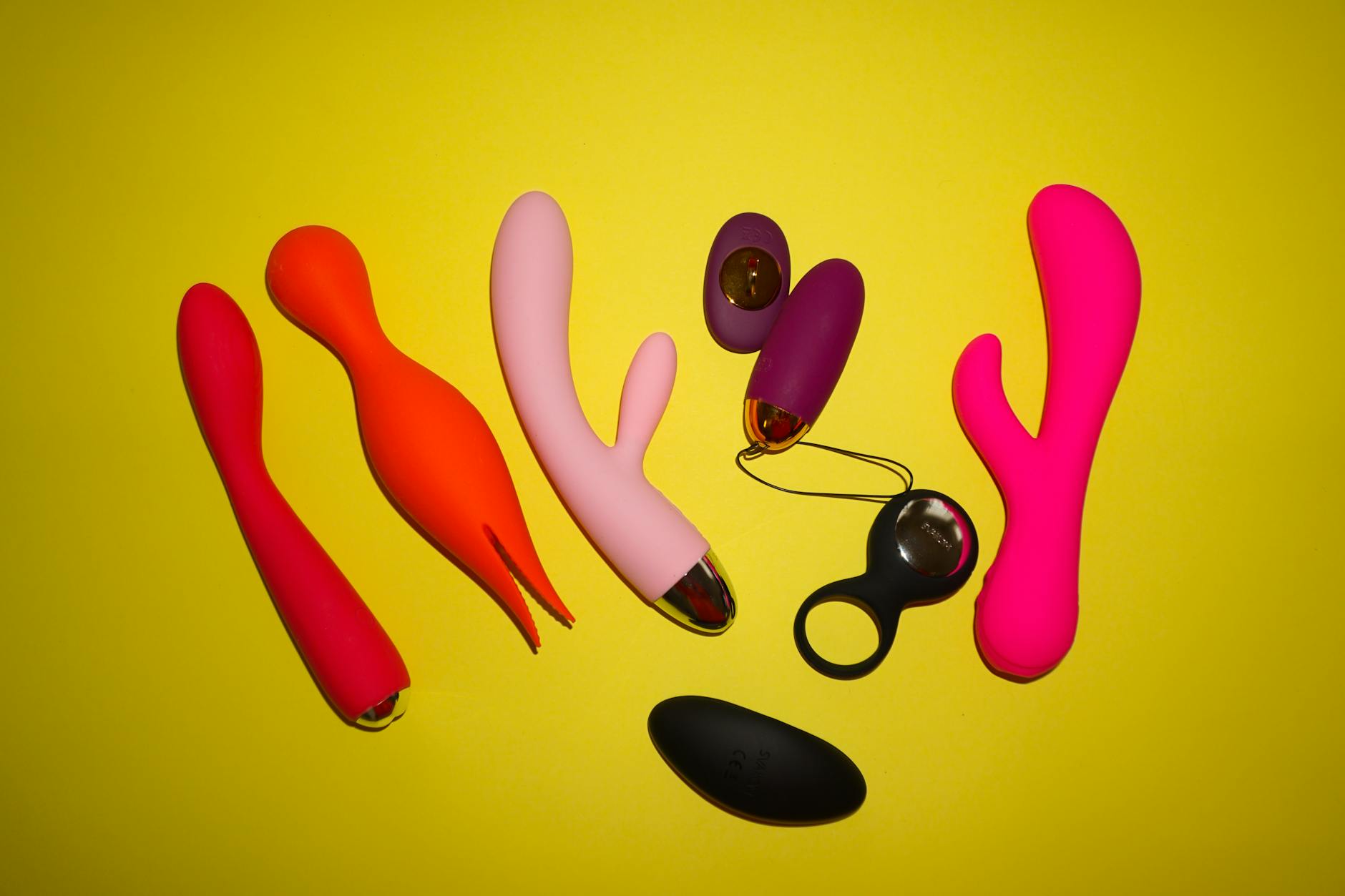
This is where clitoral vibrators like the Lem change the game. Air-suction stimulation doesn't require your body to do much. It does the work for you. Which means you can be present without pressure, and your nervous system can gradually register that touch is safe.
What rebuilding actually looks like
Honestly though, this isn't a quick fix. But it's also not complicated.
Start by separating touch from sex. Touch for five to ten minutes with zero expectation of arousal or orgasm. Hand, toy, whatever. The only goal is noticing sensation. Not making something happen. Just being aware of what you feel, where you feel it, what's pleasant and what isn't. Most people skip this part and jump straight to trying to get aroused. Your nervous system needs permission to feel anything at all first.
After a few sessions of sensation-focused touch, arousal often starts showing up on its own. That's the nervous system learning that touch is safe again. Once that's established, adding a toy like a lemon vibrator can help. The suction pattern is particularly good here because it provides strong, consistent stimulation without requiring your body to "perform" responsiveness. You're not trying to be aroused. The tool is handling the stimulation while your job is just to notice what your body is experiencing.
The timeline varies wildly. Some people reconnect within a few weeks. Others need months. Both are normal. The metric that matters is whether the gap is narrowing, not whether you're "back to normal" on some arbitrary schedule.
The relationship factor you can't ignore
If disconnection happened within a partnership, the arousal gap often reflects something in the relationship itself. Not always something wrong, but something that needs attention. Sometimes it's resentment. Sometimes it's feeling unseen. Sometimes it's fear of abandonment showing up as emotional withdrawal.
I always tell couples: don't try to fix arousal until you've addressed the relational issue underneath. Because your body might reconnect to pleasure, but if the relationship wounds aren't healing, arousal will disconnect again.
This doesn't mean you need to solve everything before touching each other. It means checking in honestly. "What am I protecting myself from right now?" The answer might be about them. It might be about you. Both are valid.
When solo exploration matters more
One of the most valuable things you can do is get to know your own arousal pattern alone. Without anyone else's timeline or expectations. This is specifically helpful if your disconnection happened in partnership or if you're carrying performance anxiety.
When you're alone, your nervous system has permission to explore without threat. You can take your time. You can stop if something feels wrong. You can try different approaches without worrying about anyone else's experience. Solo exploration with a lemon clitoral vibrator lets you rebuild the conversation between your brain and your body without the added layer of relational dynamics.
Then, once you've rebuilt some confidence in your own arousal, bringing a partner back into that experience becomes significantly easier.
The tools that actually help
Most vibrators require your body to respond to their intensity. If your nervous system is stuck in neutral, that can feel pressuring. That's why air-suction toys work better here. They're not asking your tissues to become aroused. They're providing consistent, targeted stimulation that many people experience as more comfortable and more effective when arousal is slow to build.
That said, lower vibration settings and longer warm-up time matter across the board. Give yourself 15 to 20 minutes before expecting arousal to show up. Use water-based lubricant even if you think you don't need it. Lubricant makes everything feel better and gives your nervous system fewer reasons to tense up defensively.
Most importantly, remove the word "should" from your experience. You don't have a timeline. Your body doesn't owe anyone immediate arousal.
FAQ: Rebuilding arousal and libido
Why does wanting sex feel completely different from my body's response?
Cognitive desire and physical arousal are governed by different neural pathways. Your brain's wanting can be intact while your nervous system hasn't gotten the signal that it's safe to respond. Stress, relationship rupture, past disconnection, and even anxiety about arousal itself can create this gap. It's not a flaw. It's your body being cautious.
How long does it usually take to reconnect arousal to libido?
There's no standard timeline. Some people notice shifts within two to three weeks of consistent, pressure-free touch. Others need two to three months. The factors that matter are consistency, patience, and whether the underlying stressor (relationship issues, stress, etc.) is being addressed. Progress looks like the gap getting smaller, not like you suddenly feeling "normal" again.
Can a clitoral vibrator help if my arousal has completely flatlined?
Yes, but differently than you might expect. A vibrator can't force arousal. What it can do is provide stimulation your nervous system might register as safer or more pleasant than your hand alone. The Lem's suction pattern is particularly useful here because it doesn't require your body to generate responsiveness. It does the stimulation while you do the noticing. That can help your nervous system gradually learn that pleasure is still possible.
Should I try to rebuild arousal alone or with a partner?
Both, ideally, but in stages. Solo exploration first lets you rebuild confidence without relational pressure. Once you're noticing arousal on your own, bringing a partner into that experience becomes easier. If disconnection happened because of relational issues, addressing those (ideally with a therapist) happens alongside physical reconnection.
What if my partner thinks I'm not attracted to them anymore?
This conversation is painful but necessary. Arousal disconnection is usually about your nervous system or the dynamic between you, not about attraction. Your partner probably won't believe that initially because our culture teaches us that attraction equals arousal. You might need to be blunt: "This isn't about how I feel about you. This is about my body being in protection mode. I want to reconnect, and I need patience while that happens." If your partner can't offer that patience, that's relational information worth sitting with.
Can medication be causing this, or is it always psychological?
Medication is a huge factor that often gets overlooked. Antidepressants, birth control, blood pressure medication, and antihistamines can all suppress arousal. Before assuming the disconnection is emotional or relational, talk to your doctor about whether your medications might be playing a role. Sometimes a dosage adjustment or switching medications solves the whole issue.
The path forward is gentle
Libido and arousal feeling disconnected is uncomfortable, but it's fixable. Your body isn't broken. Your desire isn't gone. What's happened is your nervous system has learned to protect you by disengaging. The path back is slow, patient, and centered on rebuilding safety. Whether that's solo exploration, relational repair, or using tools like a lemon vibrator that make pleasure feel less pressuring, the core work is the same: permission, consistency, and radical patience with yourself.
Reconnection happens when you stop forcing and start allowing. Your body already knows how to feel pleasure. It's just waiting for permission to remember.