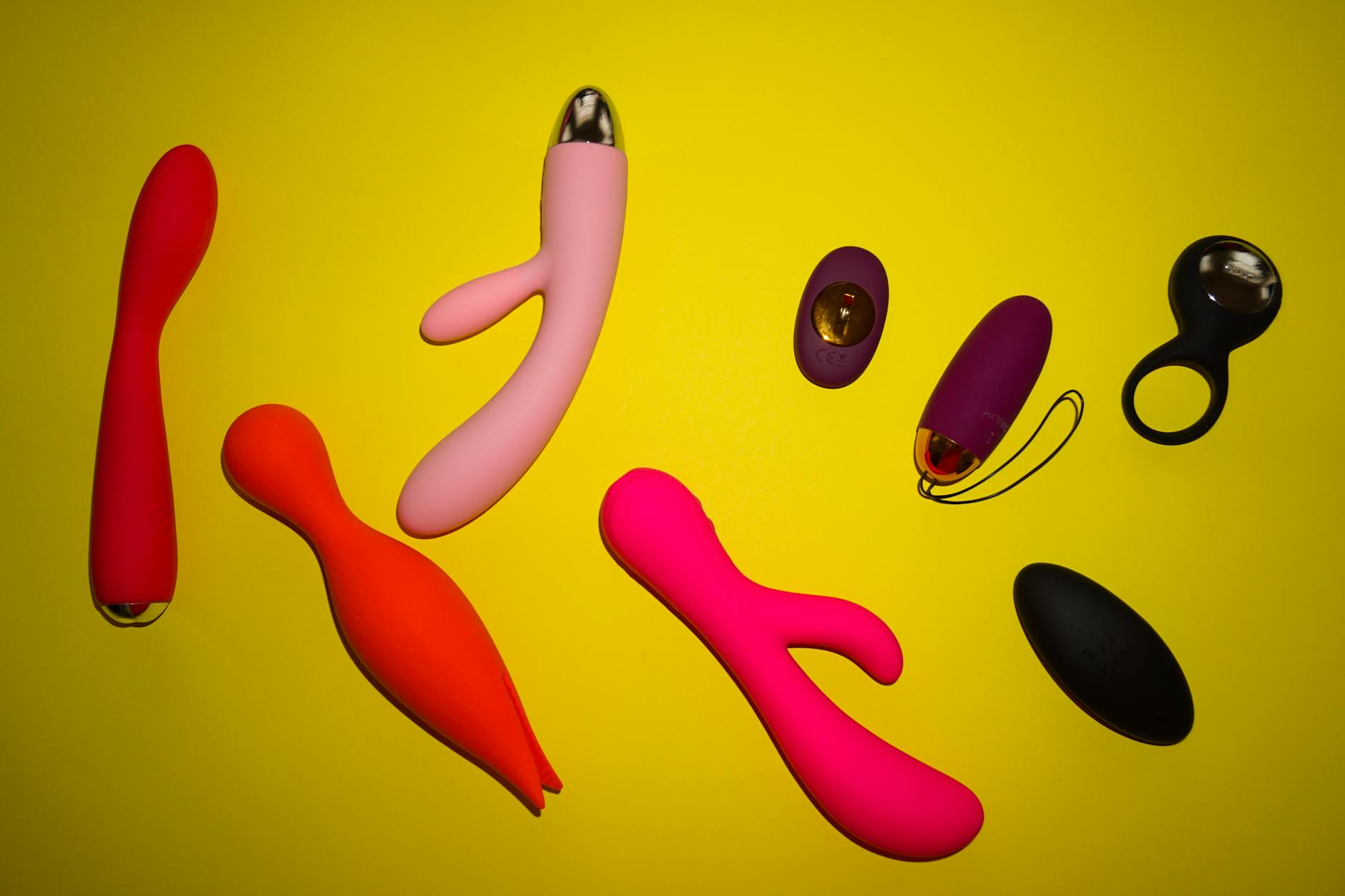
How Lemon Vibrators Help When Your Clitoris Feels Numb After Medication
Let's be real. You started an SSRI, blood pressure medication, or something else that works on your nervous system. And somewhere between week two and week six, your clitoris checked out.
Not the biological structures. The sensation. The ability to feel anything down there except a vague awareness that something exists there, like a foot falling asleep.
You're not imagining it. Medication-induced numbness is one of the most common unreported side effects of psychiatric and cardiovascular drugs. Most people don't talk about it, so most doctors don't ask, so it becomes this private frustration that gets filed under "normal aging" or "it's all in your head." It isn't.
Here's what's actually happening, why lemon vibrators work better than traditional ones for reawakening sensation, and exactly how to use them to recover what medication took.
How medication kills sensation in the first place
Your clitoris is wired. Densely wired. About 8,000 nerve endings live there, and they're exquisitely sensitive to touch, pressure, and movement.
When you take a medication that affects your central nervous system, it's not targeting your clitoris specifically. It's moving through your whole body, modulating how your nerves fire and how your brain processes signals from those nerves. SSRIs slow down neurotransmitter reuptake. Beta blockers reduce blood pressure and blood flow. Atypical antipsychotics dampen dopamine, which fuels desire and sensation processing.
The result: signals are still traveling from your clitoris to your brain, but they're traveling through molasses. You can touch yourself, but it feels like you're wearing gloves. You can stimulate yourself, but the feedback loop that normally lights things up stays dark.
Some medications are worse than others. Sertraline, paroxetine, and fluoxetine are notorious for this. So are some blood pressure drugs and antipsychotics. The timing varies too. Some people lose sensation in the first few days. Others experience a slow fade over weeks.
The good news: this is often reversible, and not just by stopping the medication. There are ways to wake the tissue up again.
Why lemon vibrators are different from traditional vibrators
Here's the thing about standard vibrators. They use vibration frequency alone. Rapid, consistent buzzing that, in a healthy nervous system, builds arousal through rhythmic stimulation.
When your sensation is already dampened by medication, straight vibration isn't enough. You need something that works harder to reach nerve endings that have gone quiet.
Lemon vibrators, also called lemon suckers or air-pulsation toys, use suction and pulsing rather than vibration. This changes everything when you're dealing with medication-induced numbness.
Suction creates a seal and then releases, creating a rhythmic pressure change. This is different from the surface-level buzzing of a traditional vibrator. It pulls blood into the tissue, which increases sensitivity. It stimulates deeper nerve endings. It creates a sensation profile that's harder to ignore, even when your nervous system is running at half speed.
For someone with medication-induced numbness specifically, this matters. The lemon clitoral vibrator uses multiple pressure patterns that build sensation gradually, not just speed up and numb you further. You're not fighting your way through an overwhelming buzz. You're working with your body's ability to slowly rewaken.
The three phases of recovering sensation with lemon vibrators
Phase One: Waking the tissue (weeks one to three).
Start with the lowest pulsation settings. You're not trying to achieve orgasm yet. You're establishing a conversation between your clitoris and your nervous system. Use the lemon sucker for 10 to 15 minutes, three to four times a week.
Expect this to feel like almost nothing at first. You might feel a slight pressure, a mild warming, maybe a faint awareness of movement. Don't interpret this as "it's not working." You're building baseline sensation. Each session primes the tissue for the next one.
Use water-based lubricant even if you don't think you need it. Medication often dries tissue, and lubrication increases the contact quality between the toy and your skin. It also reduces friction that can feel uncomfortable rather than pleasurable.
Phase Two: Building responsiveness (weeks four to eight).
Once you're noticing consistent sensation, not just pressure, slowly increase the intensity. Move from pattern one to pattern two. Add sessions. Some people find that alternating between solo time and partnered time accelerates the process, because your partner's touch creates additional neural feedback.
At this phase, you might start noticing that certain patterns feel better than others. A pulsing rhythm might wake things up faster than a steady pulse. Take note. Your body is telling you what frequency works with your particular nervous system.
Organization matters here too. Try using your lemon clitoral vibrator at the same time each day if possible. Ritual builds neural pathways. Your brain starts anticipating the session, which primes your system for better response.
Phase Three: Reintegration (weeks nine and beyond).
By now, most people report that sensation is returning. Not fully back to baseline yet, necessarily, but noticeably. You can feel patterns. You can feel pressure changes. You might start to feel the beginning of arousal.
This is where you can start using the lemon vibrator as part of partnered sex or just for pleasure again, rather than as a therapeutic tool. Many people find that the lemon sucker remains their preferred toy even after sensation returns, because the suction stimulation is simply more effective than traditional vibration for their body.
If you're working with a partner during this process, be clear about what's happening. "I'm recovering sensation" is different from "I'm not attracted to you anymore." One is physiological and usually reversible. The other is relational. Conflating them tanks both conversations.
The role of your doctor in this conversation
Before you start any sensation recovery protocol, talk to your prescribing doctor or a sex-affirming healthcare provider.
Sometimes numbness is a sign that your dose is too high. Sometimes it means you need a different medication class altogether. There are SSRIs that cause less sexual dysfunction than others. There are blood pressure medications that don't affect sensation the same way. Your doctor might have options you don't know about.
In other cases, the medication is absolutely worth the side effect, and you move forward with sensation recovery tools instead of switching meds.
What you're looking for from the conversation is clarity: Is this side effect likely to improve with time, or is it permanent while I'm on this drug? Is there a dose adjustment that might help? Are there alternative medications worth discussing? Is there anything I should avoid while using a lemon clitoral vibrator alongside this medication?
You deserve clear answers to these questions.
What to avoid when recovering sensation
Don't jump straight to maximum intensity. This is the most common mistake people make. They assume that if a little suction helps, a lot will help faster. Instead, you typically hit a wall where increased intensity stops helping and just feels numb again. Start low, go slow.
Don't assume that lack of orgasm means lack of progress. For the first few weeks or months, you might regain sensation without regaining the ability to climax. These are separate neural processes. One often precedes the other. Patience matters.
Don't keep using a medication that's destroying your pleasure without discussing alternatives. Some medications are non-negotiable for your health. Others are one option among several. Have that conversation with your doctor.
Don't panic if progress stalls. Sensation recovery isn't linear. You might have a week where things feel great, then a week where numbness returns slightly. This is normal as your nervous system recalibrates. Consistency over time wins.
When sensation recovery is faster with a partner
Many people find that reawakening sensation works better alongside a partner's touch.
Your partner can use their hands while you use the lemon sucker. They can observe what patterns seem to spark response. They can provide different sensations (warmth, touch, temperature) that diversify the input your nervous system is processing.
If you've been avoiding sex because of numbness, reintroducing it slowly matters. Medication-induced numbness often brings shame or avoidance, which then creates relational distance. Breaking that cycle by rebuilding sensation gradually, sometimes with your partner involved, addresses both the physical and emotional components.
If communication around sex has become difficult, that's a separate conversation to have. How to use a lemon vibrator with your partner when communication feels hard walks through that specifically.
What full recovery usually looks like
You'll know sensation is coming back when you start feeling the patterns differently. When you can distinguish between pulsing rhythms. When a gentle touch registers as pleasure rather than pressure. When your brain connects what's happening down there to arousal signals in the rest of your body.
Full recovery can take anywhere from six weeks to six months, depending on how long you were numb, how sensitive your nervous system is, and what medication you're on. Some people never get back to exactly baseline. They get back to "really good and functional." That's a win.
The lemon clitoral vibrator is often the tool that gets people there faster than traditional vibrators, because the suction mechanism works differently with a dampened nervous system. It's why people with medication-induced numbness report better results with air-pulsation toys than with conventional vibration.
If you're considering trying one, start low with pattern one. Add lubricant. Be patient with your body. And have a conversation with your healthcare provider about what else might be contributing to the numbness.
Your pleasure deserves the same medical attention as any other side effect. And your nervous system's ability to feel sensation again is absolutely worth recovering.
Frequently asked questions
How long does it take to feel sensation again with a lemon vibrator?
Most people report noticeable changes within three to four weeks of consistent use, three to four times per week. Full sensation recovery typically takes two to four months. This varies based on how long you've been numb, your medication, and your individual nervous system sensitivity. There's no standard timeline, but consistency matters more than intensity.
Can I use a lemon sucker while I'm still on the medication that caused the numbness?
Yes, and you often should. The goal isn't always to switch medications. Sometimes it's to use sensation recovery tools alongside your medication while you and your doctor figure out if adjustment is possible. A lemon clitoral vibrator works even when you're on the numbness-causing drug. That's the whole point. If you're concerned about interactions, ask your prescriber, but most medications have no direct contraindication with external vibrators.
Does a lemon vibrator work better than a traditional vibrator for medication-induced numbness?
For most people, yes. The suction and pulsation mechanism reaches deeper nerve endings and creates pressure changes that standard vibration doesn't. Traditional vibrators can work, but they typically require much higher intensity to overcome medication-induced dampening, which can create a numbing sensation loop. Lemon suckers usually feel more productive faster.
What if I've already tried a lemon vibrator and still feel numb?
First, have you given it at least three to four weeks of consistent use? Recovery is slow at first. Second, talk to your doctor. Sometimes numbness is dose-related or drug-specific, and you need a medication adjustment rather than a toy upgrade. Third, consider whether psychological factors are contributing. Anxiety about numbness or performance can compound the physical numbness. Addressing both might be necessary.
Should I tell my doctor I'm using a lemon vibrator to recover sensation?
Yes. Not because it's shameful, but because context matters for medical care. If your doctor knows you're actively trying to restore sensation and not seeing progress, that's useful information for them. It might change how they approach medication adjustment or whether they recommend additional strategies. Sex-affirming healthcare providers understand this and support it.
Can numbness from medication be permanent?
For most people, no. Numbness usually improves after stopping the medication or adjusting the dose. Some people find that sensation remains slightly diminished compared to baseline, but completely recovers or comes very close. A small percentage experience longer-lasting effects, but this is rare. Have this conversation with your prescriber specifically about your medication.
The bottom line
Medication-induced clitoral numbness is common, underreported, and very often reversible. A lemon clitoral vibrator works differently than traditional vibrators because suction and pulsation can reach nerve endings that have been dampened by medication better than surface-level vibration alone.
Start with low intensity, be consistent, use lubricant, and talk to your doctor about whether the medication itself is adjustable. Your nervous system can rewaken. It just needs the right approach, some patience, and often, the right tool.
If you're struggling with this alongside relationship strain, how lemon vibrators can restore pleasure after antidepressant side effects covers the partnered angle in more depth. And if you want specific guidance on patterns and settings, best lemon vibrator patterns for sensitive clitoral tissue breaks down the technique step by step.
Your body deserves to feel good again. And the tools exist to help you get there.