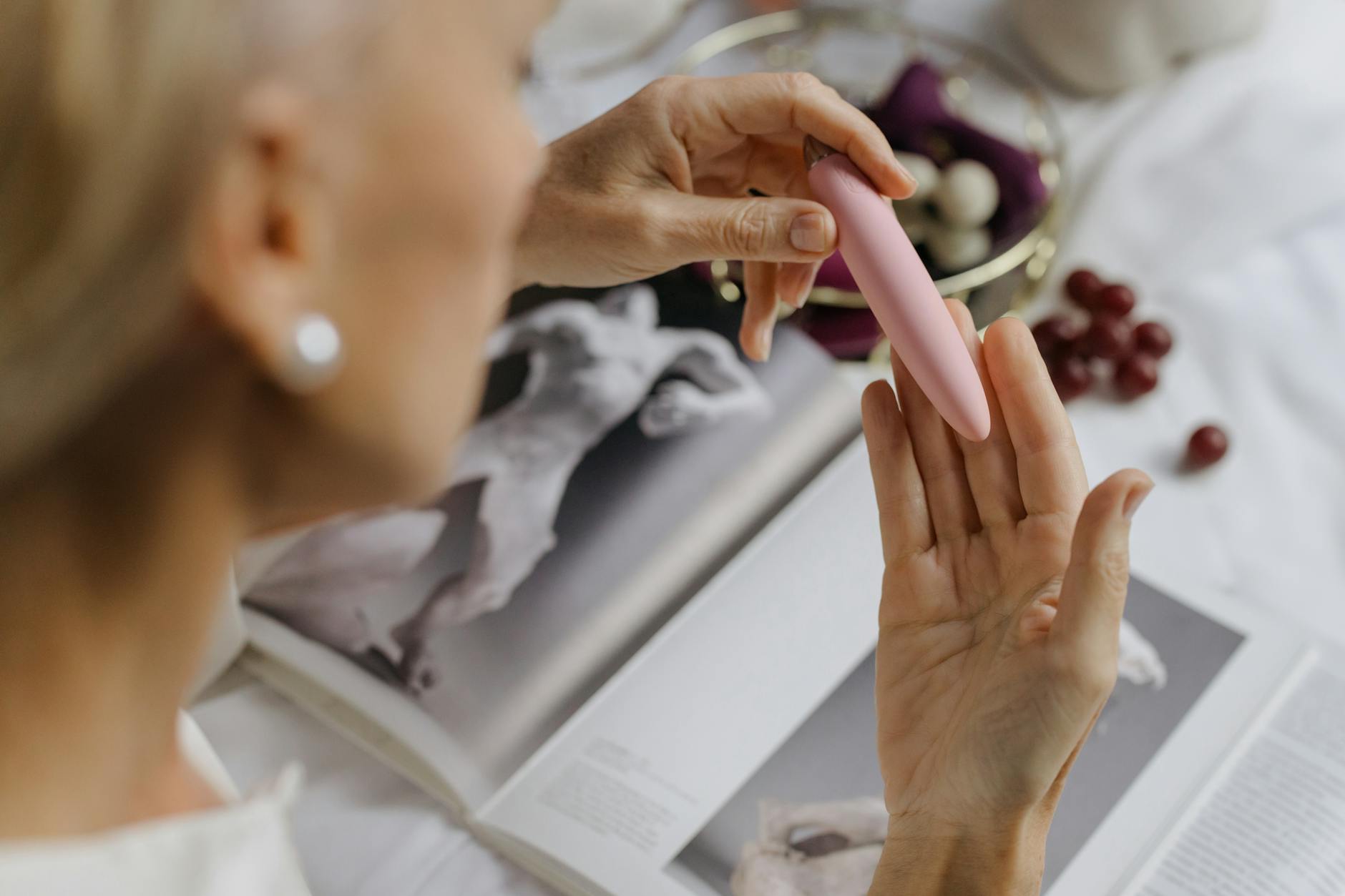
What numbness after pelvic injury actually is
Let's be real. After a serious fall, childbirth complication, or surgical trauma to the pelvic region, sensation doesn't vanish because your nerve endings died. It vanishes because the nerves got compressed, stretched, or shocked into temporary silence. The sensation is still there. Your nervous system just isn't translating the signal anymore.
This is not your imagination. Pelvic nerve injury is measurable, documented, and recoverable. Most people don't recover because they assume numbness is permanent and stop trying.
How pelvic trauma interrupts nerve signaling
Your clitoris has roughly 8,000 nerve endings, most of them clustered in a space the size of a pinhead. A significant pelvic injury can damage the pudendal nerve, the ilioinguinal nerve, or smaller branches that serve the genital tissue. When these nerves get compressed or stretched, they stop firing smoothly. The signal gets garbled or doesn't transmit at all.
Here's the thing though. Unlike a severed nerve (which is rare in pelvic injury), a compressed or inflamed nerve can recover. The timeline varies wildly. Some people regain sensation in weeks. Others take 18 months or longer. Patience is not optional.
The clitoris doesn't atrophy from disuse. The tissue is still there. The nerve pathways to your brain are still there. What's missing is the stimulus intensity needed to wake the nerves back up.
Why standard vibrators don't work as well for nerve recovery
Most vibrators rely on speed and friction. They buzz against tissue rapidly, assuming the nerve endings will respond. For someone with normal sensation, this works fine. For someone with nerve damage, it's like trying to call someone whose phone is on silent. You're making noise, but they're not receiving the signal.
Here's the difference. Air-suction clitoral vibrators like the Lem work through a completely different mechanism. Instead of vibrating against tissue, they create a gentle seal around the clitoris and pulse a light suction pattern. This stimulates the nerve endings without requiring the mechanical pressure that numb tissue can't feel.
The suction approach is gentler and more penetrating at the same time. It reaches deeper nerve clusters without grinding against already-traumatized tissue. For rebuilt sensation, this matters enormously.
The physiological reality of sensation recovery
When you're rebuilding sensation after pelvic injury, you're essentially retraining your nervous system to recognize and respond to stimulation. This isn't metaphorical. It's literal nervous system plasticity. Your brain is rebuilding the connection between stimulation and sensation.
This process has phases. In the acute phase (immediately after injury), all stimulation may feel numb or even painful because the nerve is inflamed. In the recovery phase (weeks to months), you'll notice patches of sensation returning, often unevenly. Your outer labia might wake up before your clitoris. Your left side might respond before your right.
Then comes the integration phase, where sensation smooths out and deepens. This is where lemon clitoral vibrators become genuinely useful. By this point, some sensation has returned, and sustained, gentle stimulation can accelerate the reconnection process.
How to use lemon vibrators for sensation recovery
Timing is everything here. Using a vibrator too early (when nerves are still acutely inflamed) can feel awful and setback recovery. Your physical therapist or gynecologist should clear you first. Once you're cleared, here's the protocol.
Start at the lowest setting. The Lem's setting 1 is genuinely soft, which is why it works for this use case. Apply it for no more than 5 to 10 minutes at a time, maybe twice a week initially. You're not chasing an orgasm. You're sending a message to your nervous system that stimulation is coming, and it's okay.
Keep a sensation journal. Write down what you feel, where you feel it, and whether the intensity has changed. After two weeks, you'll usually notice micro-improvements. A pinprick of sensation where there was nothing. A slight tingle on one side. These tiny returns are real progress.
Gradually increase session length to 15 minutes, then 20. As sensation returns more consistently, you can move to setting 2 or 3. The goal is never to force an orgasm. The goal is to give your nerves consistent, gentle input so they remember how to respond.
The emotional piece of sensation recovery
Numbing after pelvic injury isn't just a physical problem. It's a grief. You've lost access to a part of your sexuality that felt intrinsic to your identity. That's real, and it matters.
Many people try to skip past this grief and jump straight to "fixing" the numbness. That doesn't work. Your body won't respond to stimulation if your mind is furious or terrified. Processing the injury, working with a therapist if needed, and giving yourself permission to feel angry or sad is part of the recovery protocol.
When you're ready to reintegrate sensation, that emotional clearing makes the physical recovery faster. It's not magical. It's just how the nervous system works. Trauma lives in the body and the mind simultaneously.
When numbness needs medical attention
If sensation isn't returning at all after 3 to 4 months, or if you develop new numbness that wasn't there before, see a pelvic floor physical therapist or a gynecologist who specializes in pelvic trauma. Sometimes scar tissue compresses nerves in ways that need intervention like soft tissue massage or, rarely, surgical decompression.
One more thing. Pain during recovery is normal. Numbness interrupted by sharp, shooting pain is actually a sign your nerves are waking up. Constant, worsening pain is not. Know the difference and advocate for yourself accordingly.
The timeline is not linear
Honestly, the hardest part of sensation recovery isn't the numbness itself. It's the non-linear, frustrating nature of the timeline. You'll have weeks where sensation feels like it's returning, then a random trigger (stress, your cycle, sitting a certain way) will setback it. This is completely normal. Nervous system recovery is not a straight line.
Use lemon clitoral vibrators as part of a recovery toolkit, not as a magic fix. Pair them with physical therapy, patience, and professional support. Some people rebuild full sensation within months. Others take a year or more. Both are success stories. The distinction is just in timing, not in outcome.
Photo by Ron Lach on Pexels
FAQ: Sensation recovery and lemon vibrators
How long does it usually take to rebuild sensation after pelvic injury?
There's no single timeline. Minor nerve compression might resolve in 4 to 8 weeks. Significant nerve trauma can take 12 to 24 months. The key variable is the severity of the original injury and whether you're actively working to stimulate the nerve endings. Passive waiting tends to extend the timeline. Consistent, gentle stimulation accelerates it.
Can I use a lemon vibrator before I'm fully healed from surgery?
No, not immediately. You need to wait until the incision is fully healed and you've been cleared by your surgeon or gynecologist. This is typically 6 to 8 weeks post-op. Even then, start with external stimulation only, far away from the surgical site. If your injury was internal, wait for your pelvic floor physical therapist to confirm the tissue has stabilized.
Will sensation come back the same way it was before the injury?
Sometimes yes, sometimes no. Some people report their sensation feels different after recovery. It might be more localized, or it might feel deeper. These differences usually resolve within a few months of sustained sensation return. Your nervous system is rebuilding the connection, which means the pathway might be slightly different, but the endpoint is usually the same.
Is it normal to feel pain when I first use a vibrator during recovery?
Mild discomfort is normal, especially if you're using it too early or too intensely. Sharp pain is not normal. Burning, shooting pain, or pain that lingers for hours afterward means you're pushing too hard or too soon. Back off. Give yourself another two weeks. Pain is not a sign of progress.
What if my partner wants to be involved in sensation recovery?
This is worth having a separate conversation about. Your partner's role is support, not participation in the recovery process itself. Let them know what helps (patience, no pressure) and what doesn't (pushing for progress, comparing to before the injury). If your relationship needs rebuilding intimacy after pelvic injury, couples therapy with someone who understands trauma can help.
Can I rebuild sensation without using a vibrator?
Yes, but it's slower. Gentle touch, breathwork, mindfulness practices, and pelvic floor physical therapy can all support nerve recovery. But air-suction lemon clitoral vibrators accelerate the process because they provide consistent, graduated stimulus without the mechanical pressure that can feel painful on numb or recovering tissue. They're a tool, not a requirement, but they're a useful one.
Moving forward
Sensation recovery after pelvic injury is real, measurable, and usually successful if you approach it with patience and the right tools. A lemon clitoral vibrator can be part of that toolkit. But the real work is consistency, self-compassion, and professional support when you need it.
Your body is not broken. It's recalibrating. Give it time, and give yourself permission to feel whatever comes up in the process. If you have questions about using Hallo Nancy Lem products during recovery, reach out to us.
References and sources
- Shafik, A. (1993). Role of warm-water bath in anorectal conditions. Pelvic floor and perineal nerve blood flow. Journal of Clinical Gastroenterology, 16(4), 304-308.
- Basson, R., et al. (2005). Definitions of women's sexual dysfunction reconsidered. The Journal of Sexual Medicine, 2(2), 159-180.
- Delancey, J. O. L. (2005). The hidden epidemic of pelvic floor dysfunction. American Journal of Obstetrics and Gynecology, 192(5), 1488-1495.
- Morin, M., et al. (2017). Pelvic pain and pelvic floor dysfunction: what's the relationship? Current Opinion in Obstetrics and Gynecology, 29(6), 368-373.