The fear loop nobody warns you about
Pain during sex doesn't just hurt in the moment. It rewires your nervous system. Your body starts to predict pain the moment penetration feels imminent, which triggers a protective clench. That clench makes the next time worse. And suddenly you're trapped in a cycle where anticipation itself becomes painful.
Here's what I hear most often in my office: "I want to want sex again, but my body won't let me." That's not a desire problem. That's a nervous system that learned to protect you by closing down. The good news is that nervous systems can learn differently. And for many people, starting with clitoral stimulation using a lemon vibrator or similar clitoral toy is the gentlest way to teach your body that pleasure is safe again.
Why penetration-free pleasure matters in recovery
When painful intercourse has been part of your story, the thought of any genital touch can trigger dread. Penetration carries the weight of that trauma. But clitoral stimulation is different. Your clitoris has 8,000 nerve endings and zero association with the pain you've been through. It's a clean slate.
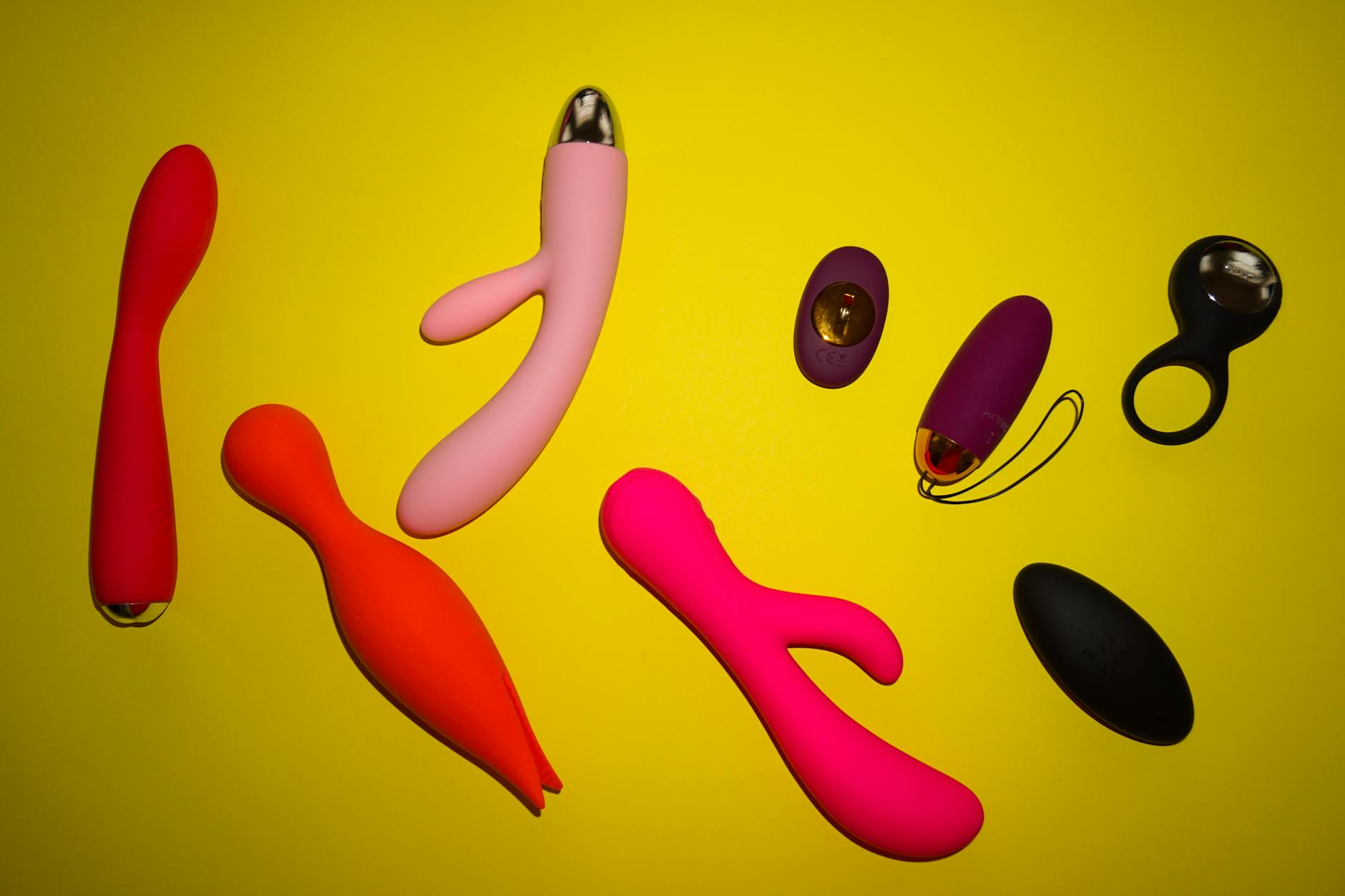
Using a lemon vibrator or other clitoral vibrators allows you to experience strong, reliable pleasure without the mental baggage. There's no pressure to perform, no pressure to accommodate a partner, no risk of pain. It's purely about what feels good to you. That's radical if sex has been something that happened to you rather than something you chose.
Clitoral vibrators also work quickly. You're not waiting 20 minutes for arousal to build while anxiety creeps in. The suction and vibration patterns trigger a clear physical response. That tangible proof that your body still works, still feels, still responds is psychologically powerful. It breaks the narrative that you're broken.
The nervous system retraining that happens
Your vagus nerve is the main highway between your body and your brain. When you've experienced pain, that nerve has been sending distress signals. Over time, it gets stuck in a defensive posture. Using a lemon clitoral vibrator safely and repeatedly teaches your vagus nerve that genital pleasure is possible without threat.
This isn't mystical. It's basic neuroscience. Each time you experience pleasure without pain, you're literally creating new neural pathways. The body starts to predict safety instead of danger. The protective tension releases. Your pelvis learns to soften.
I usually recommend starting solo. No pressure to transition to partner sex, no timeline, no performance anxiety. Just you, a clitoral vibrator, and the freedom to stop whenever you want. Many people find that after several weeks of solo pleasure, the nervous system baseline shifts. The anticipatory dread fades. That's when partnered sex becomes possible again, but only if and when you're ready.
How to approach it practically
Start with a lower vibration pattern. If you're using a lemon vibrator, begin on settings 1 or 2. The goal isn't orgasm. The goal is sensation without fear. You might spend the first few sessions just holding the vibrator against your external clitoris, getting used to the feeling, building comfort.
Lubricant helps, even if you don't think you need it. Water-based lube reduces friction and makes everything feel smoother, which reduces the chance of any physical discomfort triggering the fear response. Think of it as a safety measure for both your body and your mind.
Timing matters too. Choose a moment when you feel physically relaxed and mentally settled. Not right after a stressful day when your nervous system is already activated. And give yourself permission to stop at any point. If something triggers the old feeling, that's information. You pause, breathe, and try again another time. There's no failure here. You're rebuilding trust in your own body.
The partner conversation that changes everything
If you're partnered, your partner needs to understand what's happening. This isn't about them not being enough. This is about creating a safe container for your nervous system to heal. The best partners I work with understand that this solo work is actually intimacy work. You're learning yourself again. That knowledge eventually helps you both.
Some couples use lemon vibrators together as a transitional step. One partner operates the device while the other receives, with complete control over pressure and speed. That creates a collaborative experience without the pressure of penetration. It's intimate without triggering the fear cycle. For some people, this bridge work makes the eventual return to partnered penetration feel possible. For others, this becomes the new normal, and that's completely fine too.
Whatever path you take, the conversation should be clear: "I'm doing this for me, with your support." Not "I'm doing this because you failed." The framing shifts everything.
When to seek additional help
If the pain was caused by something medical like vulvodynia, endometriosis, or pelvic floor dysfunction, a physical therapist who specializes in pelvic health can work alongside your pleasure recovery. Those conditions need specific treatment, and clitoral vibrators alone won't solve them. But they can be part of a larger healing picture.
Similarly, if the pain was tied to trauma, a therapist who specializes in sexual trauma or PTSD can help you process what happened while you're simultaneously rewiring your nervous system through safe pleasure. The two modalities reinforce each other.
What matters is that you don't white-knuckle through this alone. Painful sex creates real psychological wounds. Those wounds deserve real support. A lemon vibrator is a tool. The tool works best when it's part of a broader commitment to your own recovery.
The timeline is yours
People sometimes ask how long it takes to "get over" painful sex and reclaim confidence. The honest answer is it depends on the severity, the duration, and what caused it. Some people feel a shift within weeks. Others need months. There's no race. Your nervous system doesn't care about a timeline. It cares about safety and repetition.
What I do know is that the people who rebuild their sexual confidence most successfully are the ones who stop waiting for permission. They stop waiting for their partner to fix it, for a doctor to give them the green light, for the fear to disappear on its own. They pick up a clitoral vibrator, create a quiet space, and start the conversation with their own body again.
That's where healing begins. Not in the absence of fear, but in the decision to feel pleasure anyway, at your own pace, in your own way. A lemon vibrator doesn't erase what happened. But it does open a door to a version of yourself that's still capable of joy.