Let's name the thing nobody wants to talk about
Becoming a parent doesn't kill your love for your partner. It absolutely can kill your sex life. And there's a specific reason why, which most couples never actually discuss out loud.
You're touched out. Both of you. Your partner has been touching a child all day. You have been touched all day. The last thing either of you wants at 9 p.m. is more touch. So sex feels less like connection and more like another demand on a body that's already given everything it has. That's not laziness. That's not losing the spark. That's biology meeting logistics meeting complete depletion.
But here's what I know from years of working with couples in this exact position: desire doesn't disappear. It goes dormant. And it can come back. The trick is giving it a pathway that doesn't feel like one more chore.
Why standard sex stops working after kids
Parents have less privacy, less energy, and way less spontaneity. Your brain is half on the baby monitor. One partner wants sex at 10 p.m.; the other wants sleep. Someone's touched out; someone else wants connection. Sex becomes this negotiation between competing needs, and nobody wins.
The other part is neurological. When you're in full-parent mode, your nervous system is running on alert. Touch feels stimulating in a way that doesn't translate to arousal. You need downregulation, not more input. Your partner probably feels the same way.
When couples try to force traditional sex in this state, it often feels obligatory. Obligatory sex doesn't rebuild connection. It deepens resentment. One partner feels rejected, the other feels pressured, and you're both further apart than you started.
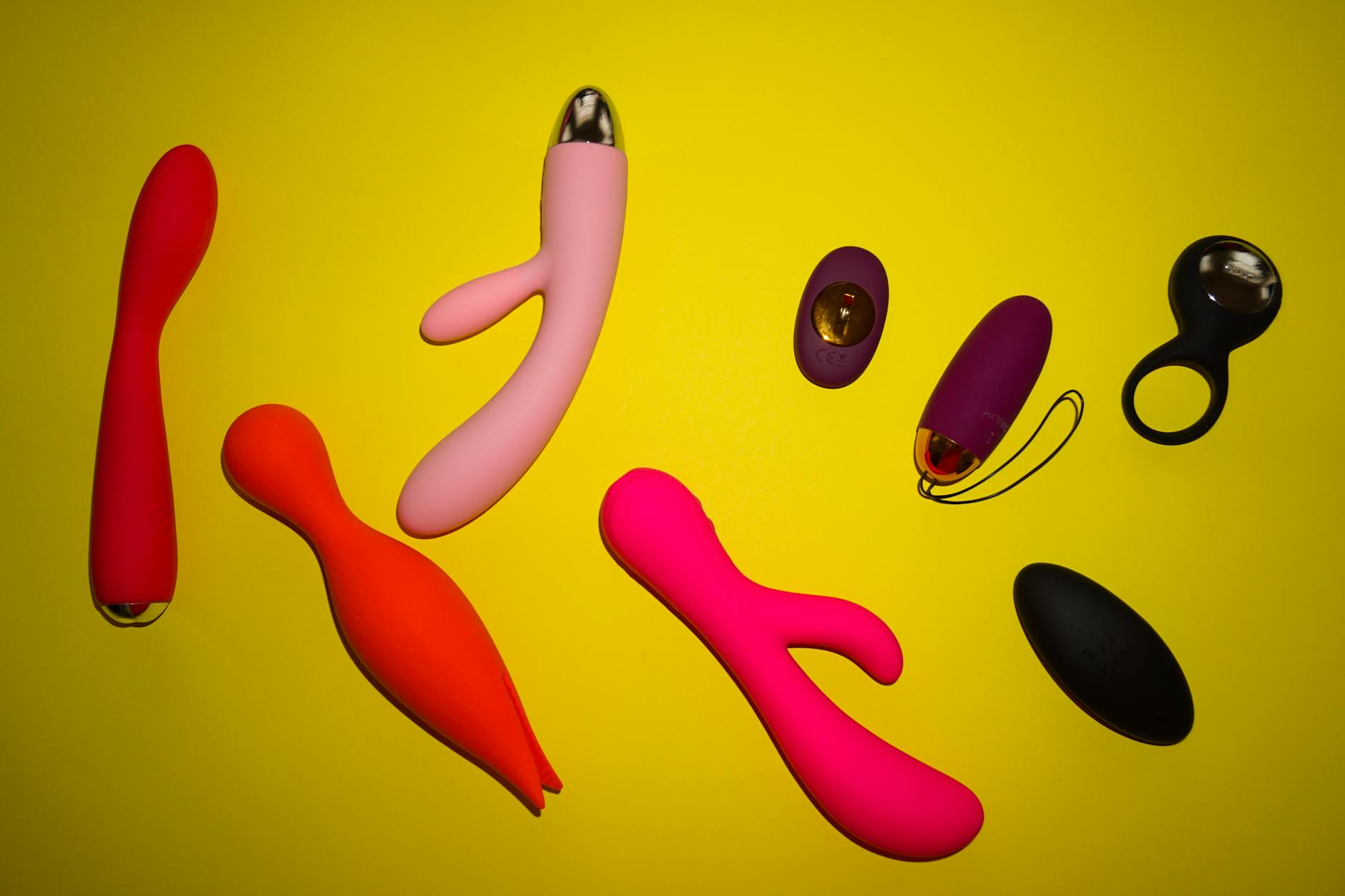
Why lemon clitoral vibrators change the game for post-parent couples
A lemon vibrator does something traditional sex can't in this particular moment of your relationship: it bypasses the need for synchronized energy.
One partner can enjoy pleasure while the other is present and engaged, without either person having to perform or generate arousal on demand. The person with the vibrator gets stimulation that's consistent and doesn't require negotiation. The other partner gets to be there, to touch if they want to, to watch, to feel connected without the pressure of "performing" sex.
This sounds minor. It's not. This is how touch becomes pleasurable again instead of transactional.
Lemon adult toys work particularly well here because they're designed for targeted, intense stimulation without requiring the vaginal penetration that many exhausted parents find overwhelming. The suction sensation feels completely different from manual touch. It's novel. It cuts through the touched-out feeling in a way that can actually wake up desire instead of adding to the load.
The specific rituals that work
Here's what I recommend to couples who are trying to rebuild intimacy:
Start small and separate. One partner uses a lemon vibrator during a moment of privacy. Just exploration. No performance. This does two things: it reminds that person what pleasure feels like on their own terms, and it gives their body a chance to remember that touch can be about them, not about meeting someone else's need.
Then invite your partner in, but lowkey. Not as a performance. Maybe you're in bed before sleep, and you use your lemon sucker vibrator while they read next to you. They're present. They can touch you or not. The expectation isn't sex. It's just intimacy and pleasure coexisting.
Let it lead where it leads. Sometimes this becomes sex. Often it doesn't. What matters is that you've both remembered what desire feels like when it's not forced. That memory changes everything.
Use it as foreplay without the pressure. If you do want traditional sex eventually, starting with a lemon vibrator actually helps. Arousal is already happening. The pressure is off. Sex becomes optional rather than the goal.
Why this works better than "date nights"
Every parenting article tells you to book a babysitter and have dinner alone. That advice isn't wrong. But it also misses something important: after a day of parenting, a nice dinner often just makes you both tired in a different location.
What actually rebuilds desire is touch that feels good without obligation. That's the opposite of date night sex, where you've both invested time and money and you "should" want each other.
A lemon clitoral vibrator reframes pleasure as something that's about sensation and connection, not performance. You're not trying to prove the spark is still there. You're just... enjoying something together. Which is how the spark actually comes back.
The conversation you need to have first
None of this works if one partner is pushing and the other is resisting. So before you introduce a vibrator, you need one honest conversation.
Not about sex. About touch. "I miss feeling close to you. I'm also completely touched out. Can we find a way to connect that doesn't feel like another demand?"
That question opens a door. It validates both people's experience. And it creates space for solutions that don't involve forcing desire on a timeline.
When you introduce a lemon vibrator to your partner without awkwardness, frame it the same way. Not as "we need this to fix our sex life." But as "I want to feel close to you again, and this might help us both." That distinction matters enormously.
What to expect in the first month
Don't expect instant passion. Expect small moments of connection. You'll probably laugh at least once. You might feel awkward. One of you might not be into it immediately. That's all normal.
What usually shifts is how you touch each other in non-sexual moments. You're less defensive. You remember that your partner's body is still interesting to you. You start initiating small touches during the day that don't carry the weight of "this is supposed to lead to sex."
The physical connection gets easier. Then desire follows. That's the actual sequence, not the other way around.
When partners have really different comfort levels
If one partner is way more interested in pleasure than the other, how to use lemon vibrators when partners have different comfort levels matters. The key is not making it a referendum on your relationship.
The less-interested partner doesn't have to participate. They just have to not object. Presence is enough. Once you've rebuilt some physical connection and remembered what pleasure feels like, the reluctant partner often becomes more curious just from witnessing their partner's experience.
The pelvic floor factor
Parenthood also tenses the pelvic floor in ways a lot of people don't notice. Whether it's stress, the physical toll of pregnancy and birth, or just years of holding tension, many parents after kids have a clenched pelvic floor that makes pleasure harder to access.
A lemon vibrator actually helps with this. The sensation and arousal naturally encourage pelvic floor relaxation. Plus, if you're using it with your partner present, you're practicing relaxation together, which is its own intimacy.
The bottom line
Parenthood doesn't end your sex life or your desire. It reshuffles the rules temporarily. For a while, traditional sex might not work. Something gentler and more exploratory can. Lemon clitoral vibrators fit that moment perfectly because they're novel, intense without being invasive, and they let pleasure happen without it feeling like just another job.
You don't need to go back to pre-kid passion. You need to build something that fits who you are now. That might look completely different. And that's okay.
People also ask
Will using a vibrator together actually improve our relationship or just mask the real problem?
A vibrator isn't fixing anything. But rebuilt touch and pleasure create the conditions where real conversation becomes possible. When you're defended and touched out, you can't hear each other. When you're reconnected and experiencing pleasure together, you can. The vibrator is the reset button, not the solution. What comes after is the actual work.
How often should we use a lemon vibrator together if we want to rebuild intimacy?
Start with once a week, no pressure. The goal isn't frequency. It's consistency enough that you both start remembering this is possible. Once you've rebuilt that memory, the rhythm often becomes more natural. Some couples find what works is 2-3 times a week. Others find weekly is the sustainable sweet spot. Ask each other what feels good, not what sounds productive.
Is it normal to feel awkward the first time my partner watches me use a lemon vibrator?
Completely normal. You're being vulnerable in a new way. Most couples report awkwardness fades pretty quickly, especially if you're both laughing a little at the strangeness. The awkwardness usually peaks and passes in the first few times. By week three, it feels natural for most people. Give yourself permission for that learning curve.
Can we use a lemon sucker vibrator if we're trying to avoid traditional sex right now?
Absolutely. That's actually one of the main reasons couples use them during this phase. Pleasure and connection without penetration or the full-body engagement that traditional sex requires. You can be completely present and excited about the experience without it being sex. That distinction is important for partners who are healing or just genuinely too touched out for anything more involved.
What if my partner has no interest in vibrators but I want to reconnect?
Then the vibrator isn't the solution. What you're dealing with is a desire mismatch. Start with the conversation, not the toy. Tell your partner specifically what you need. "I miss feeling close to you" is different than "I want you to be interested in vibrators." Sometimes the real issue is exhaustion or disconnection that has nothing to do with pleasure. Get that on the table first. If your partner is interested in rebuilding intimacy but just not with toys, there are other ways. If they're not interested in rebuilding intimacy, that's a different conversation entirely.
How do we bring this up without making the less-interested partner feel pressured?
Frame it as something you want for yourself, not something you need from them. "I've been thinking about exploring more pleasure and I'd like you to be part of that, but only if you want to be." That's very different from "we need to fix our sex life." You're inviting them into something that excites you, not asking them to rescue your relationship. People respond much better to invitations than to implications that something's broken.