Let's start with what vulvodynia actually is
Vulvodynia is chronic pain in the vulva for which there's no clear medical cause. It's not an infection, not a dermatological condition you can see, not something that shows up on a test. It's pure nerve hypersensitivity. Your nervous system is stuck on high alert, interpreting normal touch as pain.
The frustrating part: most people with vulvodynia are told to avoid stimulation entirely. "Rest it. Don't touch it. Use numbing cream." Some of that makes sense short-term. But long-term, avoidance actually makes the nervous system worse. Your brain learns that the area is even more dangerous, and sensation becomes more hypervigilant, not less.
Here's what actually helps: carefully reintroduced sensation in a way that doesn't trigger the pain response.
Why regular vibrators often make vulvodynia worse
Most vibrators work through friction and direct pressure. A traditional vibrator presses against tissue and vibrates rapidly. For someone with vulvodynia, that's often intolerable. The pressure alone can trigger pain cascades. You use it once, it hurts, your nervous system files that away, and the next time you try is even harder because your body expects pain.
This is why so many people with vulvodynia give up on sensation altogether.
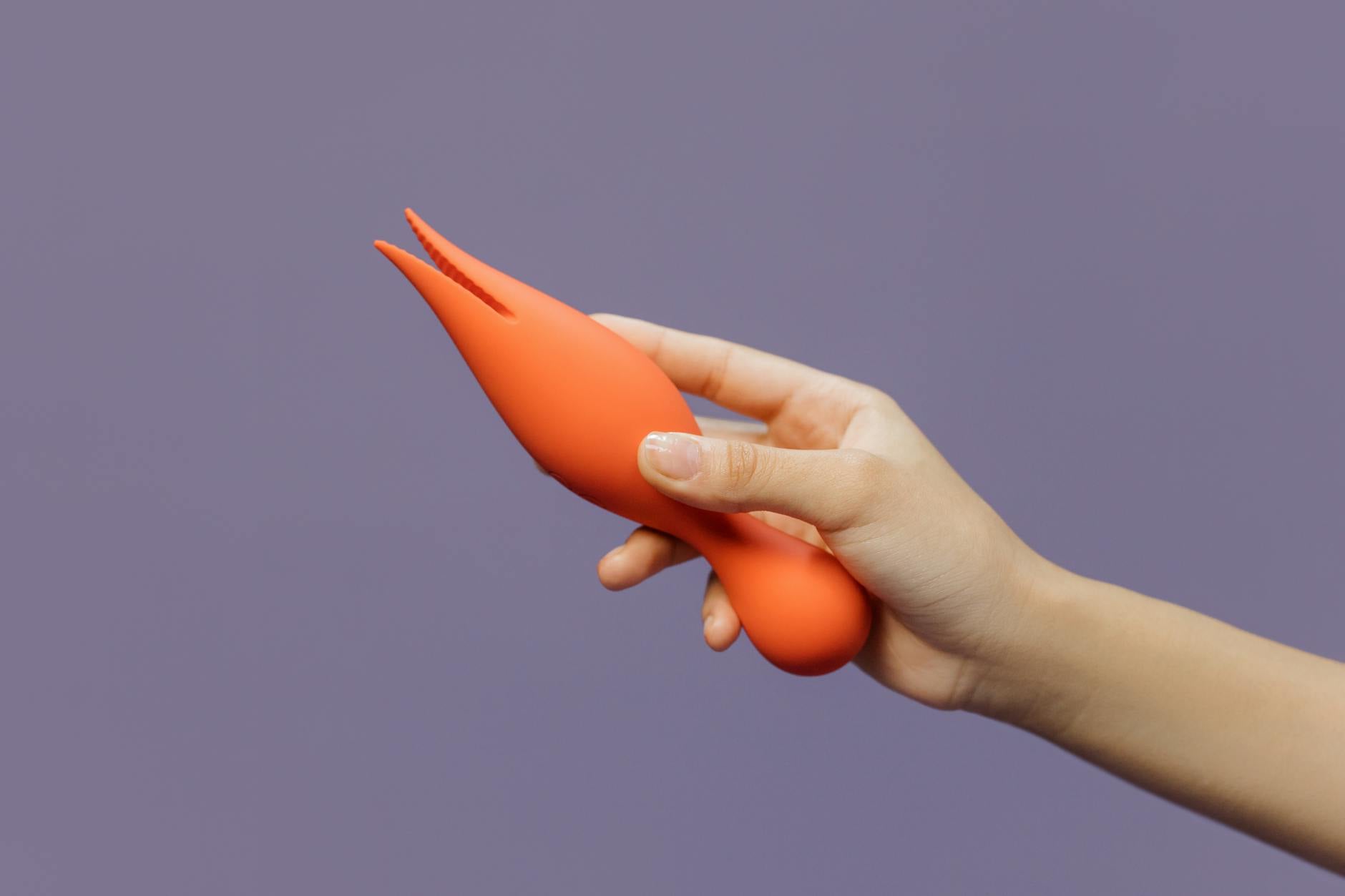
But lemon vibrators work differently. Air-suction technology creates gentle negative pressure rather than vibrating friction. It's a fundamentally different stimulus. Instead of pressing into tissue, it's drawing it upward and stimulating the nerves in a way that can actually feel different enough to reset the pain pattern.
How air suction bypasses the pain trigger
Your vulva has one of the highest concentrations of nerve endings in your body. When those nerves are in hypersensitivity mode, they're on a hair trigger. But they're also specialized. Different nerve fibers respond to different types of stimulation.
Frictional pressure activates nociceptors, the pain-sensing nerves that are already overstimulated in vulvodynia. Air suction activates a different set of mechanoreceptors, the nerves that sense gentle pressure and movement. By using a different stimulus altogether, you're essentially speaking a different language to your nervous system.
The lemon vibrator (and other air-suction designs) creates a sensation that many people with vulvodynia describe as more manageable, less triggering, sometimes even pleasant. It's not instantly painless. But it's a different experience.
Why lemon sexual toys work better than friction for sensitive tissue
A few specific reasons lemon clitoral vibrators suit vulvodynia better than traditional toys:
No direct pressure. The suction cups gently draws tissue rather than pressing. For someone whose pain is triggered by contact pressure, this is revolutionary.
Adjustable intensity. You can start at pattern 1 (barely perceptible) and increase gradually. With a vibrator, you're stuck with the vibration speed. With a lemon adult toy, you control the suction intensity and pulsing pattern.
Natural sensation buildup. Because the stimulation feels different, arousal can build without hitting the pain ceiling. Many people with vulvodynia report that their body can relax into pleasure in a way it never could before.
Retraining opportunity. Each pleasant experience rewires the nervous system slightly. Your brain learns: this stimulus is safe. Over time, sensitivity can actually shift.
How to start if you have vulvodynia
If you're considering trying a lemon vibrator with vulvodynia, here's what I recommend to clients:
Start with zero pressure. Use the lowest setting, no arousal, no goal. Just touch the toy to your vulva and feel what happens. The goal is to prove to your nervous system that this is not dangerous.
Use it when you're relaxed, not when you're already in pain. Don't wait until you're frustrated or desperate. Start during a calm moment, maybe after meditation or a bath.
Keep sessions short. Five minutes is enough. Stop before you feel any irritation or discomfort building. This isn't endurance training.
Track your response. Does your pain level stay the same, increase, or decrease after use? Does sensation feel different the next day? Keep a simple note. Patterns emerge over weeks.
Pair it with pelvic floor relaxation. Vulvodynia and pelvic floor tension are often intertwined. As you use the toy, practice letting your pelvic floor muscles relax. Breathing helps: long exhales.
When to add a partner into the experience
If you have a partner, this can be a couples conversation or a solo exploration first. Honestly, I recommend solo first. You need to know what you can tolerate before involving another person's expectations.
Once you've had some positive experiences alone, bring your partner in slowly. Show them the toy. Let them understand why this helps. Some partners worry that air-suction vibrators mean penetrative sex is off the table. It doesn't. It means you have a tool that works for you, and pleasure doesn't have to look one way.
Many couples find that lemon vibrators actually improve their intimate life, not because they replace other activities, but because they remove the dread that used to come with touch.
The role of mental health in vulvodynia recovery
Here's the part nobody tells you: vulvodynia is partly nervous system, partly mind. Anxiety, trauma, relationship stress, and past experiences all feed the pain cycle. A vibrator can't fix trauma alone.
If your vulvodynia came on after a painful gynecological procedure, a difficult sexual experience, or during a period of high stress, working with a trauma-informed therapist alongside using tools like lemon vibrators matters. The toy helps the nervous system. Therapy helps the mind release its grip on fear.
I've worked with clients who've used air-suction vibrators beautifully but still had pain because they hadn't addressed the underlying anxiety. The work is usually both/and, not either/or.
When to see a specialist
Before you try any vibrator, see a gynecologist familiar with vulvodynia or a pelvic pain specialist. Vulvodynia is a diagnosis of exclusion. You need to rule out lichen sclerosus, infection, dermatological issues, and other treatable conditions first.
Once vulvodynia is confirmed, a pelvic physical therapist can help you understand your trigger points and pain patterns. Some people benefit from topical treatments, some from low-dose tricyclic antidepressants (which reduce nerve sensitivity), some from nerve blocks.
A lemon vibrator is one tool in a toolkit, not a treatment on its own.
What to expect as you progress
Sensation doesn't usually return in a straight line. You might have weeks of improvement, then a flare triggered by stress or a gynecology appointment. That's normal. The goal is a trend toward tolerance and pleasure, not perfection.
Many people report that within a few months of regular, gentle use, their nervous system calms down. Touch starts to feel less threatening. Arousal becomes possible. Some people find that penetrative sex becomes tolerable again. Others find that they don't need it, and that's fine too.
The biggest shift is usually psychological: the realization that you're not broken, that your body can feel good again, that pleasure is possible. That matters as much as the physical sensation.
FAQ
Can a lemon vibrator cause more vulvodynia pain if I use it wrong?
Possible, but unlikely if you start slowly. The biggest risk is using it too intensely too soon. That's why starting at the lowest setting matters. If you experience a pain flare after using it, scale back to even lower intensity or take a break. Your nervous system is giving you information. Listen to it.
How often should I use a lemon vibrator if I have vulvodynia?
Start with 2-3 times per week, 5 minutes each session. As tolerance builds, you can increase frequency if you want. But consistency matters more than frequency. Regular gentle use is better than sporadic intense use.
Will using a lemon vibrator mean I have to explain vulvodynia to my partner?
Eventually, yes, probably. But you get to decide when and how. You can start solo, build your own understanding, then decide if and how you want to involve your partner. Some people choose to keep it private. That's valid too.
Are there other air-suction vibrators besides lemon toys, or is this specific to lemon brand?
Air-suction technology exists across brands. Lemon vibrators are one option Hello Nancy offers. What matters is the suction mechanism, not the brand. If you're exploring options, look for toys specifically designed with air-suction or pulse technology rather than traditional vibration.
Can I use lube with a lemon clitoral vibrator if I have vulvodynia?
Yes, water-based lube is usually helpful. For some people with vulvodynia, even the suction cup needs a thin layer of lube to feel comfortable. Start with a tiny amount and increase as needed. Silicone lube can irritate sensitive tissue, so stick with water-based.
How long until I notice improvement in sensation with a lemon vibrator?
It varies. Some people feel a difference immediately, just in the sensation being different and less painful. Others notice shifts over weeks or months as the nervous system gradually calms down. Progress isn't linear. Be patient with yourself.
The bottom line
Vulvodynia rewires your nervous system to experience touch as threat. But that rewiring can go both directions. The right tool, used gently and consistently, can help your body learn that sensation is safe again. A lemon vibrator works differently than traditional toys because air suction activates different nerve pathways. It's not magic. It's neuroscience.
If you're living with vulvodynia, you deserve pleasure. You deserve to feel your body as good, not dangerous. That recovery takes time and often professional support. But it's possible. Start small, stay curious, and give yourself permission to explore what works for you. If you have questions about your specific situation, reach out to a pelvic pain specialist or contact Hello Nancy at /contact for personalized guidance.