Let's talk about what actually happens to desire at midlife
Desire doesn't vanish. It gets buried. There's a difference, and it matters.
Midlife often comes packaged with a dozen other transitions at once. Career pressure peaks. Relationships that coasted on momentum start demanding real attention. Kids need different things. Your body changes. Hormones shift. Sleep gets weird. You're managing everyone else's needs and suddenly there's no bandwidth left for your own pleasure. That's not a biological death of desire. That's a pile of friction so thick that desire can't find its way to the surface.
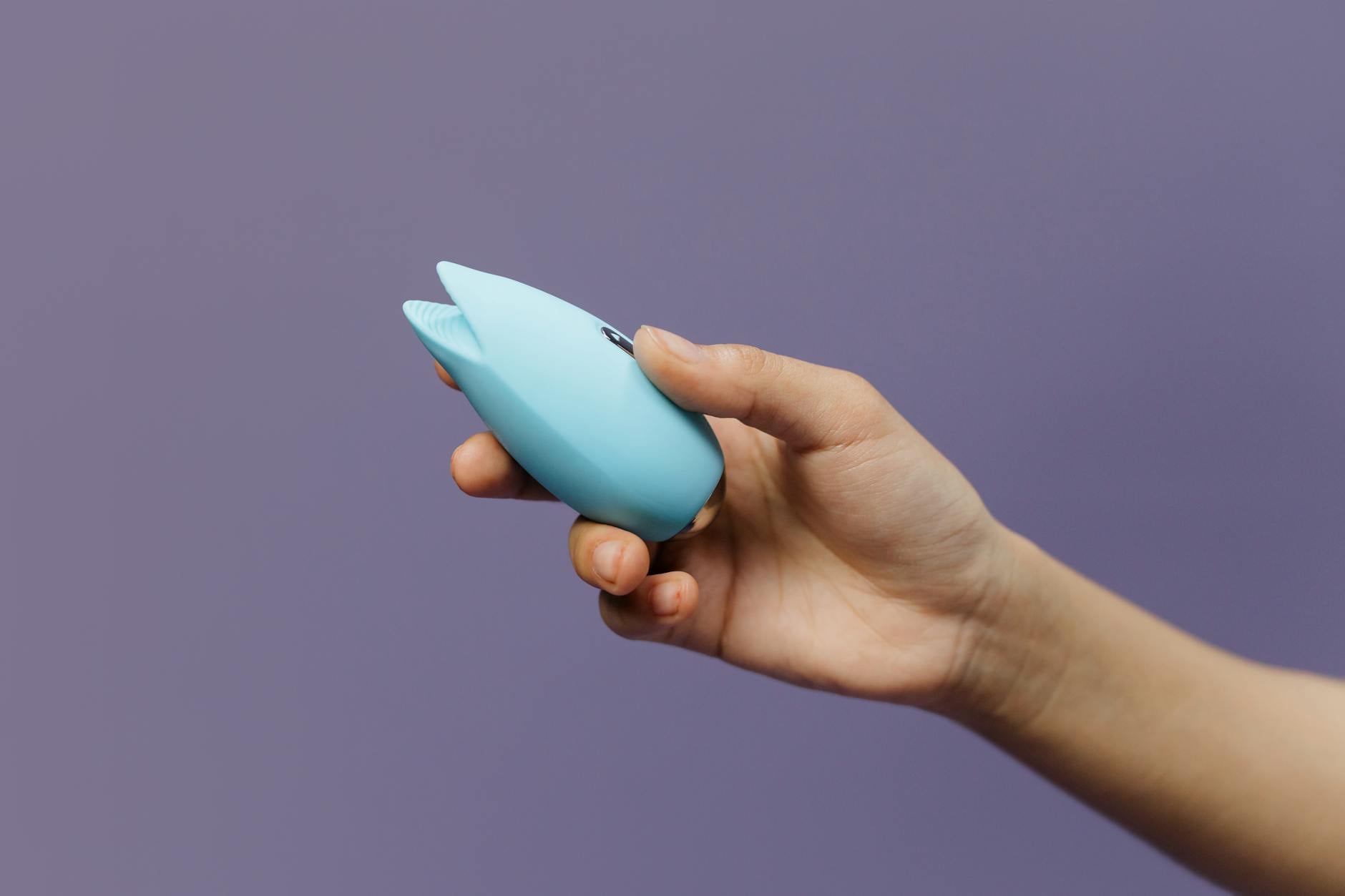
I work with couples weekly where one partner says "I just don't want sex anymore," and what they actually mean is "I'm exhausted, I don't feel seen, and I've stopped paying attention to my own body." Those are fixable problems. And lemon clitoral vibrators, in particular, can be a surprisingly effective entry point for rediscovering what's still there.
Why midlife desire works differently
Three layers are changing simultaneously, and understanding them is the first step to rebuilding.
Hormonal shifts. Perimenopause begins as early as the mid-30s. Testosterone drops gradually in everyone with ovaries, and testosterone is directly tied to responsive desire (the kind where you're actively thinking about sex). Estrogen fluctuates in ways that affect vaginal blood flow and clitoral sensitivity. These are real. They're also not destiny.
Relational fatigue. Long-term partners often fall into patterns where sex becomes predictable, scheduled, or even obligatory. You stop initiating because you already know how it will go. Your partner stops trying new things because past attempts felt rejected. The friction builds silently until desire just... quiets down. That's not lost attraction. That's learned helplessness.
Mental load. Midlife is when the invisible labor of managing everyone's lives hits hardest. You're thinking about work deadlines, aging parents, kids' schedules, household tasks, and what you forgot to buy at the store. Your brain is literally too full for arousal. Arousal requires mental space, and most midlife people don't have it.
All three of these are addressable. And that's where a tool like a lemon vibrator enters the picture.
How lemon vibrators work differently for midlife bodies
Lemon clitoral vibrators use suction and air-pulse technology rather than traditional buzzing vibration. For midlife bodies with hormonal changes, this matters more than you'd think.
When hormonal shifts thin the clitoral tissue and reduce natural lubrication, traditional vibrators can feel intense or even painful. The repeated friction is too much. A lemon sucker works differently. It creates a gentle seal and uses rhythmic suction to stimulate the clitoral nerve endings without the same mechanical friction. You get powerful sensation without the discomfort. That alone can make the difference between "I can't orgasm anymore" and "Oh, there I am."
Midlife also brings a shift in what kind of stimulation actually works. You might find that your body needs different patterns, longer warm-up time, or a completely different approach than what worked at 25. Because lemon vibrators offer multiple patterns and intensity levels, you can experiment without the awkwardness of "Can we try something different?" with a partner. You can explore solo first, find what works, and then bring that knowledge into partnered sex.
The solo exploration piece is bigger than you think
Here's something I tell every client: you cannot reconnect to desire if you're only experiencing it in the context of someone else's arousal.
Midlife often means you've spent two decades or more calibrating your pleasure around a partner. You've learned their patterns, their timing, their preferences. You might not even know what you actually want anymore. A lemon clitoral vibrator, used solo, lets you remember. It gives you permission to explore without performance pressure.
Spend 20 minutes with a lemon vibrator and pay attention to what patterns actually feel good. Notice which intensity levels make you curious versus which ones feel overwhelming. Feel your pelvic floor relax as you warm up. Let yourself be selfish about your own pleasure, completely divorced from anyone else's experience. That information is gold. When you know what you need, you can ask for it. And that asking, that clarity, often reignites desire in partnered sex too.
Using lemon sexual toys to rebuild connection with a partner
If low desire is also a couples issue, the lemon vibrator can be a bridge.
Most midlife couples don't fail because they stop loving each other. They fail because they stop communicating about sex specifically, and shame builds around that silence. One partner shuts down desire as a way to avoid the conversation. The other partner interprets that shutdown as rejection and pulls back. The gap widens.
Introducing a lemon clitoral vibrator into partnered sex can actually reset that dynamic. It's novel enough to feel exciting again. It's low-stakes enough that you can introduce it without a big production. And practically speaking, if you struggle with orgasm or if your body needs different stimulation than your partner can provide, a lemon sucker lets you actually experience pleasure during partnered sex instead of faking it or giving up.
Many couples report that using a lemon vibrator together actually opens up conversation. You're both paying attention to what feels good. You're collaborating on your partner's pleasure instead of performing separate scripts. That attention, that collaboration, often translates into more desire overall.
The permission piece
Honestly though, the biggest barrier to rediscovering desire at midlife isn't biological. It's permission.
Midlife women especially have absorbed decades of messaging that says desire is supposed to decrease. You're supposed to become less sexual, less interesting, less relevant. Your pleasure is supposed to matter less. That messaging is everywhere, and most people don't even realize they believe it until they start paying attention.
Using a lemon vibrator is a small act of rebellion against that. It says: my pleasure still matters. My body still deserves attention. I'm not done yet. That permission, once you give it to yourself, often cascades into other areas. You start taking other things for yourself too. You start asking for what you need. You stop shrinking.
That's why lemon adult toys aren't really just about the orgasm. They're about reclaiming agency over your own body during a season of life when everything else is demanding pieces of you.
When to involve a professional
If desire has completely disappeared and you've been consistent with solo exploration for a few weeks, that's worth discussing with a therapist or couples counselor.
Low desire at midlife is often a symptom of depression, unresolved relationship issues, or hormonal imbalances that need proper diagnosis. A therapist can help you untangle what's biological, what's relational, and what's about your own needs being ignored for too long. Sometimes you need all three: a lemon clitoral vibrator, a therapist, and a conversation with your partner about what's actually happening beneath the surface.
If pain or numbness accompanies low desire, check with your doctor. That's a different conversation than desire itself, and it's worth getting clarity on.
Building a sustainable practice
Desire at midlife isn't something you fix once and forget. It's something you tend to, like anything else that matters.
I recommend most midlife clients set aside 15 to 20 minutes weekly for solo exploration. Nothing scheduled or performance-based. Just time to check in with your body, notice what feels good, experiment with patterns. A lemon vibrator is ideal for this because it's intuitive and the suction technology means you can vary sensation without a lot of adjustment. Over weeks, you'll notice your body becomes more responsive. Arousal builds faster. Orgasms feel different, often deeper. That's not magic. That's what happens when you actually pay attention to your own pleasure again.
Partnered sex often follows. Once you know what you need, once you give yourself permission to want it, that changes everything. Your partner feels your engagement returning. They respond to your confidence. The sex becomes collaborative again instead of obligatory. And midlife desire, when you actually tend to it, often becomes richer and more satisfying than it was when you were younger and running on pure biology.
People also ask
Can lemon vibrators help if hormonal birth control is killing my desire?
Yes, in a specific way. Hormonal birth control lowers testosterone and can muffle arousal signals. A lemon clitoral vibrator can help you build sensation even when the biological signal is quieter. If you've been on the same birth control for years and desire has tanked, it's also worth talking to your doctor about switching methods. Sometimes changing from pills to an IUD or vice versa completely resets desire. The vibrator helps in the meantime, but the root cause might need medical attention.
What if my partner feels threatened by me using a lemon vibrator?
That's worth a real conversation, not avoidance. Often, a partner's defensiveness about vibrators comes from insecurity about whether they're "enough." A lemon vibrator isn't about them not being enough. It's about exploring sensation in a way your body might need. Many couples find that once they talk about what the vibrator actually is (a tool, not a replacement), the resistance softens. If it doesn't, that might be a sign that larger relationship patterns need attention, and a couples therapist can help.
How long does it usually take for solo lemon vibrator use to rebuild desire?
Most people notice a shift within 2 to 4 weeks of consistent exploration. That doesn't mean every session is amazing. Some sessions feel flat. Some feel revelatory. The key is consistency, not intensity. Your body is remembering that pleasure is possible. That remembering often reignites curiosity about partnered sex too. But be patient with the timeline. Midlife desire isn't fragile, but it does need tending.
Can a lemon vibrator help if I'm on antidepressants and my libido is gone?
Partially. Antidepressants genuinely suppress desire for many people, and a vibrator can't override that. But it can help you maintain connection to your body and keep sensation alive while you're on medication. If you've been on the same dose for a while and desire hasn't returned, talk to your prescriber about switching medications or adjusting timing. Some people take their dose at night to reduce daytime sexual side effects. Others find a different antidepressant class works better for them. A lemon vibrator keeps you in the game while you figure out the medication piece.
What if I've lost sensation down there and vibrators don't seem to work?
That often indicates nerve damage or significant hormonal change that needs medical evaluation. See a gynecologist or menopause specialist. In the meantime, the sensory experience of using a lemon vibrator can sometimes help rewaken pathways, even if orgasm isn't happening yet. Don't give up on sensation after one attempt. Sometimes it takes patience and consistent exploration to feel the effects. But if sensation loss is significant, you need professional guidance.
Is low desire normal at midlife, or should I be worried?
Low desire at midlife is common. That doesn't make it inevitable or permanent. It usually means something has shifted. Hormones, stress, relationship patterns, or your own neglect of self-care. The good news is that once you identify what's shifted, you can address it. A lemon vibrator is one tool in that process. Therapy, partner conversations, and medical evaluation are often part of it too. Worried becomes productive when you take action.
The midlife desire is still there, waiting
Your desire hasn't disappeared. It's been buried under stress, hormones, relationship friction, and the message that your pleasure matters less now than it did before. A lemon clitoral vibrator can help you excavate it. But the real work is giving yourself permission to want again, to explore, to take your own pleasure seriously enough to invest time and attention in it.
Midlife isn't the end of desire. For many people, it's the beginning of actually honest desire. When you stop performing and start asking for what you actually need, when you reconnect to your body with real curiosity instead of obligation, desire doesn't return. It transforms into something deeper and more satisfying than it was before.
If you want to explore this more deeply, whether solo or with a partner, reach out. That's what I'm here for.